Marital dispute laws pushing couples towards live-ins? Maharashtra UCC panel asks public
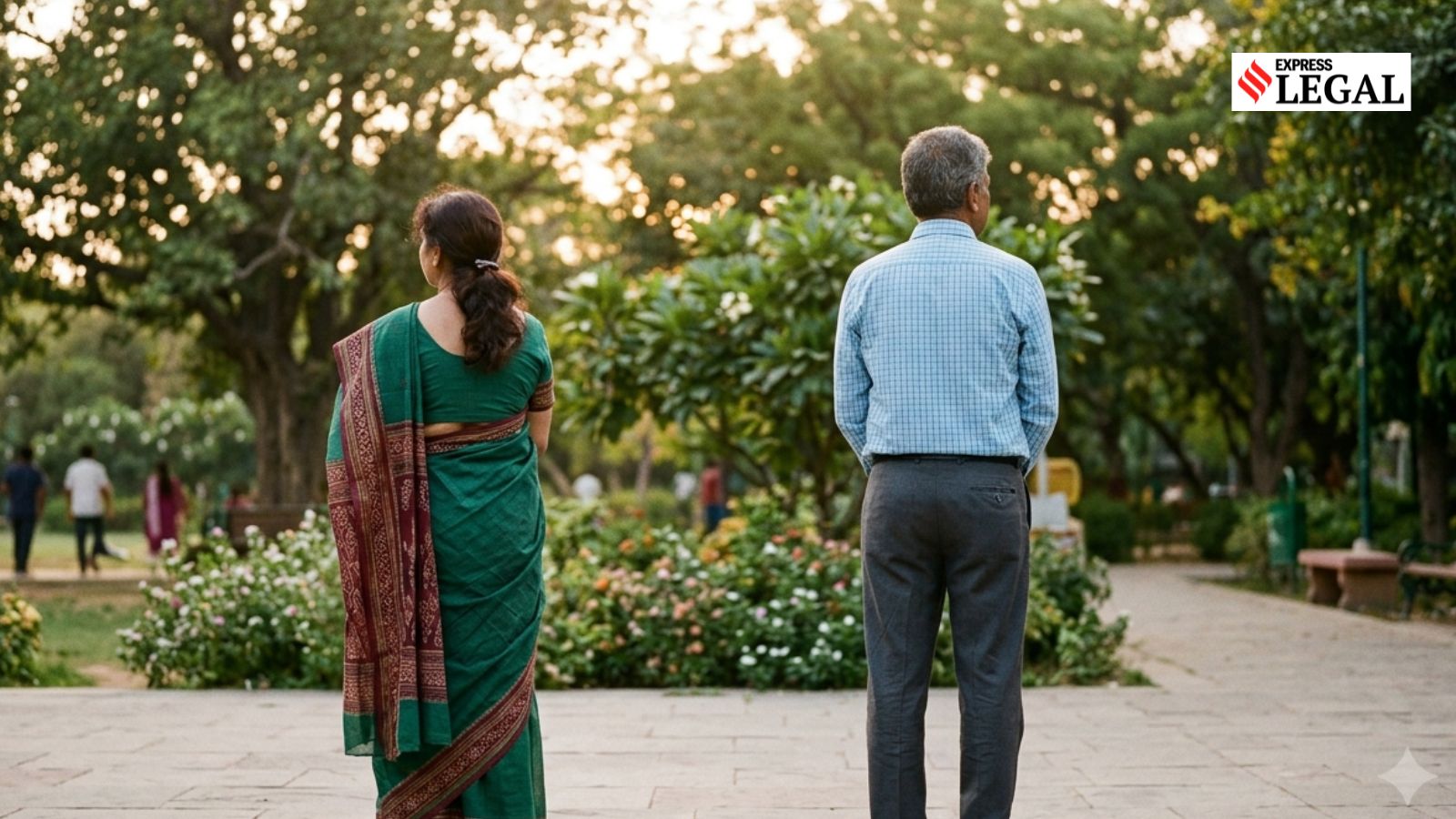
Should live-in relationships be compulsorily registered? Are existing laws governing marital disputes so cumbersome that couples are choosing live-in relationships over marriage? Should men and women have equal inheritance rights across all communities?
These are among the 37 questions the Maharashtra government-appointed committee on the Uniform Civil Code (UCC) has put to the public, seeking feedback on a proposed common framework for personal laws governing marriage, divorce, inheritance and other civil matters.
The committee launched its website on Thursday, inviting citizens to submit feedback by November 15. The questionnaire covers issues ranging from the minimum marriage age and divorce procedures to the rights of partners and children in live-in relationships.
On marriage, respondents are asked to choose a minimum age from 18, 21, 24 and 27 years. The questionnaire also asks whether a person should be allowed to marry while already married, whether customary practices and religious ceremonies should be preserved, and whether a uniform list of prohibited relationships should govern whom people can marry.
The panel has also sought views on a common system for registering marriages, divorces and live-in relationships.
On live-in relationships, respondents are asked whether entering into and ending such relationships should require registration, and whether the law should protect partners’ rights, including women’s claims to maintenance and inheritance if abandoned. The questionnaire also asks whether children born to couples in live-in relationships should have inheritance rights and be entitled to care and maintenance from their parents.
On children, the panel seeks views on a uniform law governing the maintenance of dependent children across religions and whether their welfare and best interests should be the primary consideration in custody disputes.
Story continues below this ad
The questions on divorce include whether all communities should follow common grounds and procedures, whether the grounds should be the same for men and women, and whether the UCC should prohibit extra-judicial divorce.
On inheritance, respondents are asked whether men and women should have equal rights across communities, whether uniform rules should govern succession when a person dies without a valid will, and whether individuals should be free to bequeath their entire property through a will.
The questionnaire also asks whether respondents support implementing a UCC in Maharashtra, whether it can be introduced without infringing on the right to freedom of religion, and whether it would reduce legal disputes and make legal processes more efficient. Respondents can answer yes, no or no comment.
A second section invites written suggestions on the areas the UCC should cover, problems respondents have faced in personal civil matters, inheritance of agricultural and ancestral land, and existing family laws that should be modified or scrapped.
Story continues below this ad
Individuals and organisations can submit suggestions. Individuals may optionally disclose their religion, caste category and gender. Organisations are asked to identify their area of work, with categories including child welfare, education, human rights and senior citizen welfare.
The committee has also said it will organise public consultations on different aspects of the proposed code.
Formed in July, the committee, headed by former Supreme Court judge Justice Ranjana Desai, has six months to submit a report with a draft and recommendations for implementing the UCC in Maharashtra. Desai has also headed UCC panels in Uttarakhand, Madhya Pradesh and Gujarat. Uttarakhand became the first state to implement a UCC in January 2025. Gujarat, Assam and Madhya Pradesh have passed UCC Bills, but the laws are awaiting final approval from the President.
The panel faced an internal setback on September 19 when retired Bombay High Court judge Justice R C Chavan resigned after two meetings, citing differences over public feedback and questioning the presence of retired IAS officer Shatrughna Singh, then an adviser, at a meeting. Two days later, the state appointed Singh as a member-cum-senior adviser.
KioskNews shows a cleaned-up reading view extracted from the publisher’s page — the original always lives on their site, not ours.