‘Nepo baby’ uproar in Philippines after Gen Z jet-setter named urban poor commissioner
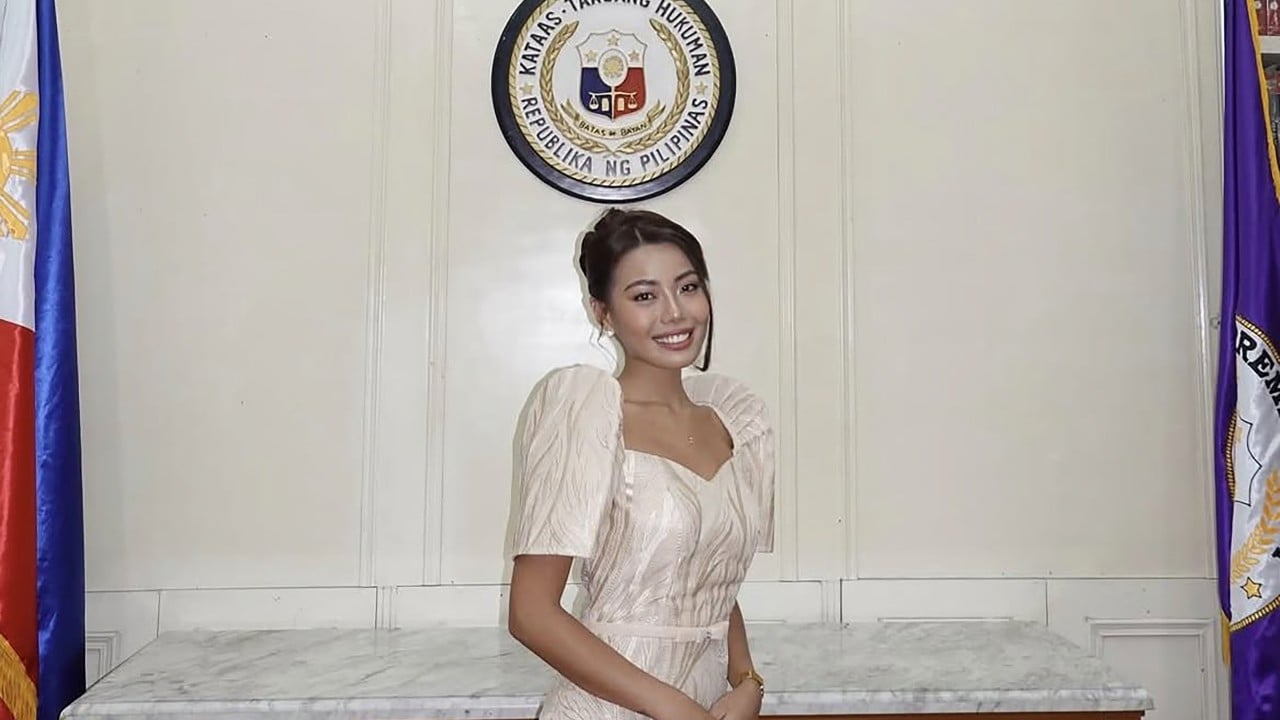
A Gen Z jet-setter in the Philippines has been named commissioner for the urban poor, raising eyebrows over her qualifications for a position dealing with issues such as food and housing insecurity.
Zofia Canlas took her oath as commissioner for the Presidential Commission for the Urban Poor (PCUP) on Monday, but drew widespread attention for social media photos depicting a fashion-forward lifestyle and lavish getaways, such as posing in front of the Eiffel Tower in Paris, and other trips around Europe and the United States.
Canlas, 27, graduated from De La Salle University Manila with a medical biology degree in 2024. She ran as a nominee for the Batang Quiapo party-list in the 2025 midterm elections but lost, before becoming chief of staff at the PCUP in July that year.
She is the daughter of Jose Marcell Canlas, who reportedly serves as an assistant secretary under the Office of the Executive Secretary, according to the Office of the President’s website.
The appointment has raised questions about Canlas’ credentials for a role that champions the rights and welfare of the urban poor and pays an annual salary of 2 million pesos (US$31,580).

“You graduated with a degree in biology in 2024, and now you are the face of an agency that serves as the voice of those being driven out of their homes. Meanwhile, community leaders who have been devoured by demolitions for decades cannot even be given a seat in the waiting area,” said political youth group Akbayan Youth.
The group pointed out the irony of Canlas’ feed filled with trips to Italy, Spain and France, while urban poor families struggled in relocations to areas without water and power.
“We do not accept a new nepo baby. Not now, not tomorrow, and not ever, especially for the seat of the genuine poor,” the group said.
This Week in Asia has reached out to the PCUP to contact Canlas. Her social media pages have been unavailable since Tuesday.
President Ferdinand Marcos Jnr’s administration on Tuesday defended Canlas’ appointment, saying her age and background would not hinder her role.
“The president has always emphasised this: regardless of your status in life, whether you are rich or poor, if you can work and serve the country, that is the No 1 priority for the president – to have someone sincere and dedicated to serving the nation,” said palace press officer Claire Castro.
Canlas had been with the PCUP “for a long time” as chief of staff since 2025, making her no stranger to the agency, Castro added.
“She has been with the [commission] for quite some time; perhaps you just haven’t noticed. So she is already familiar with the agency’s mandate.”
Castro said judging how Canlas would perform in her new role was difficult since she had not yet been seen working.
“Let us see first, and if she commits a mistake then that is when we criticise,” Castro said.
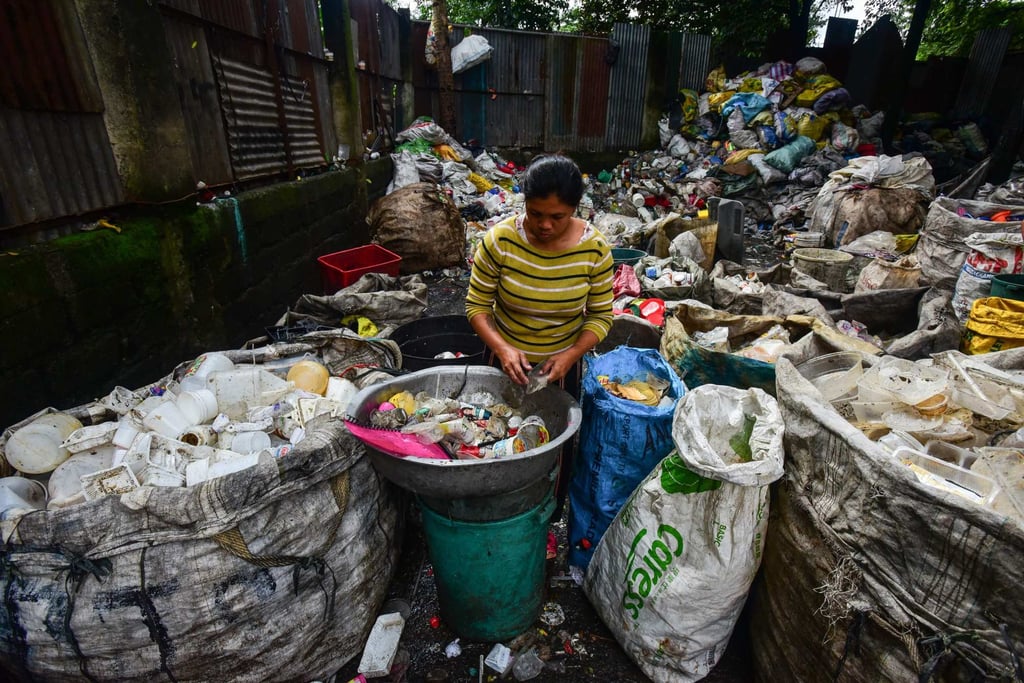
The PCUP often intervenes as a direct link between urban poor communities and the national government, especially in terms of policy formulation and programme implementation regarding housing. The agency is also often present when informal settlers are evicted from public land.
Castro also said Canlas did not need a law degree to be qualified for the role.
“Removing someone from office, filing a case, and handling a case require a lawyer. But negotiating on behalf of our fellow Filipinos who belong to the marginalised sectors of society does not require a lawyer. What is needed is dedication and a genuine commitment to one’s work,” Castro said.
Nathaniel Candelaria, assistant professor in the University of the Philippines Diliman’s political science department, told This Week in Asia there were several factors behind the public’s concern.
“Apart from the lavish lifestyle projected online, connections play a role in this,” Candelaria said, noting that Canlas’ appointment could have given the impression that one could “simply bypass hard work” while others had to sit for a civil service examination to qualify, thereby sparking public outrage.
Candelaria said it was important to hire the right people for an urban poor commission “since they will help steer the government’s actions to address poverty”.
While young people such as Canlas could contribute to society, the commissioner position “requires certain skill sets which people with more experience can perform better”, Candelaria said.
These include an understanding of political and economic forces that shape urban poor conditions, as well as a sense of humility and empathy, according to him.
The appointment process must also be meritocratic, Candelaria said.
“Not recognising merit in political appointments will definitely be noticed by the people. Given how unpopular the current administration is, people will definitely scrutinise every political appointment, including this one,” he said.
KioskNews shows a cleaned-up reading view extracted from the publisher’s page — the original always lives on their site, not ours.