KNUST AI coordinator urges churches to embrace digital technology to reach younger generations
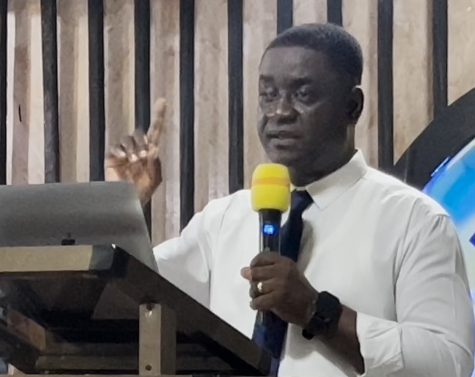
Artificial Intelligence Coordinator at the Kwame Nkrumah University of Science and Technology (KNUST), Professor Eric Appau Asante, has urged churches to embrace emerging technologies to better serve younger and future generations.
According to him, the rapid development of artificial intelligence and other digital technologies presents opportunities for the church to strengthen its ministry, improve access to information, and respond to changing patterns of engagement.
Speaking at the Christian Home Week of the KNUST Local Council of Churches at the Assemblies of God International on September 22, Professor Asante said artificial intelligence could assist ministers in preparing sermons by helping them review their scripts and identify errors before delivery.
“AI can help in ensuring that the script that you have prepared is less of errors,” he said.
He said the benefits of digital technology in the church extend beyond artificial intelligence, pointing to digital Bibles, theological databases and electronic libraries as resources that can support ministers in their work.
Professor Asante also urged providers of Christian literature to consider making their publications available in electronic formats alongside physical copies.
He said this would help ensure that younger generations who increasingly engage with digital platforms are not cut off from Christian literature and other useful resources.
“This is not to say, don’t buy physical books, but it is also to say that those who are offering books must think of the e-versions,” he said.
“If you are offering only physical books, then gradually it means that you are going to cut a generation who would not benefit from the content of what you are offering,” he added.
He said artificial intelligence could support sermon preparation but should not take the place of prayer, biblical interpretation, or a preacher’s understanding of the congregation and its context.
“So whilst we have said that it can support your sermon preparation, we are also saying that it cannot replace your prayer, it cannot replace your biblical interpretation or even the preacher's knowledge of the congregation and the context,” he said.
Professor Asante’s call for greater use of technology also comes with an emphasis on ethical and spiritual discernment. He said as churches adopt AI and other digital tools to organise ideas and develop learning activities that support ministry, care must be taken over how such technologies are used.
He stressed that not everything that happens during a church service should automatically be recorded or shared online.
“Not everything happening in a service belongs to the internet,” he said.
Professor Asante cautioned against the indiscriminate recording and sharing of sensitive moments during church services, particularly when congregants become emotional during ministration.
He also pointed to counselling sessions and the sharing of prayer needs as situations that can involve personal and sensitive information and therefore require discretion when cameras are present.
The recording of deliverance sessions was another concern he raised, particularly where cameras are used to capture individuals closely during sensitive moments.
He said churches and those responsible for streaming services should consider the privacy and dignity of individuals before deciding what should be recorded and broadcast.
DISCLAIMER: The Views, Comments, Opinions, Contributions and Statements made by Readers and Contributors on this platform do not necessarily represent the views or policy of Multimedia Group Limited.
Tags:
DISCLAIMER: The Views, Comments, Opinions, Contributions and Statements made by Readers and Contributors on this platform do not necessarily represent the views or policy of Multimedia Group Limited.
KioskNews shows a cleaned-up reading view extracted from the publisher’s page — the original always lives on their site, not ours.