President Ruto signs law outlawing traditional settlements of sexual offences
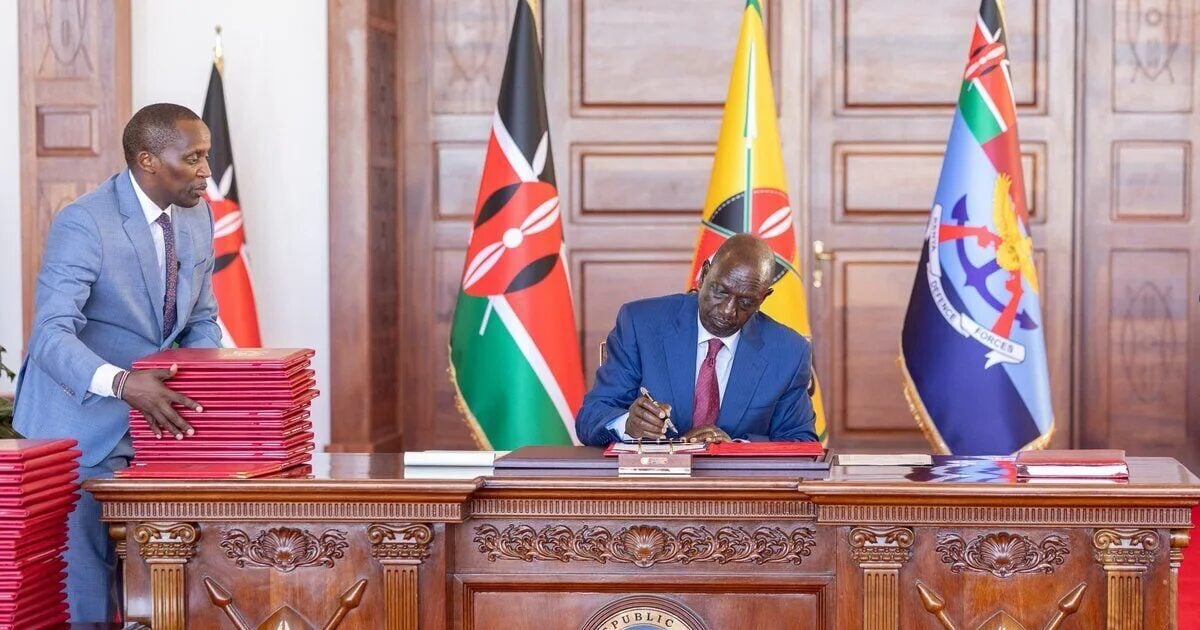
NAIROBI, Kenya, Nov 26 – President William Ruto has signed into law legislation barring the use of traditional dispute resolution mechanisms to settle sexual offence cases, requiring such cases to be handled through the formal court system.
The new law invalidates agreements reached outside the judicial process, including settlements through traditional practices such as maslaha, amid concerns that informal arrangements allow perpetrators to escape prosecution while victims are denied justice.
The Sexual Offences (Amendment) Act, 2025, sponsored by Garissa County Woman Representative Udgoon Siyad Kuno, also requires sexual offence cases to be heard on a day-to-day basis and concluded within six months from the date a plea is recorded.
The legislation further prohibits the withdrawal of sexual offence complaints through coercion, intimidation or inducement of victims, while barring courts from discontinuing proceedings solely because parties have reached an out-of-court settlement.
The law follows concerns that traditional dispute resolution arrangements have been used to resolve serious criminal offences, including rape and defilement, outside the formal justice system.
During the presentation of the Bill at State House, government officials said the measure was intended to prevent perpetrators from evading accountability through informal settlements.
“Things like maslaha, which are largely practised in part of Kenya, are now outlawed,” an official said while explaining the legislation to the President.
He added that the Director of Public Prosecutions would not be able to withdraw sexual offence cases on the basis that parties had reached an agreement through traditional dispute resolution.
The National Council on the Administration of Justice (NCAJ), chaired by the Chief Justice, backed the legislation, arguing that alternative dispute resolution in sexual offence cases could allow offenders to escape justice while exposing victims to further victimization.
Officials said the six-month timeline was intended to address delays in the determination of sexual offence cases, which can prolong the suffering of survivors and undermine access to justice.
The legislation is anchored on the constitutional right to expeditious administration of justice under Article 50 and the provisions governing the administration of justice under Article 159.
The President also assented to the Sexual Offences (Amendment) Bill, 2023, which introduces measures to strengthen public awareness and prevention of sexual offences.
The law requires nationwide public education and awareness campaigns on sexual offences and available legal remedies, while directing the education sector to establish programmes protecting the right to education of survivors, including girls who become pregnant following sexual violence.
The measures seek to ensure that victims are not excluded from education because of sexual violence or its consequences.
President Ruto said the two laws would promote a better understanding of the provisions and limitations of the law and strengthen the country’s response to sexual offences.

Bruhan Makong is a Senior News Reporter for Capital FM in Nairobi, covering diplomacy, foreign policy, national security, climate, and human rights across East Africa and the wider region.
KioskNews shows a cleaned-up reading view extracted from the publisher’s page — the original always lives on their site, not ours.