Scientists check their work and confirm it with update on iconic black hole image
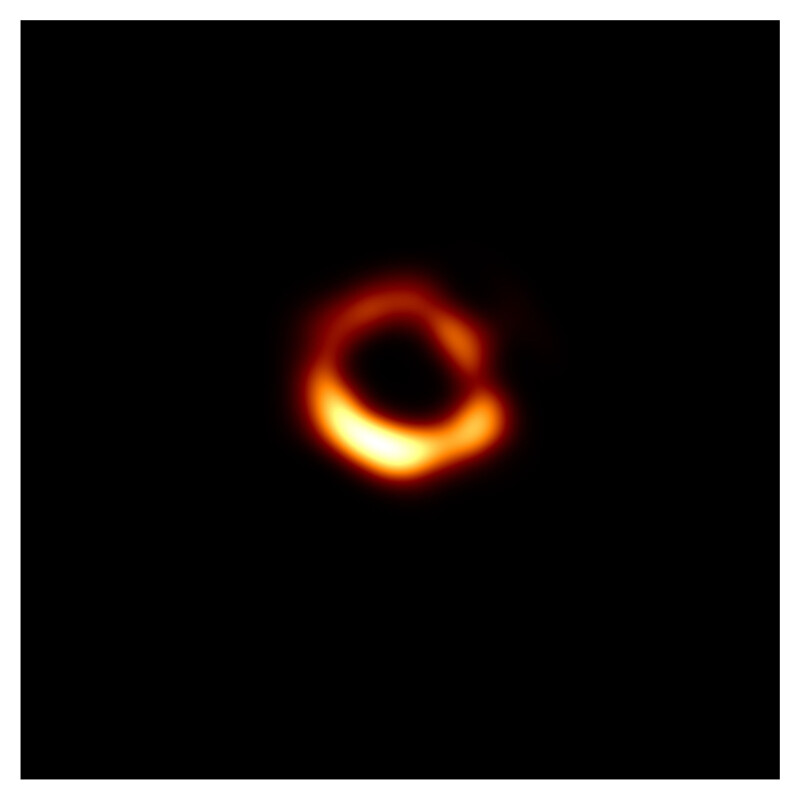
The image of the red ring around the black hole M87, produced by the Event Horizon Telescope (EHT) array, made front-page news around the world in 2019. There was one problem: there was a slim chance the depiction might be wrong.
This week, a small team of four Australian researchers have published their work confirming the result based on a new machine learning algorithm using the same base data.
The 2019 Event Horizon Telescope (EHT) image came from hundreds of scientists working together to capture the first direct view of a black hole's shadow. The measurements were taken at eight telescopes around the world, at locations including Chile, the US, and Antarctica.
REG AD
Reconstructing the image from the data so geographically distant meant instrument and environment errors could influence the accuracy of the resulting image. Potentially, alternative analyses of the data could have reconstructed an image without the iconic ring shape.
REG AD
Samuel Lai – a postdoctoral fellow at the Commonwealth Scientific and Industrial Research Organisation (CSIRO) in Western Australia – and his team created an independent imaging algorithm to process the historic dataset to validate the result. The new approach used closed triplets (using three telescopes for error correction) rather than station pairs in an effort to reduce error.
To the relief of the EHT team, the new image recreated the iconic ring-like image seen in the original, according to a paper published in Nature today.
In a prepared statement, Lai said taking pictures of black holes was not easy. "It is like standing in your backyard and trying to take a photo of a doughnut on the Moon," he said.
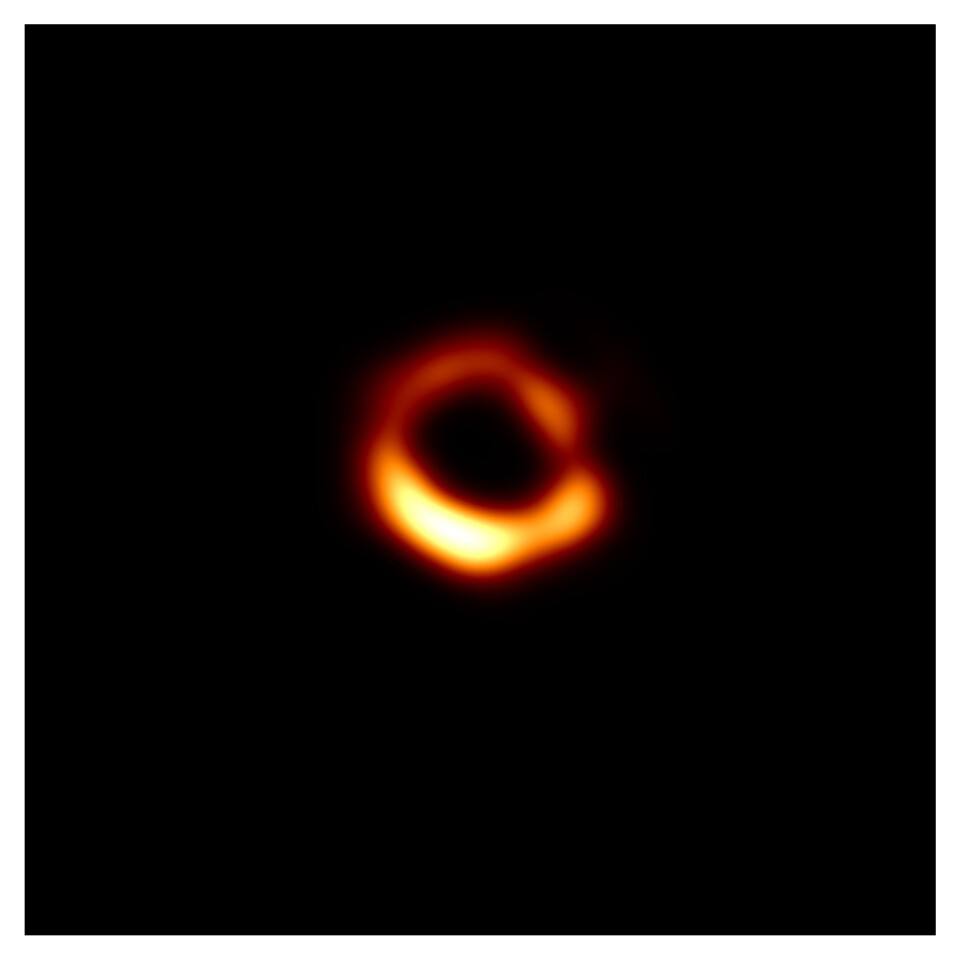
He explained that when his team applied new advanced machine learning and artificial intelligence techniques to the original Event Horizon Telescope dataset, they found a black hole almost identical in size and shape to the historic EHT image.
"Importantly, our model had no idea what a black hole looked like when we applied it to the M87 data. This is the first truly independent validation of the EHT image, an important step in the scientific process," he said.
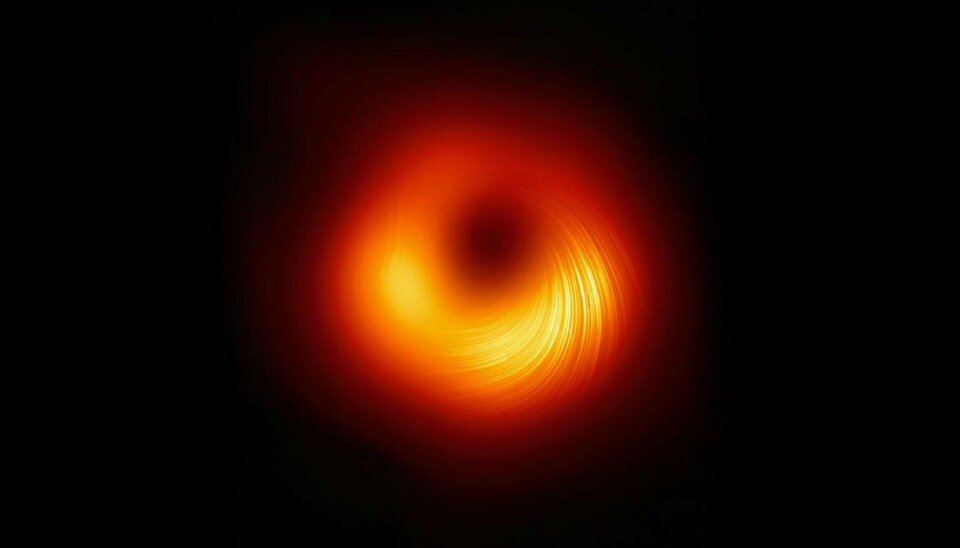
Event Horizon Telescope director Laurent Loinard welcomed the new study. "It is extremely gratifying to see that an elegant, entirely independent method recovers the ring structure of M87 across several years, in excellent agreement with the EHT Collaboration's published results," he said. ®
KioskNews shows a cleaned-up reading view extracted from the publisher’s page — the original always lives on their site, not ours.