India, China commanders meet again to try and calm Arunachal frontier
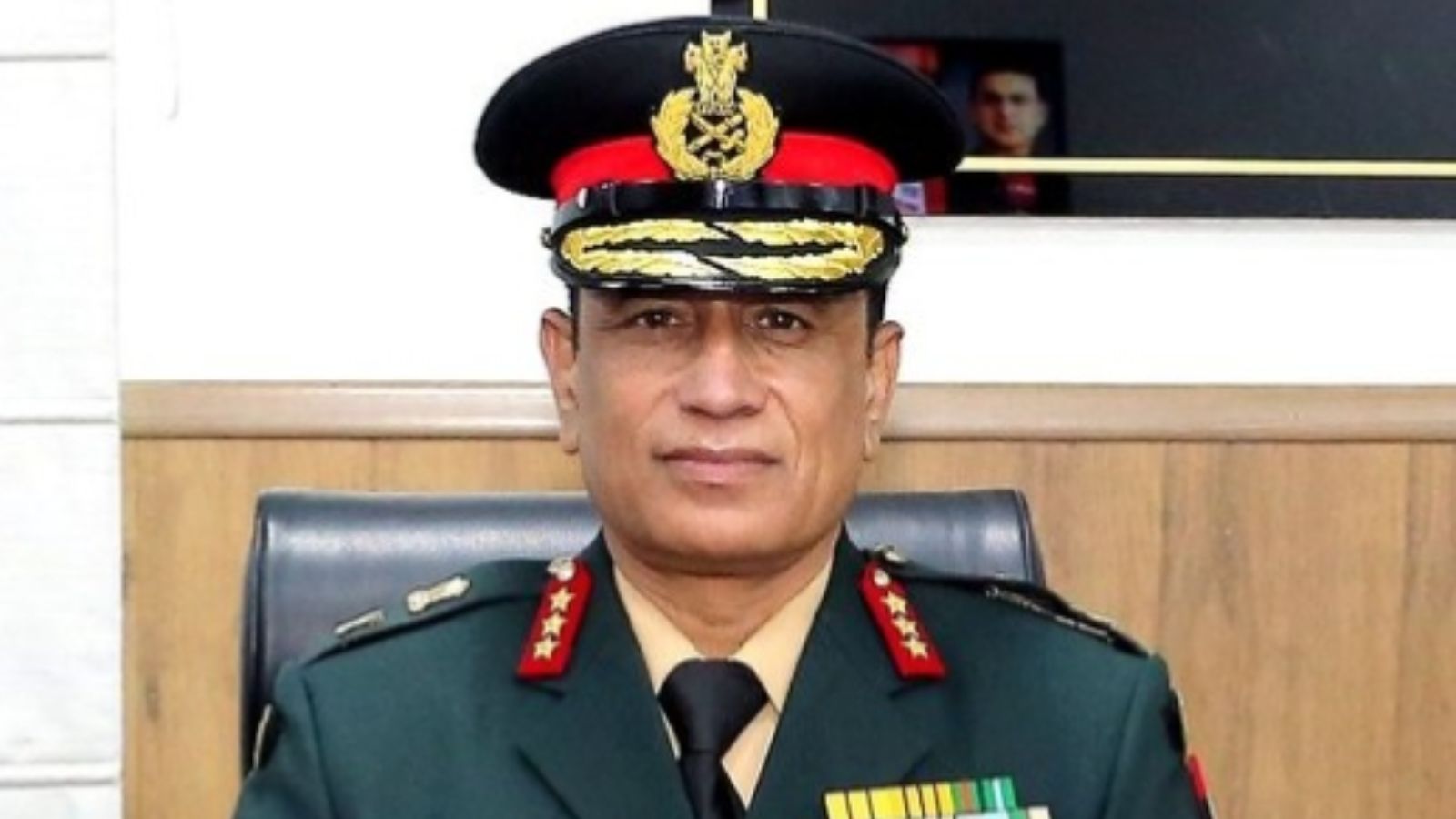
India and China have concluded a second round of Corps Commander-level talks to resolve tensions along the frontier in Arunachal Pradesh before winter sets in fully, The Indian Express has learnt.
The closely guarded talks, which began immediately after Diwali on November 8, continued for nearly 10 days with a short break in between.
Lt General Girish Kalia, General Officer Commanding of the Army’s III Corps — also called the Spear Corps, it has its headquarters at Rangapahar near Dimapur in Nagaland — held talks with his Chinese counterpart and other officers. An official from the Ministry of External Affairs was also present.
The talks were said to be cordial. There is no clarity yet whether the measures agreed upon will be implemented before winter sets in fully — it is usually severe along the Line of Actual Control, making sustenance and logistics efforts extremely challenging in the area.
This round of talks was held to set engagement rules between the two sides, avoid friction between troops on the ground, ensure open communication lines between both sides and bring down tensions before winter. Both sides have massed troops in large numbers in the area.
India and China held their first Corps Commander-level talks in the eastern sector on September 6-7 this year. That meeting at the Wacha-Damai border meeting point — Wacha is India’s easternmost border personnel meeting point, located in the Kibithoo sector — followed reports of tension in the Taksing area of the Upper Subansiri district.
In August, two weeks before the first round of the military talks, National Security Advisor Ajit Doval and Chinese Foreign Minister Wang Yi, the special representatives for the boundary talks between the two countries, met in Beijing.
Story continues below this ad
In October, days before his retirement at the end of the month, Indo-Tibetan Border Police (ITBP) Director General Shatrujeet Kapur said Indian and Chinese troops had faced off at multiple locations in Arunachal Pradesh.
In response to Kapur’s remarks, the Ministry of External Affairs said the situation along the LAC “gets disturbed from time to time when Chinese forces diverge from established patrolling patterns”. It underlined that “maintenance of peace and tranquility in the border areas is essential for the overall development of bilateral relations”.
Days later, Arunachal Pradesh Chief Minister Pema Khandu said “transgressions” keep happening along the frontier since China does not recognise the McMahon Line.
Agreed upon in 1914 between British India and Tibet, the McMahon Line serves as the de facto boundary between India and China in Arunachal Pradesh. Beijing does not recognise it, saying it was not for Tibet to enter into such an agreement.
Story continues below this ad
Khandu told reporters: “No doubt transgression has happened. It keeps happening. It is nothing new since the border is not defined. The situation is quite normal now and our Armed Forces are guarding the border very well.”
“China doesn’t consider the McMahon Line in Arunachal and since the state shares a very long border with Tibet, China, sometimes patrolling parties transgress. Our soldiers go (to) that side, their patrolling parties also come (to) this side sometimes,” he said.
Earlier, former Chief of Defence Staff Lt Gen Anil Chauhan (retd) said the boundary issue remains unsettled, and differing perceptions of the boundary, infrastructure construction and force multipliers create “the possibility of friction and escalation”, adding that this requires vigilance, credible capabilities, clear agreements and consistent adherence to them.
KioskNews shows a cleaned-up reading view extracted from the publisher’s page — the original always lives on their site, not ours.