‘Zero-cost’ lifestyle: China cash-strapped youth embrace thrifty living for mental relief

A growing number of young people in China are embracing a “zero-cost” lifestyle, seeking out free perks, complimentary gifts, and trial services.
Across mainland social media, tens of thousands of posts share tips on scoring free samples at shopping malls or booking test drives with no intention of buying.
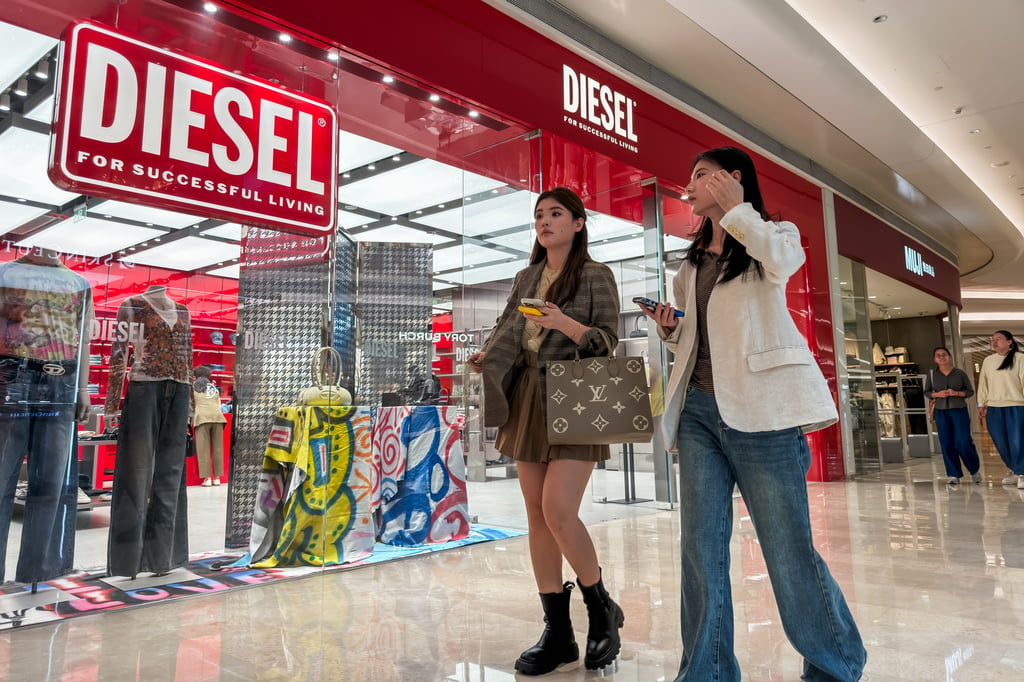
One popular variation is mall-walking, in which budget-conscious shoppers stroll through air-conditioned malls while spending next to nothing.
A classic routine might go like this: grab a 4-yuan (60 US cent) lemonade with friends, pop into variety stores like MINISO to try out gadgets, and browse clothing shops just to try on outfits.
When they start to tire, they head to the food courts for free snacks and promotional souvenirs offered in exchange for online reviews, then end the day with a cheap lottery ticket.
Others turn property viewings into free weekend getaways. Priced out of the housing market, some young people use real estate appointments to explore high-end residential compounds and the surrounding neighbourhoods.
As one online user quipped: “Your friends might flake, but a real property agent will never ghost you. They’ll even pick you up on an e-bike.”
Some luxury sales offices even feature free gyms and art galleries. Agents rarely turn away prospective visitors, as the extra foot traffic helps create a lively atmosphere.
For work-weary young professionals, the experience can double as a form of mental therapy.
“No matter how burnt out or directionless you feel, a real property agent always believes in your future,” one netizen wrote. “How is that not free counselling?”
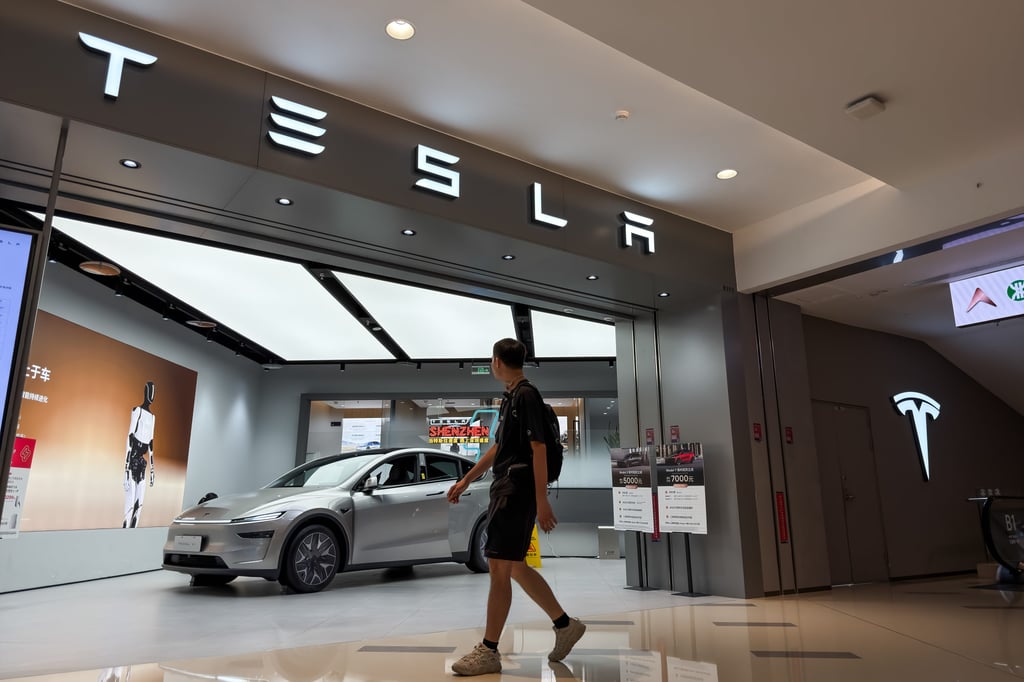
Lately, this philosophy has extended to car showrooms. Dealerships selling domestic EVs have become popular destinations for newly licensed drivers.
Zeekr enters test drivers into raffles for prizes ranging from coffee mugs to the latest iPhone. Li Auto hands out car vacuums, while NIO gives away outdoor camping gear.
One user reported enjoying free coffee, pastries, and fresh salmon at a Xiaomi staff cafeteria after a test drive.
Salespeople often welcome these visits as a way to meet their monthly targets, mainland media outlet Sanlian Lifestyle Laboratory reported.
Lucy, an employee in the internet sector, sees test-driving as a source of emotional relief – a chance to experience panoramic sunroofs and leather seats.
“It feels like a short-term contract with my future self: I will own this one day,” she told the media.
Cultural scholars note that “zero-cost living” can serve as an emotional defence mechanism against economic uncertainty.
As saving money and moving up the economic ladder become more difficult, young people are decoupling consumption from ownership and turning high-end commercial spaces into low-cost leisure destinations.
The trend also reflects real economic pressures. National Bureau of Statistics data shows that the average annual wage for urban private-sector employees stood at 71,590 yuan (US$10,750) last year.
Against a backdrop of fierce workplace competition, relentless overtime, and growing uncertainty in the job market, China’s young people are finding that free happiness might just be the smartest luxury of all, as one online observer noted.
KioskNews shows a cleaned-up reading view extracted from the publisher’s page — the original always lives on their site, not ours.