How Pakistan’s Turkish drone order may push India to step up local production
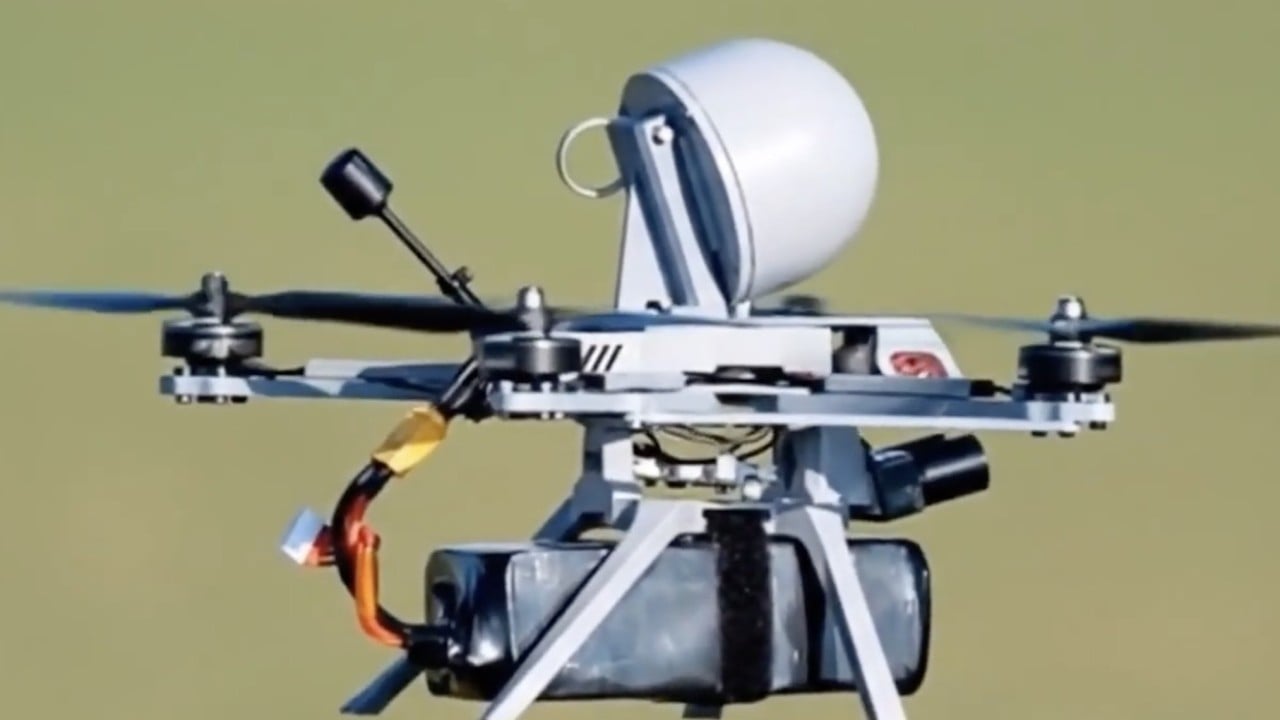
Pakistan’s plan to purchase 100,000 Turkish attack drones is raising concerns in India about the potential threat posed by mass waves of drones in a conflict amid its South Asian rival’s expanding ties with its fellow Mecca Defence Alliance members, Turkey and Saudi Arabia.
The three-year agreement, which will see Pakistan acquire Merkut drones from Turkish defence company Pasific Teknoloji, has highlighted the growing importance of such weapons and the ability to deploy them in large numbers, according to analysts.
Also included in the deal are 10 Alpin unmanned helicopters, 25 Dumrul mini-helicopters, 500 loitering munitions, frequently referred to as suicide drones, and 250 Korgan autonomous drone stations, according to reports by Istanbul-based defence news platform ULU Savunma and Indian media outlets.
The order is the first major defence procurement tied to the Mecca Defence Alliance, which Pakistan, Turkey and Saudi Arabia signed in August this year.
“This Merkut deal is among the first concrete illustrations of how the Mecca Pact’s defence industrial language is being operationalised, placing Turkish production capacity directly on Pakistani soil and thereby sharpening the conventional toolkit of India’s primary rival,” said Srinivaasan Balakrishnan, an analyst with New Delhi-based think tank Indic Researchers Forum.
Under the Mecca Defence Alliance, an armed attack against any one member is regarded as an attack against all three members. One of the key drivers behind the pact’s signing was the threats from Iran and the Iran-backed Houthis in Yemen.
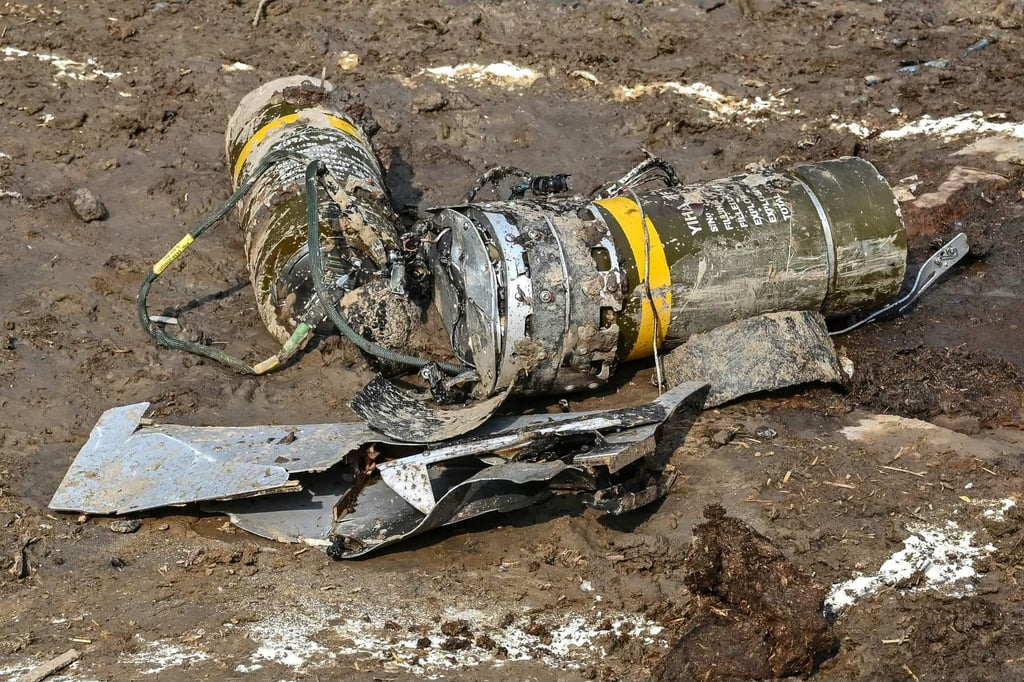
Houthi militants have launched missile and drone attacks targeting locations in Saudi Arabia, including the King Khalid International Airport, a vital East-West oil pipeline and government forces in southern Yemen, amid Iran’s ongoing conflict with the US since late February.
Despite the focus on Middle East security under the pact, Pakistan’s partnerships with Saudi Arabia and Turkey indirectly affect the South Asian balance of power and have pushed India to relook at the region’s security dynamics, according to Balakrishnan.
India and Pakistan deployed drones during their brief conflict in May last year. New Delhi launched attacks against Islamabad following a terrorist attack in Indian-administered Kashmir in April 2025. While India deployed domestically produced loitering munitions and surveillance drones, as well as Israeli-made Harop, Harpy and Heron drones, Islamabad launched Chinese-built, Turkish-built and locally designed drones.
A wave of Indian start-ups had pivoted to or expanded military drone manufacturing after the conflict, and this had to be scaled up following Pakistan’s deal with Turkey, said Rajan Kochhar, a defence analyst.
“The significance of this acquisition lies not simply in the technology but in the numbers. Future warfare will increasingly be shaped by mass employment of relatively inexpensive, expendable and technologically capable drones,” said Kochhar, a retired major general from the Indian army.
Apart from Houthi militants, drones have also been used by Iran against US bases and other facilities in the Middle East and by Russia and Ukraine in their ongoing conflict.
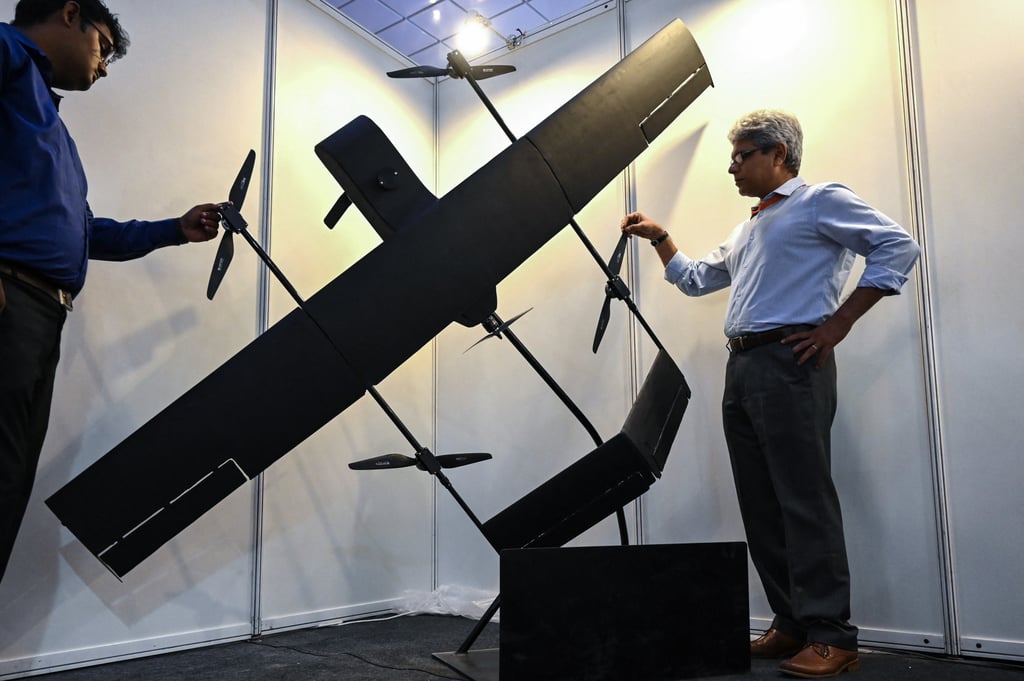
Kochhar said that drones had proven to be effective in conflict zones and evading sophisticated air defence systems.
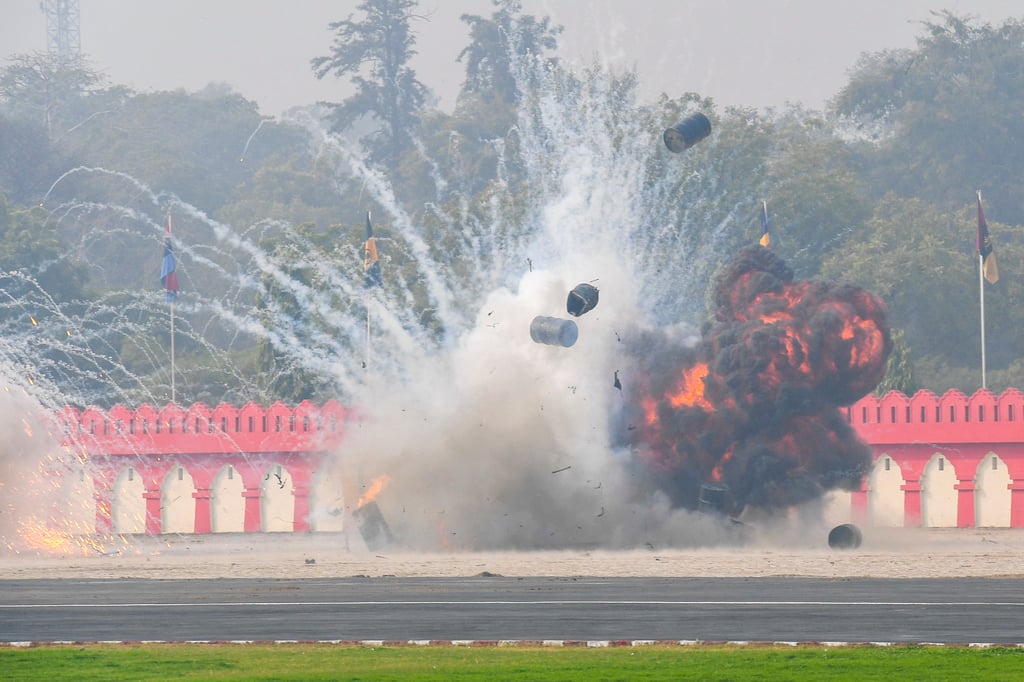
In 2024, India finalised a multibillion-dollar deal to acquire 31 MQ-9B intelligence, surveillance and reconnaissance drones from the US. The Indian army has also begun field trials of the locally made Agniveg kamikaze drones in Rajasthan, with a plan to buy 540 units.
However, Kochhar said such procurement initiatives would not be sufficient to meet India’s defence needs.
“We need a comprehensive national drone manufacturing mission aimed at accelerating production, standardising platforms and creating the capacity for rapid industrial expansion during a crisis,” he said.
In addition, India has to ensure it can manage its drone inventories well, particularly during a conflict, according to Kochhar.
“Sustained operations will demand not only adequate initial stocks but also the ability to replenish drones at short notice. Industrial surge capacity must therefore become an integral component of military preparedness,” he said.
Uday Chandra, a professor of political science at Ashoka University, said that while Israel and the US had assisted India with its drone technology and joint development, Delhi should strive for self-reliance in drone manufacturing.
Drone technologies were changing too rapidly, and India could not afford to wait for external supplies each time it faced a military threat, Chandra said.
“The core test of self-reliance is whether Indian firms can maintain, adapt and sustain these systems at scale,” Chandra said.
KioskNews shows a cleaned-up reading view extracted from the publisher’s page — the original always lives on their site, not ours.