ESPN DeportesYankees con Mcmahon y Rice imponentes, toman ventaja en la serie ante RaysThe Jerusalem PostEight sailors assigned to USS Lincoln attempted suicide, Navy Secretary tells Congress한겨레사격 소승섭, 유도 김혜미…30~40대에 AG 첫 출전 ‘금’보다 값진 도전UOLAlagoas tem disputa de cardeais do antigo e do novo centrão em embate de Lira e Renan CalheirosHong Kong Free PressHong Kong slams EU report claiming ‘deterioration of fundamental freedoms’ in the city中国新闻网(长征胜利90周年)百件作品绘长征 广西美术作品联展回望革命历史PunchSenator facilitates market to boost commerce in Edo communityLenta.ruВ США заявили о готовности расширить торговое соглашение с КитаемMalay MailWoman found dead in Kuala Kangsar home, police arrest two suspects believed to be relativesLa NaciónFuror por Lizzie Borden: las principales diferencias entre la historia real y la serie Monster de NetflixGlobal NewsFrom meat to the saddle: B.C. rancher trains yaks to carry ridersEl ComercioDólar BCV HOY, miércoles 23 de setiembre: Tipo de cambio y tasa oficial en Venezuela
The Daily Newsstand · Free, Always
Thursday, September 24, 2026

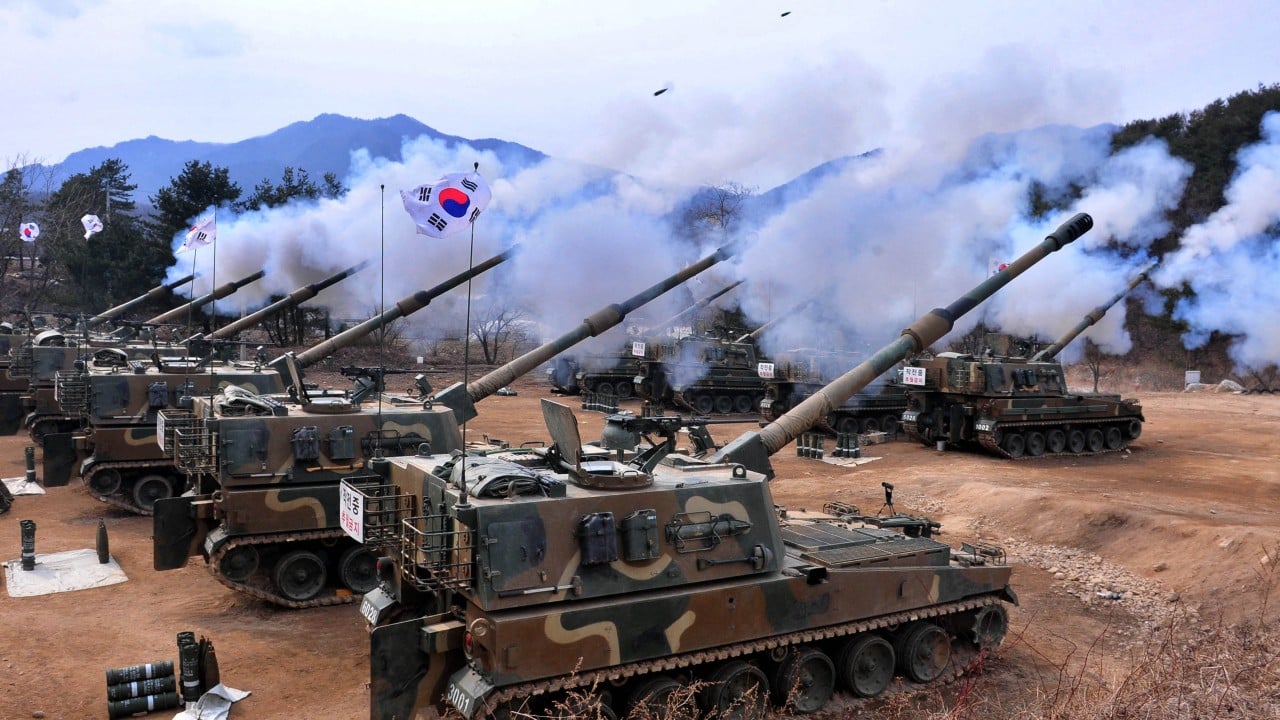
US turns to South Korea to ease ammunition bottlenecks amid global conflicts
Translate

Washington is increasingly turning to South Korea to ease ammunition supply bottlenecks triggered by wars in the Middle East and Europe, potentially accelerating Seoul’s integration into the US defence industrial base.

Analysts say the United States may struggle to replenish stockpiles quickly enough if conflicts in Iran and Ukraine drag on, creating opportunities for South Korea’s defence industry to expand its presence in the US market.

Jang Won-joon, a defence science professor at Jeonbuk National University, said the war with Iran and Russia’s invasion of Ukraine had made Washington acutely aware of shortfalls in its domestic defence production capacity.
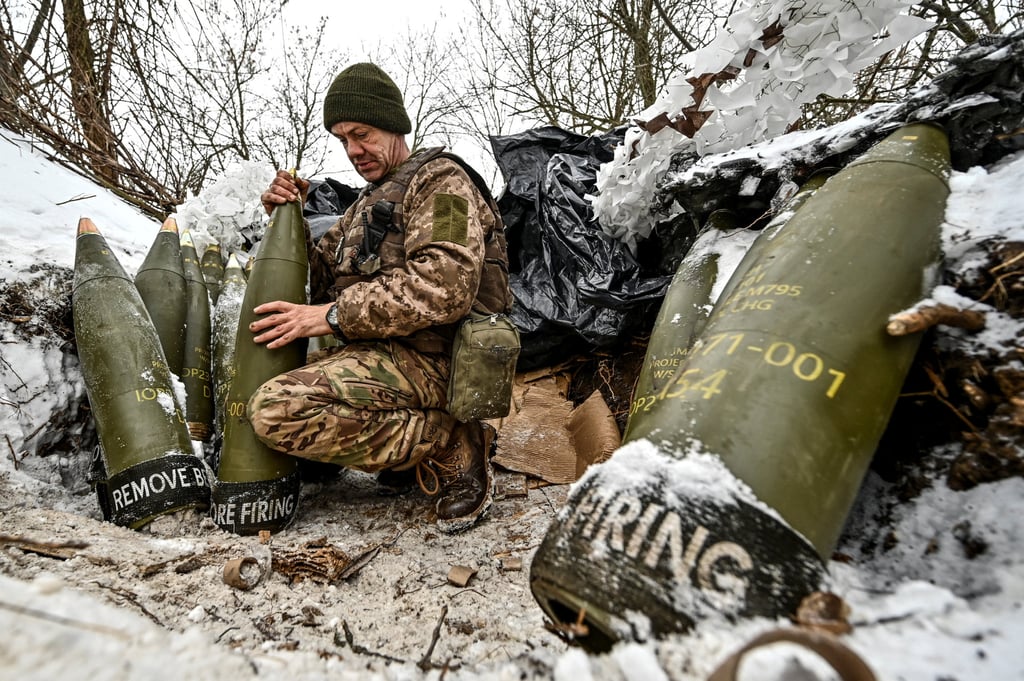
A Ukrainian serviceman prepares 155mm artillery shells at a position near the front line in the Zaporizhzhia region, Ukraine, in January 2024. Photo: Reuters

A Ukrainian serviceman prepares 155mm artillery shells at a position near the front line in the Zaporizhzhia region, Ukraine, in January 2024. Photo: Reuters

The US burned through US$22.3 billion worth of ammunition in just four months of the Iran war, according to the Pentagon, putting its defence industry under scrutiny and exposing what critics call a structural problem.

Washington is now expected to build defence production networks with allies across the Indo-Pacific, including South Korea, Japan and Australia to help close the supply gap.

View the original on South China Morning Post

KioskNews shows a cleaned-up reading view extracted from the publisher’s page — the original always lives on their site, not ours.