Fears of rent rise disaster as majority of landlords plan to sell up
More than half of landlords are considering leaving the sector following Labour’s Autumn Budget, a new survey reveals prompting fears a shortage of homes will spark steep rent rises for tenants already battling record-high costs.
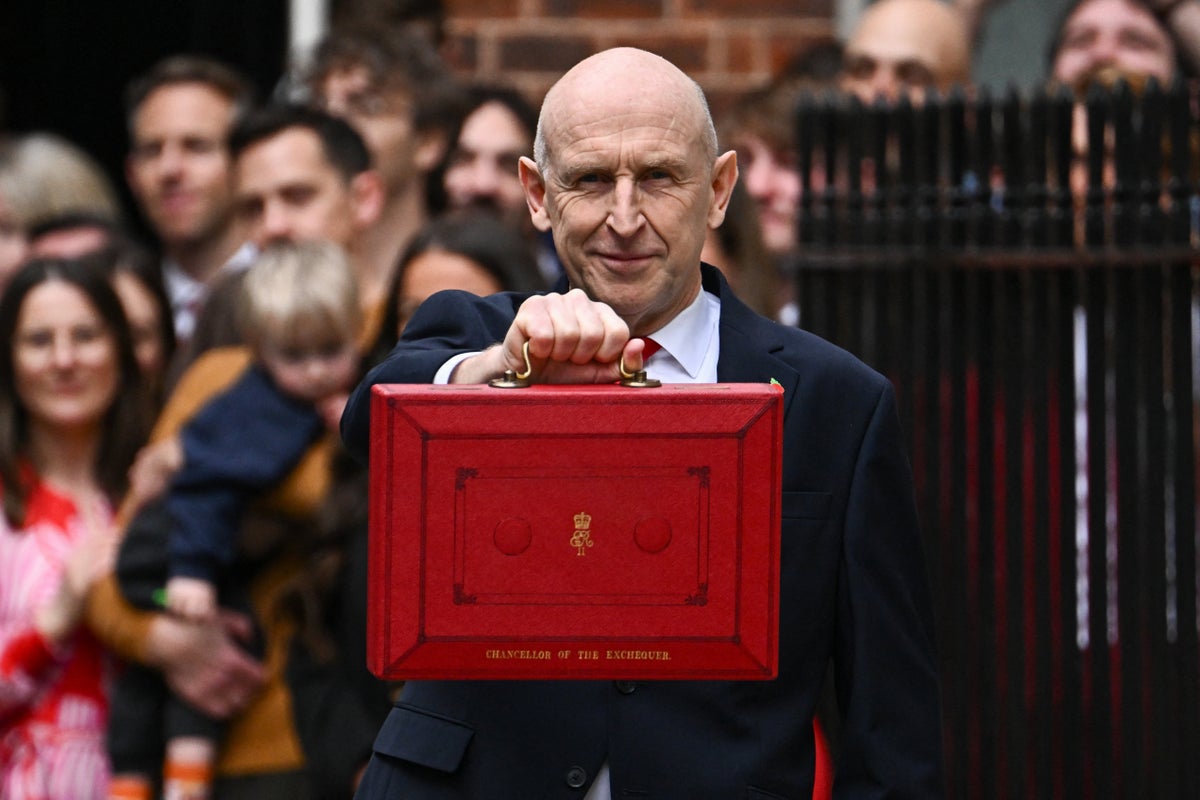
Landlords will begin paying a four per cent surcharge on their rental income from April, after chancellor John Healey doubled a measure already scheduled by his predecessor Rachel Reeves in last year’s Budget.
In a snapshot poll of its members, Propertymark – which represents nearly 20,000 estate agents across the UK – found that 57 per cent of respondents, representing landlords with an estimated 2,860 properties on their books, had received inquires about leaving the private rented sector in the days following the Mr Healey’s tax hike announcement.
Such an exodus could have a serious impact on rent affordability for tenants, experts have warned, with estate agency Savills now predicting a 15 per cent increase in average rental costs to 2031, rising to 16 per cent in London.
That would mark a rise of over £2,500 a year on the average rental costs, and a massive £5,000 a year in the UK capital, based on the latest official data, when rents are already at a record high.
Shadow housing secretary Katie Lam has accused Labour of “economic incompetence” over the plans, which will leave “tenants fighting over fewer homes and facing ever-higher rents.”
Lucian Cook, head of residential research at Savills, said: “I think the issue that [landlords leaving the sector] creates is that, as that stock is lost, it means the under-supply which you have in the private rented sector, which already exists... becomes more concentrated in those people who remain.”
He warned that more competition between renters for fewer properties would push up rents, or tenants could find themselves evicted and thrust into a harsher rental market if their landlord decides to sell up.
Mr Cook told The Independent: “It creates a wedge between the haves and the have-nots within the private rented sector. So if you're somebody who is living in a house where you've got a committed, long-term landlord... then you're probably in a relatively good place”.
“But if you're someone who is looking for somewhere to rent, then you will have substantially less choice available to you.”
This is a situation faced by Julie Snowball, 63, who was recently served with an eviction notice on her home in Runcorn where she has lived for four years. It is the second time this has happened to her, the last time forcing her to move after seven years.
The mother-of-two is currently paying £725 a month for the three-bed detached house, a figure that has only gone up by £50 in the time that she’s been living there.
But facing the rental market again, Ms Snowball said that flats and even single rooms in house shares in the same area are now being advertised for upwards of £850.

She said: “So I'm looking at private again, unfortunately, but I'm at the age I'm 63 now. So, I don't want to be in another four years having to find somewhere else because I can't afford to pay the rent.”
Ms Snowball is currently working 72-hour weeks at an airport to make ends meet, but an upcoming heart operation is set to take her out of work for six to eight months. Despite not being able to afford any local rental properties, her council has told her she is unlikely to be placed into social housing. In the meantime, she is receiving support from housing charity Shelter in finding somewhere new to live.
She said: “I've been on the list for, oh my god, I'd say about 15 years... I bid every Tuesday and every Thursday on the council list. I could be the first one to bid, and I’ll be 55, 60, 70, 85 in the queue. So, I've got no chance.”
“If I end up homeless, and I'm on the street, I won't survive 24 hours, I'll just die... And I don't want to put my pets, I've got a cat and a dog who are old, in that situation. I've got nobody's settee to sleep on.”
Industry experts said that, while individual landlords are selling up at pace, the headline picture of the UK’s rental supply is more complicated.
While total private rented homes in England now exceed five million for the first time, the sector’s overall market share has actually fallen from 20.3 per cent in 2016 to 19.5 per cent today.
Figures suggest that traditional buy-to-let investors are leaving the market rapidly. Former rentals now account for 15 per cent of all homes on the sales market, according to property market site TwentyEA, with over 800,000 properties sold off since 2020.
Most of these are bought by owner-occupiers, reducing the rental pool.
At the same time, much of the new supply is coming from corporate developers, often offering luxury flats with premium price tags.
Shadow housing secretary, Katie Lam, said: “Labour's tax raids and endless red tape are driving landlords out of the market, leaving tenants fighting over fewer homes and facing ever-higher rents.
“Now families face paying another £2,500 a year in rent because of Labour’s economic incompetence.
“Labour promised to make housing more affordable. Instead, they're making it harder and more expensive to rent, buy or build a home. This is what happens when a government is addicted to higher taxes and has no plan to get Britain building again.”
A Ministry of Housing, Communities and Local Government (MHCLG) spokesperson said: “There is no evidence of large numbers of landlords leaving the private rented sector.
“We’re protecting tenants from excessive rent increases through our landmark Renters’ Rights Act, giving tenants strong powers to challenge above-market increases and banning rental bidding wars.”
KioskNews shows a cleaned-up reading view extracted from the publisher’s page — the original always lives on their site, not ours.