Trade deal ‘weeks away’, says Marco Rubio, asks India to scale up purchase of US tech, energy
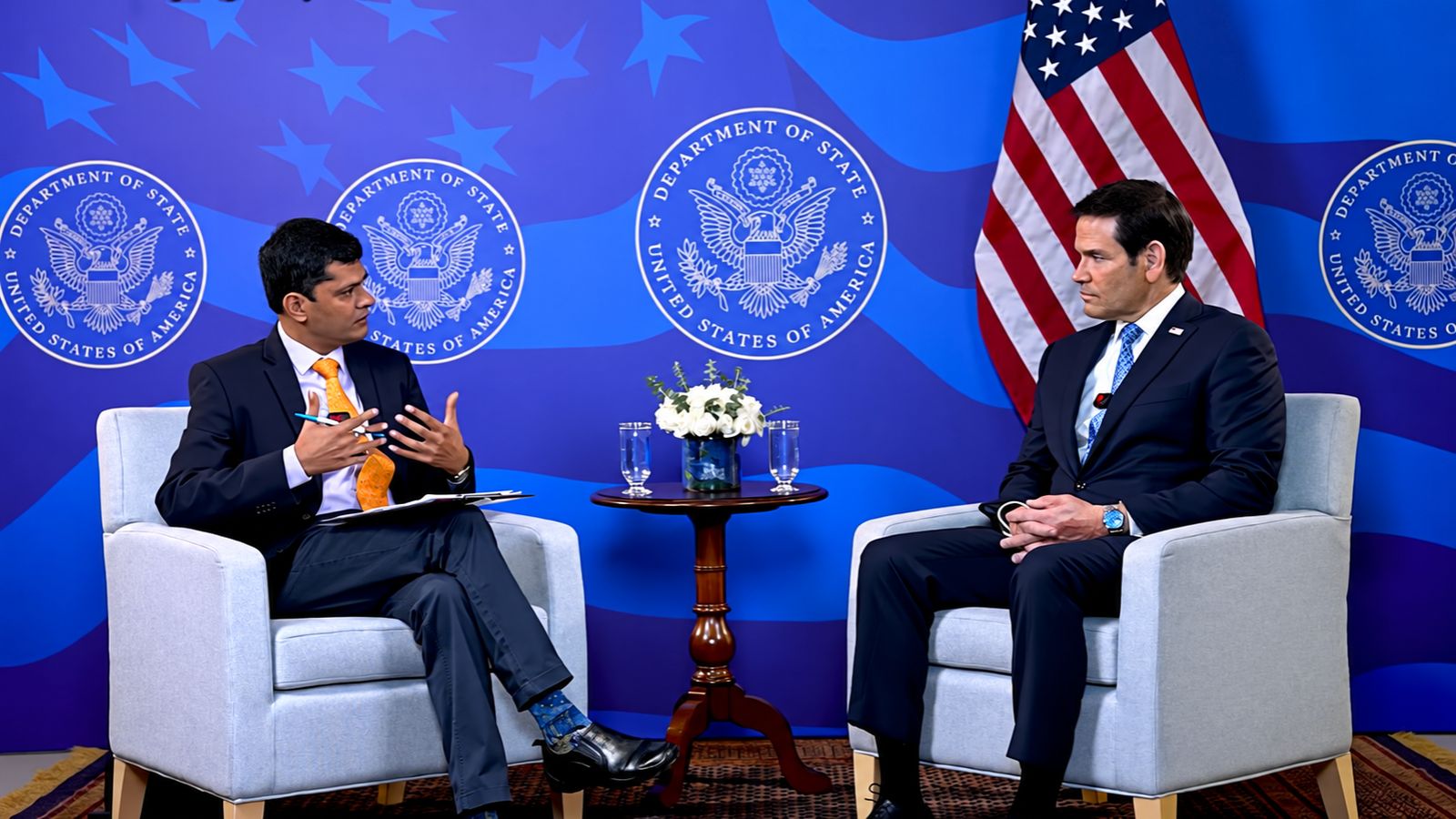
As the two sides re-affirmed the importance of advancing their strategic partnership, Rubio urged India to scale up energy trade and increase the purchase of American technologies and systems. This is significant since the US is looking at selling energy and defence equipment to meet its $500 billion trade target by 2030.
“We shared views on further advancement of our ties, focusing on trade, energy, technology, defence and people-to-people ties. Also exchanged views on regional developments,” Jaishankar posted on X.
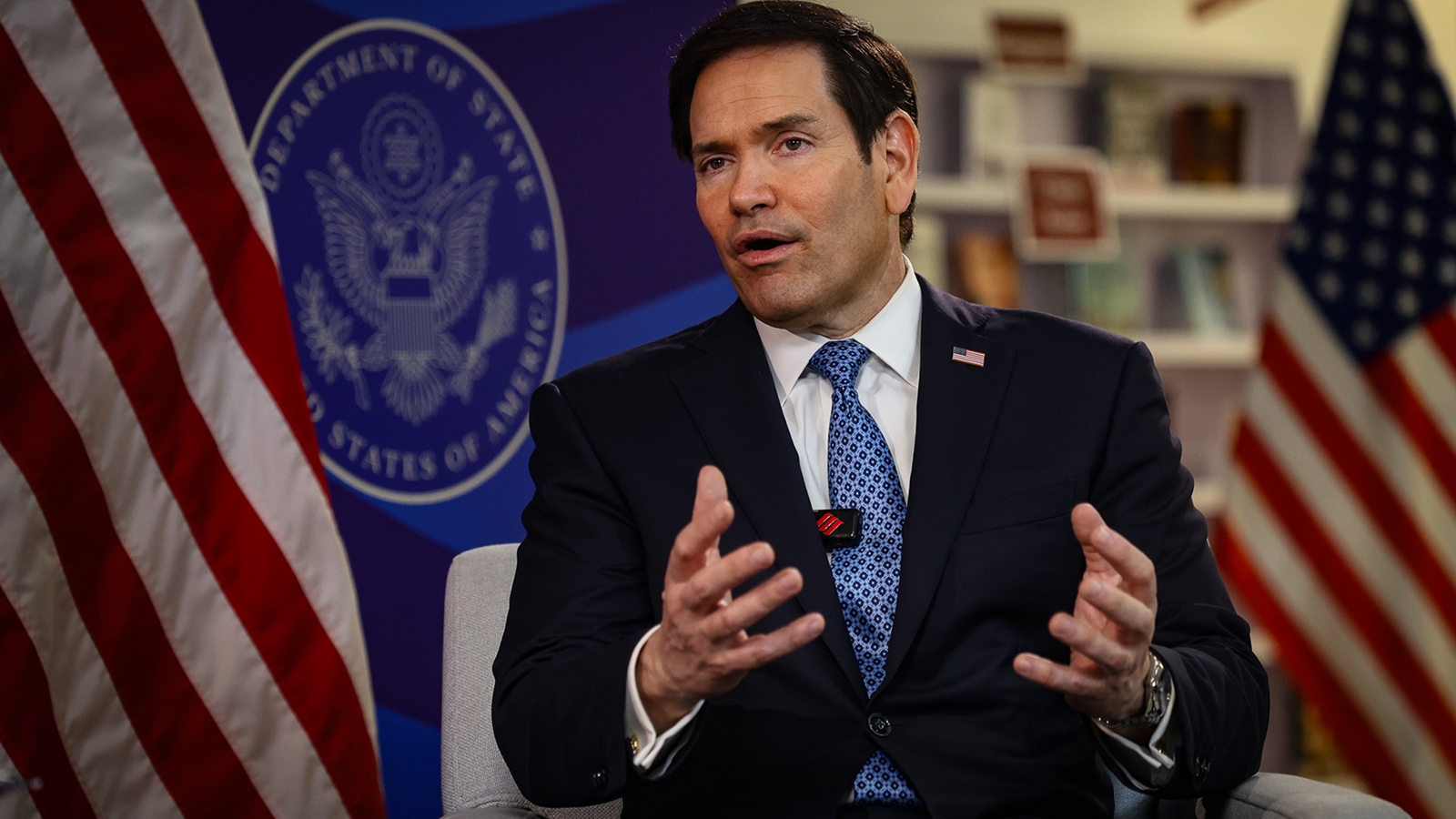 US Secretary of State Marco Rubio. (Express Photo)
“In Mumbai, Indian External Affairs Minister @DrSJaishankar and I discussed energy security and defence cooperation while reaffirming the importance of advancing the US-India strategic partnership,” Rubio said on social media.
“The Secretary reiterated that increased energy trade with the United States can play a transformative role in diversifying India’s supply chains while meeting its sizable consumer demand,” a readout by the US State Department spokesperson said. “He also commended recent progress in bilateral defence and civil nuclear cooperation, and advocated for the increased purchase of US technologies and systems, which can enhance the security and prosperity of both our countries,” it said.
“The Secretary and Minister discussed regional and global issues, including developments in the Middle East,” it said, in a reference to the war between the US and Iran, which has been going on for eight months now, creating an energy crisis across the world including in India.
“The two sides reviewed the entire gamut of India-US relations and discussed ways to further strengthen the Comprehensive Global Strategic Partnership,” the Ministry of External Affairs (MEA) said in its statement.
Story continues below this ad
“Both sides had a detailed exchange of views on a wide range of areas, including trade, defence, technology and energy security. They welcomed the progress made in negotiations on the India-US Bilateral Trade Agreement (BTA) and reaffirmed their commitment to working towards its early conclusion,” it said.
“The visit reflected the sustained momentum of high-level exchanges between the two countries, underscoring the importance both sides attach to further advancing the India-US COMPACT (Catalysing Opportunities for Military Partnership, Accelerated Commerce & Technology) for the 21st century,” it said.
Later, Jaishankar and Rubio also met UAE’s Foreign Minister Sheikh Abdullah Bin Zayed Al Nahyan. “Held a trilateral meeting… A useful exchange of perspectives on energy, connectivity and contemporary developments,” Jaishankar posted on X. They discussed “regional energy security and advanced… shared economic priorities.”
Jaishankar also participated as the chief guest at the US ‘Freedom 250’ reception hosted by the US Ambassador.
Story continues below this ad
“Productive discussions between @SecRubio and External Affairs Minister @DrSJaishankar on deepening US-India cooperation across defence, energy, emerging technologies and trade, as we continue to build the unrivaled momentum in our bilateral partnership,” US Ambassador Sergio Gor said on X.
Speaking to reporters in Mumbai on the India-US trade agreement, Rubio said: “Obviously, the State Department doesn’t negotiate trade agreements, but we are very much involved in what’s happening. In my perch as National Security Advisor, we care a lot about it. We’re very, very close. I would say we’re about as close as you can be without having executed the agreement… I think there’s a small number of items to wrap up, so I think that will happen shortly — we’re hoping, it should. And hopefully, I’ve got some good news to announce fairly soon, and perhaps… can sign it thereafter… we feel very optimistic that we will have something in place here very soon.”
On India’s import of energy from Russia, he said, “India has expressed repeatedly its desire to diversify its energy portfolio, which is a smart thing to do. It’s not easy to do that from one day to the next… I think they’ve made some substantial progress in that regard, and we’re happy to see that. But in the end, it’s not just about Russian oil; it’s about India’s desire to diversify, and we think we can be a source of some of its energy inputs. We have discussed Venezuela and other countries, and I think it’s in our interest to have strong allies with diverse energy portfolios.”
On Monday, days after the US signed a diesel purchase deal with Russia and announced a pause on the Lindsey O Graham Sanctioning Russia and Iran Act of 2026, Rubio said the decision to waive Russia oil sanctions also took into account the India-US trade deal.
Story continues below this ad
Asked about India’s possible role in meeting the world’s energy demands and whether Indian companies can refine more Venezuelan crude, Rubio on Tuesday linked it to his scheduled visit to Jamnagar. “They can, and we’ll talk about that tomorrow with Reliance. They’ve done so in the past. They have the capability to refine heavy crude. They’ve done so in the past, and I think as more and more Venezuelan oil comes online, it’s something they can do,” he said, explaining the decision to visit Reliance Industries Ltd’s refinery in Jamnagar.
“Refining capacity — it’s not just being able to produce oil. I think what a lot of people who have become experts in the energy field over the last few months are just learning, because of this conflict, refining capability’s a key part of it. And India’s a refining superpower, and they have the ability to do that. They have companies that know how to do that,” he said.
“They also, by the way, have oil concessions in Venezuela; they can produce more themselves. So all these are positive things. And I’m not claiming to you that Venezuela alone can fill the hole that could be caused by some of the things that are happening around the world, but I think over time, it most certainly can, and in the short term it can somewhat provide relief. So that’s one of the things we’ll talk about with India. We talked about it in the past, and they sound ready to… they’re ready to do it, they’re willing to do it. There might be a few impediments that stand in the way in terms of sanctions and so forth that we have to work through, pre-existing sanctions on the Maduro regime,” he said.
Talking about his second visit to India since May this year, Rubio said: “I would like to point out that the foreign minister of India flew to the United States four times this year. This is the most populous country in the world, it’s the largest democracy in the world, it’s an important commercial partner and business partner of the United States. We also do a lot of defence cooperation. They’re a key member of the Quad. They’re a strong strategic partner. So I actually don’t think we come enough, and I think we need to have more…”
Story continues below this ad
Listing the number of senior members of the Trump administration who have visited India, he said: “So this is a very important partner for us.”
Rubio also paid tribute at the 26/11 memorial at the Taj Mahal Palace Hotel in Mumbai.
Earlier in the day, Rubio was received at the Mumbai airport by Maharashtra Minister Ashish Shelar, accompanied by MEA’s Additional Secretary in charge of Americas division, K Nagaraj Naidu.
Welcoming Rubio to India, the MEA’s official spokesperson Randhir Jaiswal said in a post on X: “The visit provides an opportunity to further advance cooperation across the various pillars of the India-US Comprehensive Global Strategic Partnership.”
Story continues below this ad
Rubio’s visit comes amid the tension in India-US relations over visa restrictions and tariff threats. His meeting with Jaishankar is being seen as an attempt to repair ties. With Prime Minister Narendra Modi expected to travel to the US for the G20 leaders summit in December, the meeting also laid the groundwork for his visit.
The choice of venue is being seen as an outreach to India’s business elite, which is based in Mumbai.
KioskNews shows a cleaned-up reading view extracted from the publisher’s page — the original always lives on their site, not ours.