Asia’s airport ecosystem: Ready for take-off

From automation to new terminals, industry leaders at Passenger Terminal Expo Asia will explore how airports can keep pace with the region’s rapid aviation growth.
New: You can now listen to articles.

This audio is generated by an AI tool.

14 Sep 2026 09:47AM
Much of global aviation’s future growth is set to come from Asia. Asia Pacific is among the world’s fastest-growing aviation markets, according to long-term demand projections by the International Air Transport Association. Passenger numbers in the region are expected to surpass 4 billion by 2044, around 2.4 billion more than today, representing about 41 per cent of global growth.
To meet this demand, airports across Asia are expanding their infrastructure. Industry estimates put planned investment in Asia-Pacific and Middle East airport infrastructure at US$240 billion (S$306 billion) over the next decade. Projects range from upgrades to existing facilities, including the upcoming Terminal 5 at Singapore Changi Airport, to new developments such as Vietnam’s Long Thanh International Airport. Both are part of plans to build airports capable of handling 100 million passengers a year.
But adding capacity alone will not be enough. The industry also faces challenges around financial and environmental sustainability, taxation and regulation, while airports must continue to strengthen security and improve the passenger experience.
“The airports that will be able to create the greatest long-term value will be those that make their infrastructure more adaptable, their operations more efficient and that offer enhanced passenger journeys,” said Mr Shantanu Gangakhedkar, principal aviation consultant and commercial aviation lead at Frost & Sullivan.
BIGGER, SMARTER AND MORE CONNECTED AIRPORTS
Asia’s passenger growth is driven by a rising middle class, higher demand for leisure and business travel, and greater regional connectivity, said Mr Gangakhedkar. At the same time, passengers increasingly expect journeys to be fast, seamless, personalised and digitally enabled.
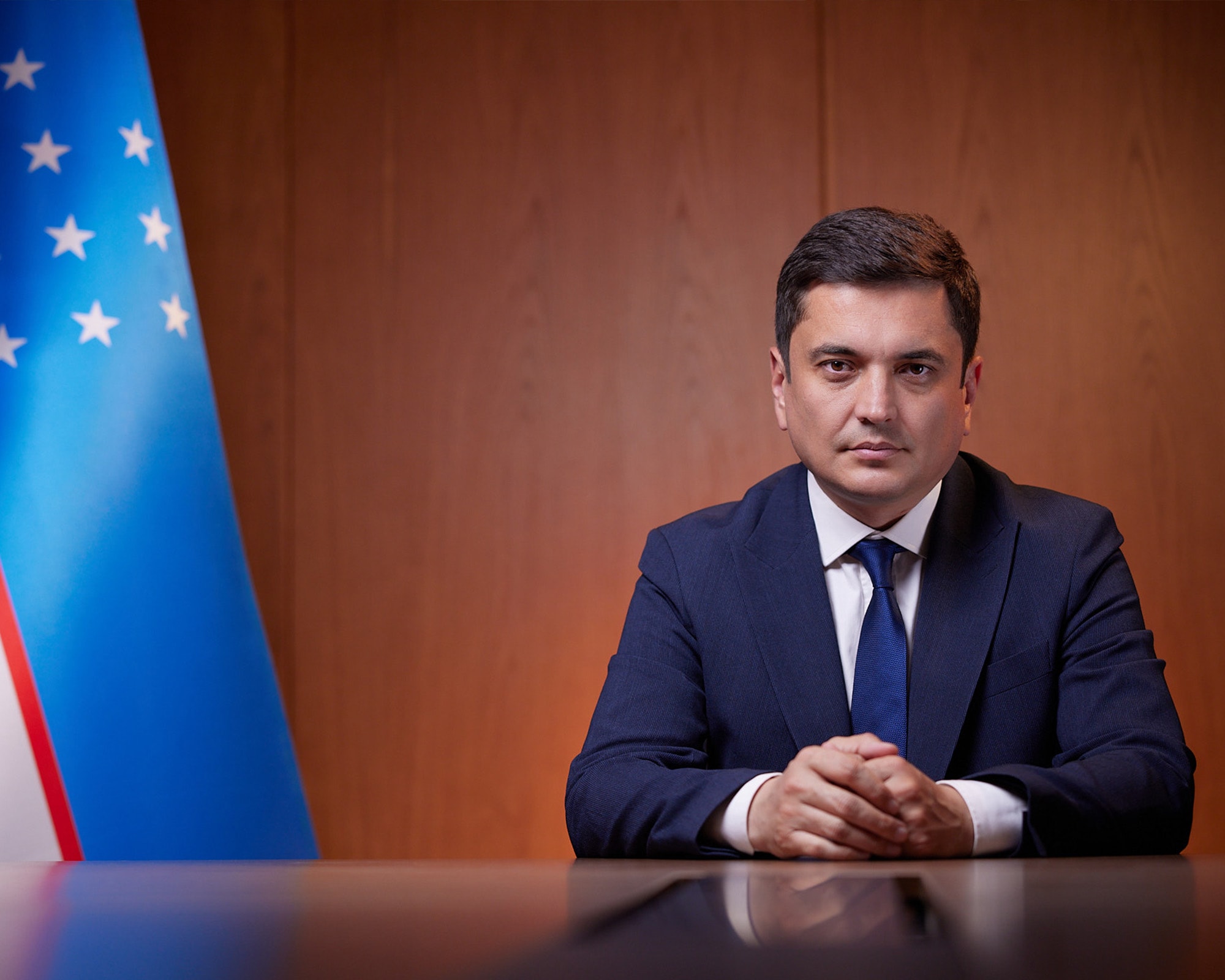
Uzbekistan, an emerging aviation hub in Central Asia, is pursuing expansion through public-private partnerships. The government plans to expand and modernise Urgench International Airport, as well as build New Tashkent International Airport.
“Partnering with world-class operators, such as Incheon International Airport Corporation at Urgench, is as much about transferring know-how as attracting capital,” said Mr Javlonbek Umarkhodjaev, chairman of the board at Uzbekistan Airports. “Technology only works when it is backed by trained people, sound processes and clear accountability. We build these requirements into our projects from the outset, bringing in operators with international experience so that we can use proven solutions.”
Likewise, New Zealand’s Auckland Airport is using technology to improve its operations and coordination with airlines, ground handlers, border agencies and other partners. It is exploring artificial intelligence, automation, biometrics, computer vision and predictive tools to anticipate disruptions earlier, coordinate responses faster, and enhance safety and reliability for passengers.
“As airports are highly interconnected environments, the biggest change will come between organisations, not within them,” said Ms Chloe Surridge, chief operations officer of Auckland Airport. “That means shared data, greater operational visibility and collaborative decision-making across the airport ecosystem. The hard work lies in redesigning processes, integrating systems and building workforce capability.”

PASSENGER TERMINAL EXPO COMES TO ASIA
How airports can navigate these opportunities and operational challenges will be a key focus of the inaugural Passenger Terminal Expo (PTE) Asia, the Asian edition of PTE World, taking place on Sep 23 and 24 at Marina Bay Sands Expo & Convention Centre, Singapore.
Thousands of airport and aviation professionals from Asia Pacific, Middle East and Central Asia are expected to attend. Mr Gangakhedkar, Mr Umarkhodjaev and Ms Surridge are among more than 150 conference speakers discussing areas including connected passenger experience, sustainability, investment and funding, and airport planning and development.
The event will also feature an industry exhibition, with more than 125 participants showcasing solutions for airport design, construction and operations.

WHAT ASIA’S AIRPORTS CAN LEARN FROM ONE ANOTHER
Asia’s aviation landscape is diverse, with airports at different stages of development. However, many face common questions around capacity, legacy assets, technology, sustainability, funding and passenger expectations.
PTE Asia will bring together professionals and decision-makers involved in planning, designing, developing and operating passenger terminals across the region. As air travel continues to grow over the long term, the event provides a forum for airports and other industry players to share ideas and advance collaboration on initiatives that can shape safer, smarter and seamless passenger journeys.
Industry professionals can register for PTE Asia. Exhibition entry is free, while full conference delegate passes are priced at S$500. Airport, airline and public-sector professionals may qualify for complimentary attendance. Senior executives may also be invited to join the VIP programme.
KioskNews shows a cleaned-up reading view extracted from the publisher’s page — the original always lives on their site, not ours.