Fake pollsters and bogus polls becoming a real issue in U.S. midterms
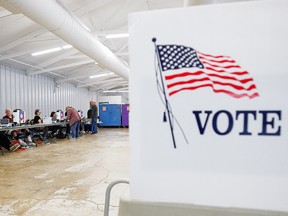
A self-described U.S. polling firm whose data was tracked by political campaigns and mainstream media has admitted that its polls were fabricated, in the second such scandal to stir controversy ahead of the midterm elections.
Sign In or Create an Account
The case involving the firm Wedgewood Polls threatens to erode trust in independent pollsters in an already hyperpolarized political climate, particularly as political pundits voice concern that fast-evolving AI tools are making it easier to fabricate results.
The case came to light earlier this week after polling aggregator FiftyPlusOne contacted Wedgewood as part of an investigation into the firm’s surveys.

Get a dash of perspective along with the trending news of the day in a very readable format.
By signing up you consent to receive the above newsletter from Postmedia Network Inc.
A welcome email is on its way. If you don't see it, please check your junk folder.
The next issue of NP Posted will soon be in your inbox.
We encountered an issue signing you up. Please try again
Wedgewood responded with a statement on X admitting that “most” of its data had been made up.
It said the firm had been experimenting on how easy it could be for “an entirely fabricated polling firm to gain traction” and “be taken seriously.”
It turns out that Wedgewood, whose X account has since been taken down, was indeed taken seriously.
Michigan Senate candidate Mallory McMorrow said after the group’s “poll” in late June showed her support in the single digits, she said “donations dried up,” volunteers were “devastated,” and the media “hounded” her “with calls to drop out.”
“It killed us,” McMorrow wrote on X.
The bogus data, which covered high-profile races across several states, were also highlighted by major polling aggregators and news outlets, including The New York Times.
In an editors’ note, The Times said its poll tracker database included 15 surveys released by Wedgewood between June and October, all of which have now been removed.
Brendan Carr, chairman of the Federal Communications Commission, said there has been “a significant surge in entirely fake polls and suppression polls” designed to interfere with the electoral process.
He urged the media not to amplify such hoaxes and engage in “news distortions.”
In August, another phony group called Median Strategies admitted to fabricating poll results, saying it was “created as a short term social experiment,” according to the Los Angeles Times.
On Thursday, in a blog titled “more pollster funny business,” FiftyPlusOne said it will no longer collect polling data by another firm called SoCal Strategies, after an investigation that cast doubt on its authenticity.
The firm could not be reached for comment. SoCal Strategies’s website, X account, and Substack page appeared to have been taken offline.
The revelations comes amid warnings that AI-powered tools were enabling the fakery.
“It’s getting easier to conduct low-quality polls — or fake them altogether,” FiftyPlusOne said.
Sophisticated AI tools were also making it difficult to identify phony pollsters and made-up data, the American Association for Public Opinion Research said in a statement.
“We are once again experiencing bad actors producing and distributing fabricated data and organizational information that undermines trust in public opinion and election polling,” said the association’s president, Mary Losch.
“It is important that we don’t conflate fraudulent activity like this with legitimate election polling.”
Our website is the place for the latest breaking news, exclusive scoops, longreads and provocative commentary. Please bookmark nationalpost.com and sign up for our daily newsletter, Posted, here.
Join the Conversation
This website uses cookies to personalize your content (including ads), and allows us to analyze our traffic. Read more about cookies here. By continuing to use our site, you agree to our Terms of Use and Privacy Policy.
KioskNews shows a cleaned-up reading view extracted from the publisher’s page — the original always lives on their site, not ours.