Jakarta wants Russia not to recruit Indonesians in its war. Should Prabowo call Putin?
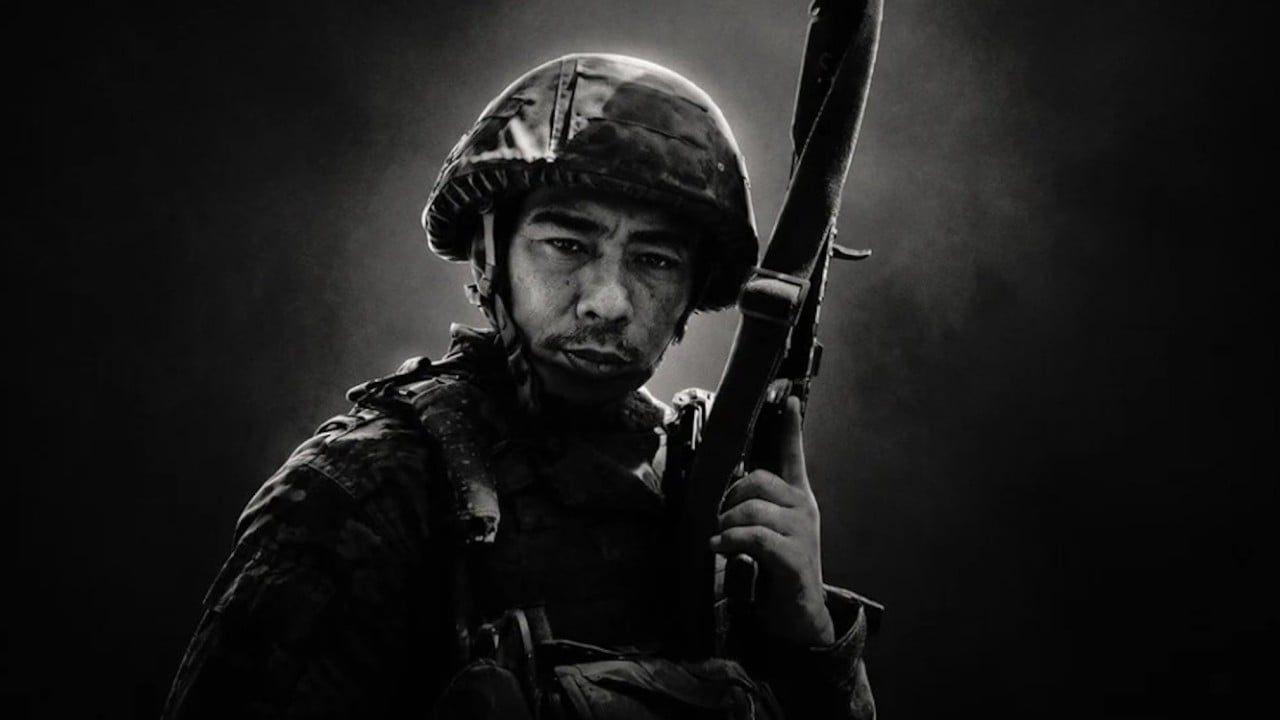
Indonesia has called on Russia to stop recruiting its citizens to fight in Ukraine, with analysts saying the appeal may only be ineffective if President Prabowo Subianto directly pressures his Russian counterpart Vladimir Putin on the issue.
On Sunday, Indonesia’s Ministry of Foreign Affairs spokeswoman Yvonne Mewengkang said: “The Indonesian government asked the Russian government to take all necessary steps to ensure that no Indonesians will be recruited into the Russian military or any other military-related position in Russia through any avenues.”
The request was expected to be implemented “effectively and immediately”, Mewengkang added, according to a report by state news agency Antara.
The call follows a report from the Defence Intelligence of Ukraine (HUR) on October 27 that an Indonesian died fighting for Russia in Donbas in eastern Ukraine.
The deceased was Taufiq Muhammad, who worked as a taxi driver in Jakarta, spoke English and had work experience in the United States, according to HUR, which revealed his birthday, indicating that he was either 47 or 48 years old when he died.
“He likely believed promises of ‘easy money’ and travelled to Moscow. In reality, he became yet another victim of Russia’s deceptive scheme to recruit foreigners for its criminal war,” HUR said in a statement.
In April, Taufiq signed a one-year contract to fight for Russia and died “almost immediately” in his first battle in early May, HUR said.
Mewengkang said the Indonesian embassy in Moscow was “examining and verifying the report”.
In September, a 30-year-old Indonesian man named Rendi Apriyanto from the Natuna Regency in the Riau Islands was reportedly killed in Ukraine, marking the first known Indonesian casualty in Moscow’s ongoing war against Kyiv following its 2022 invasion.
Rendi went to Russia after he was promised a “high-paying job in logistics for the military”, but was sent to the front line instead and was killed by a drone strike, his parents told local media Batamnews on September 29.
According to Ukraine’s I Want to Live project, which tracks foreign mercenaries in the Russian military, 292 Indonesians have been recruited to fight in the war. At least 283 of them were involved in combat in the first nine months of this year, an increase from just nine in total over the previous three years.
Ukraine’s Foreign Intelligence Service published the names of eight Indonesians recruited into Russia’s armed forces in September.
Indonesia’s National Police have escalated crackdowns on illegal recruitment, naming 13 human trafficking suspects on Monday for duping 58 citizens to travel to Russia. The ring, which included two Russian nationals and one Ukrainian, allegedly enticed victims over social media with false promises of US$3,000 monthly salaries.
Call for Prabowo’s intervention
Radityo Dharmaputra, an international relations expert from Airlangga University, said Jakarta’s formal request was a step in the right direction, but he urged Prabowo to engage in direct talks with Putin.
“That’s the first step, but more importantly, if we learn from the experiences of other countries, if we want to be effective, there must be pressure from our highest leadership,” Radityo told This Week in Asia.
“That’s what India did. [India’s Prime Minister] Narendra Modi contacted Putin directly and then protested openly. Only then was there any follow-up action.”
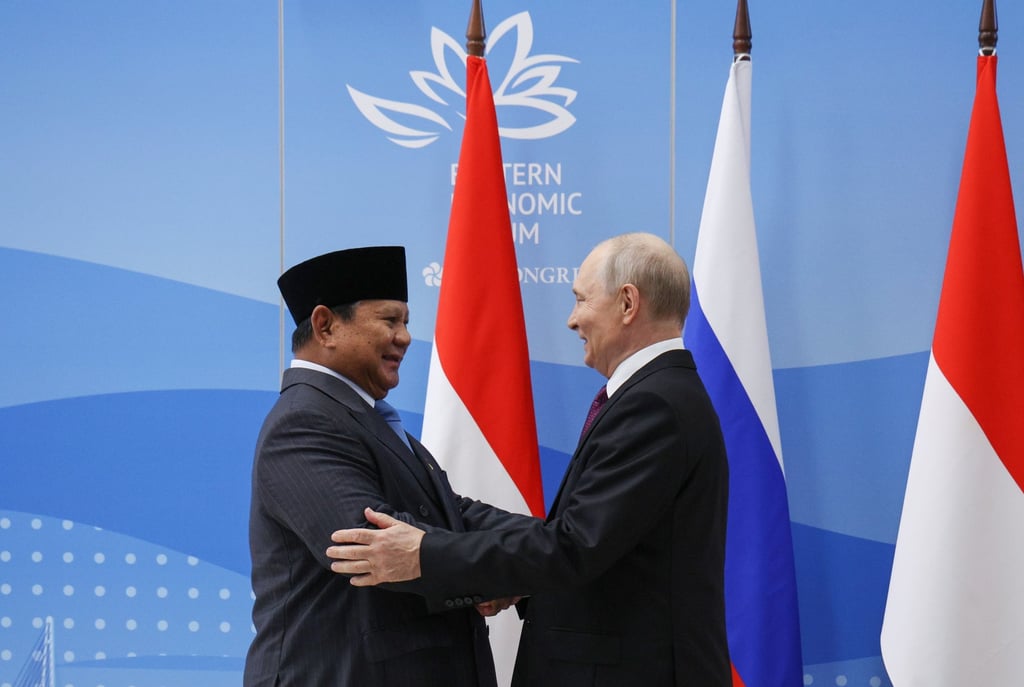
Radityo said Prabowo’s close ties with Putin “could be used as a tool to pressure Russia to at least stop recruiting Indonesian citizens”.
In July 2024, Modi convinced Putin to discharge all Indian citizens from the Russian military.
However, India’s Ministry of External Affairs said in a statement on October 1 that it “continues to see reports about Indian nationals recruited into the Russian armed forces”.
The ministry said “non-public entities” recruited foreign nationals to serve in the Russian military, adding that it “continuously engaged” with the Kremlin to ensure the safety and early discharge of Indian nationals fighting for Russia.
Radityo said Indonesia’s diplomatic engagement with the Kremlin on the matter “will only be effective if it is followed up with further protests and internal efforts to restrict our citizens’ travel”.
“In Kenya, it was the people who protested. The victims’ families worked with journalists and non-profit organisations and protested to the government. Ultimately, the government tried to stop recruitment,” Radityo added.
Hikmahanto Juwana, a professor of international relations at the University of Indonesia, was “concerned” that Indonesia’s official request to the Russian side “will not be effective” because foreign private military firms could still ignore any such restriction.
“On the Russian side, they simply hire private firms to recruit people willing to fight in Ukraine, much like how companies hire third-party security guards. So when you use diplomatic channels [to protest the recruitment], Russia can just say, ‘I have no business with this, I don’t know’,” Hikmahanto said.
Hikmahanto urged Jakarta to solve the crisis by providing employment opportunities domestically so that young Indonesians would not seek work abroad.
Radityo also called for Indonesia to partner with other Asean members to put more pressure on Russia, which had also deployed mercenaries from the Philippines, Cambodia, Myanmar, Malaysia and Vietnam to fight in the war.
“If there were a mechanism within the Association of the Southeast Asian Nations to protest jointly to Russia, demanding that no Southeast Asian citizens be recruited, I think that would significantly improve our bargaining power,” he said.
“The problem, however, is whether President Prabowo and his team will utilise Asean.”
KioskNews shows a cleaned-up reading view extracted from the publisher’s page — the original always lives on their site, not ours.