Cats could unlock new cancer treatments for humans, scientists say

Scientists studying cancer in cats have found their research could also help to treat the disease in humans.
Opening what experts once described as a genetic “black box”, the study genetically analysed tumours in 500 cats – a scale that has never been attempted before.
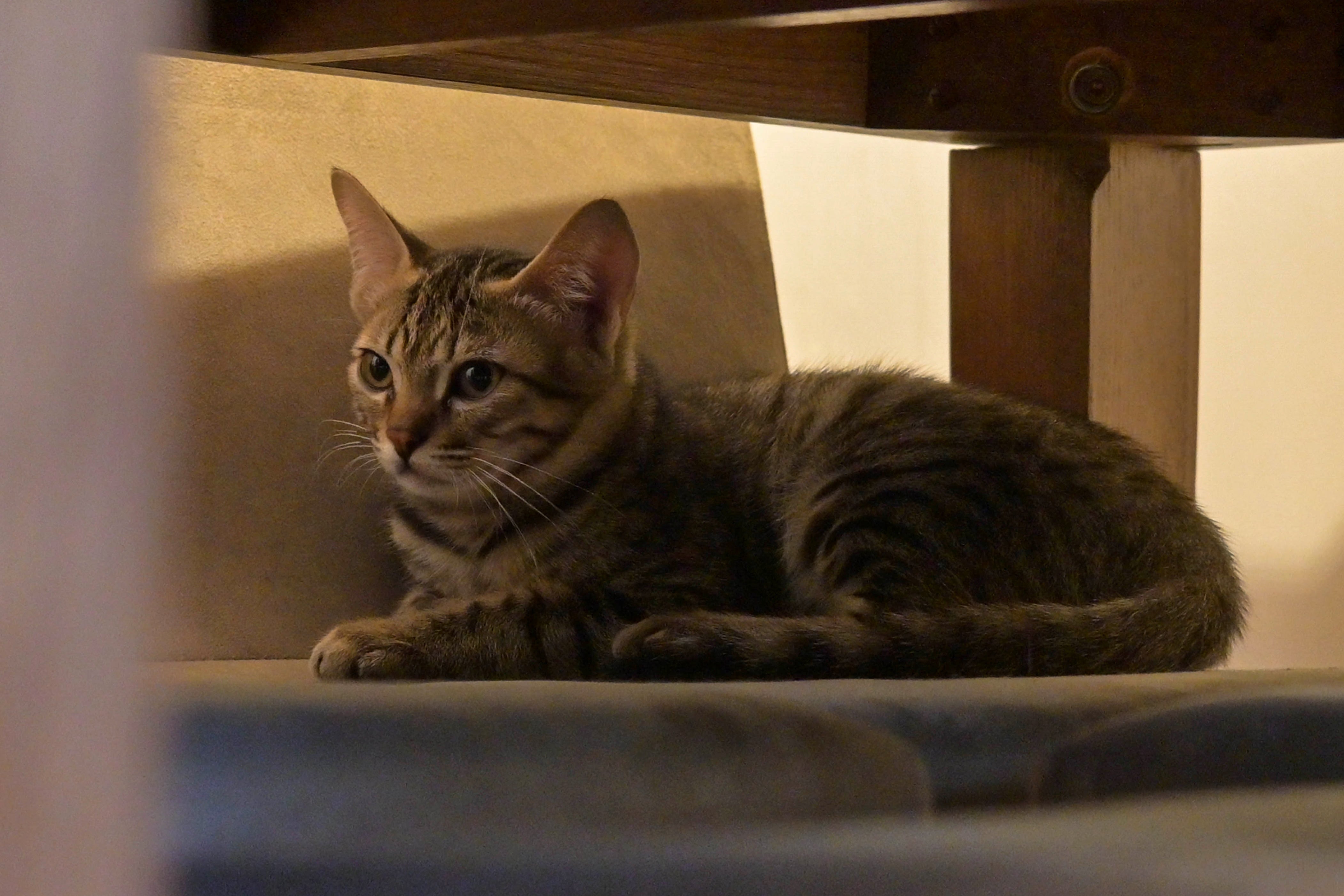
Because domestic cats live alongside humans, they share the same environmental hazards like secondhand smoke and household pollutants. This makes them an ideal model for studying how cancers form in real-world conditions, explained Dr Geoffrey Wood, a pathobiology professor at the University of Guelph in Canada and co-senior author of the study.
The findings, published in the Science journal, could pave the way for human clinical trials by identifying shared genetic triggers that drive tumour growth across both species.
Over the course of the study, the team isolated key "driver genes" responsible for uncontrolled cell growth, discovering striking genetic overlaps with human cancers.
The clearest parallel emerged in aggressive breast cancer, where more than 50 per cent of feline tumours harboured mutations in the FBXW7 gene.
In human breast cancer patients, damage to the same gene is linked to significantly poorer outcomes, as the loss of FBXW7 allows growth-promoting proteins to flood healthy tissue.
Scientists also uncovered shared genetic mutations in cancers affecting the blood, bones, lungs, skin, gastrointestinal system, and brain.
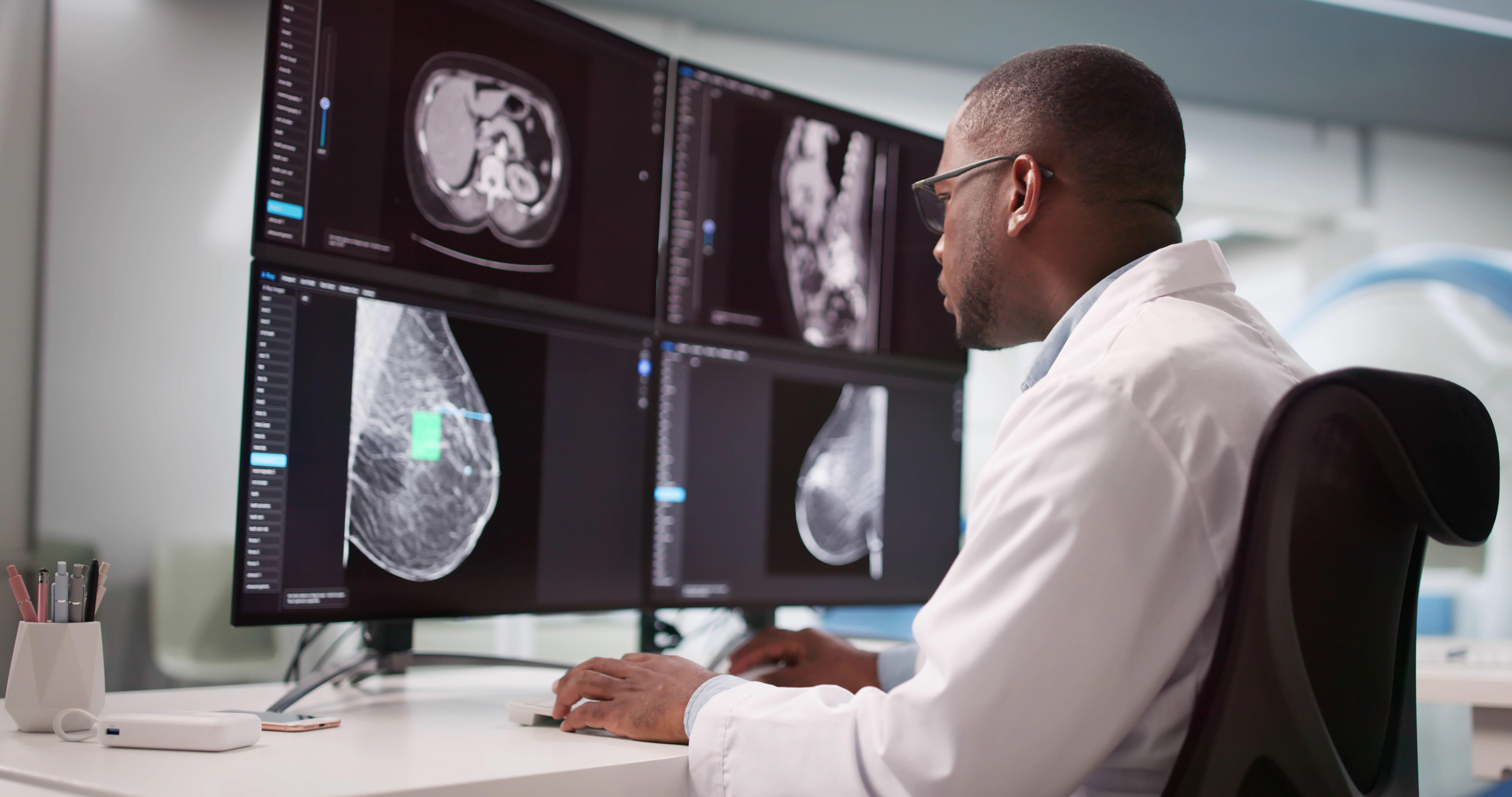
Critically, laboratory tests revealed that tumours carrying the mutated FBXW7 gene were far more vulnerable to specific targeted chemotherapy drugs.
While tests have so far been confined to tissue samples, researchers believe the findings could accelerate precision drug development for human therapies.
"This study can help us understand more about why cancer develops in cats and humans, how the world around us influences cancer risk, and possibly find new ways to prevent and treat it," Dr Wood explained.
The study aligns with the growing ‘One Medicine’ movement, a strategy based on the premise that human and veterinary health advances should directly inform one another.
The findings offer new avenues for precision oncology, a targeted medical approach that tailors treatments directly to the genetic profile of a patient's tumour rather than relying on blanket chemotherapy.
Historically, feline cancer genetics remained a blind spot for researchers, leaving scientists with far less data than they possessed for human or dog tumours.

“Despite domestic cats being common pets, there was very little known about the genetics of cancer in these animals until now,” Dr Wood said.
Researchers have since uploaded the complete genetic database online, making it freely accessible to cancer institutes worldwide.
Dr Louise Van Der Weyden, senior author at the Wellcome Sanger Institute, said the project establishes a foundation that will ultimately benefit human and animal medicine alike.
She added: “We can now begin to take the next steps forward towards precision feline oncology to catch up with the diagnostic and therapeutic options that are available for dogs with cancer, and ultimately one day, humans.”
KioskNews shows a cleaned-up reading view extracted from the publisher’s page — the original always lives on their site, not ours.