12-Episode Prime Video Masterpiece Is A Rare Show Where Every Line Is Perfect
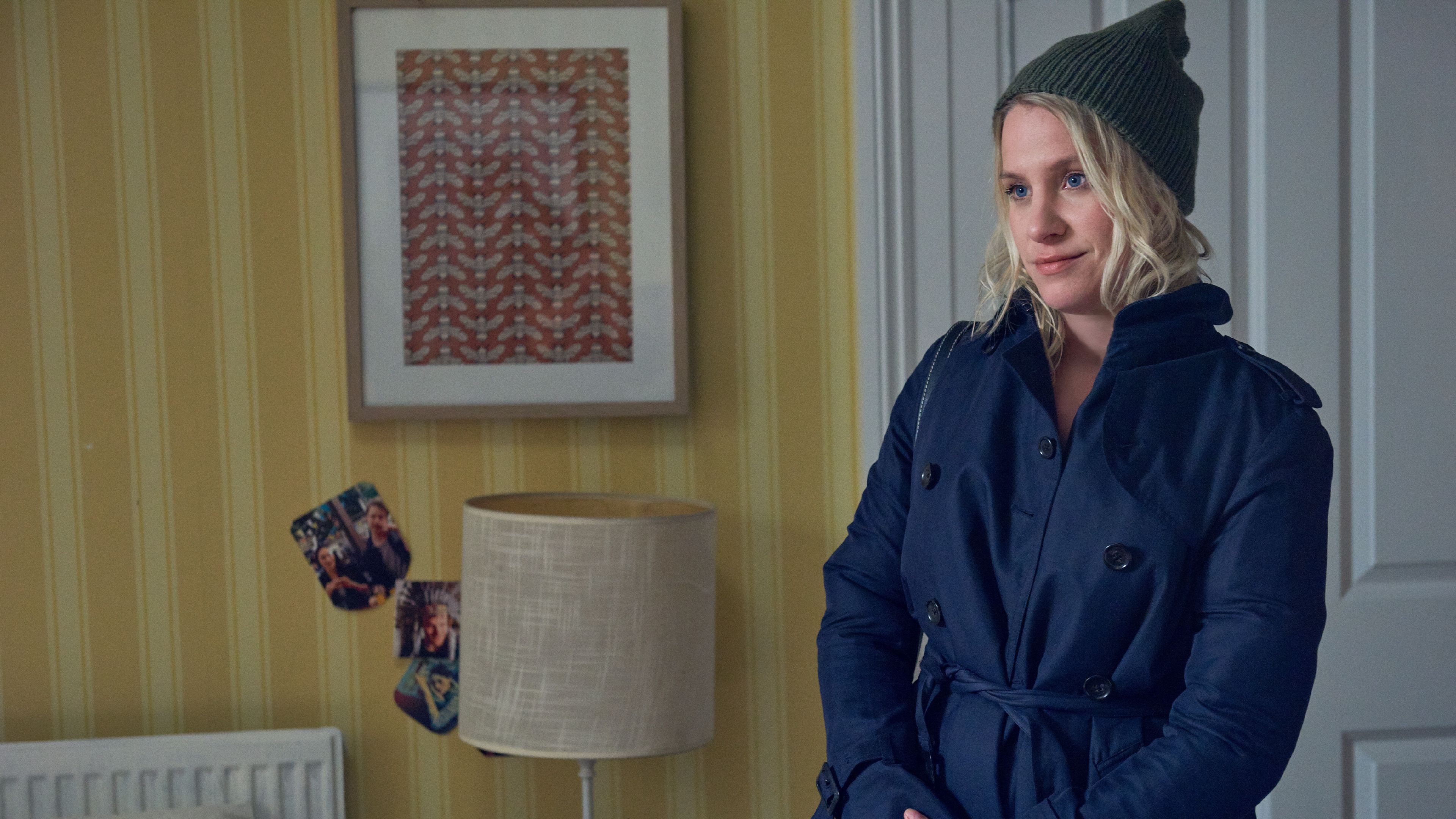

Ben Sherlock is a Tomatometer-approved film and TV critic who runs the massively underrated YouTube channel I Got Touched at the Cinema. Before working at Screen Rant, Ben wrote for Game Rant, Taste of Cinema, Comic Book Resources, and BabbleTop. He's also an indie filmmaker, a standup comedian, and an alumnus of the School of Rock.
Very few TV shows are perfect from start to finish, but an inordinate number of classic British sitcoms are, because they’ve figured out the trick: don’t do too many seasons or episodes. If you only do a handful of episodes, then it’ll be a lot easier to stick the landing. It was much easier for Ricky Gervais and Stephen Mercant to make 14 perfect episodes of the original British Office than it was for the American remake to churn out more episodes than that every single year, for a grand total of more than 200.
Ever since Fawlty Towers called it quits after two seasons of six episodes each (largely due to the real-life divorce of co-creators John Cleese and Connie Booth), it’s become fashionable for British sitcoms to follow suit. The Office, Extras, I’m Alan Partridge, Spaced, The Young Ones, Early Doors — two seasons and done is the style in the UK.
Phoebe Waller-Bridge stuck to that tradition with her own TV masterpiece, Fleabag, which ended its run after two six-episode seasons. Fleabag revolves around an aimless, self-absorbed, deeply troubled twentysomething woman dealing with grief, family issues, fraught friendships, professional obstacles, and all the foibles of modern dating. It’s a painful examination of life in your 20s, in that awkward transition period between adolescence and adulthood, where you have to grow up and figure it all out.
Fleabag remains Waller-Bridge’s magnum opus. She did a wonderful job as Killing Eve’s showrunner in its first season, but the subsequent showrunners ran that show into the ground. She stole every scene as Indy’s goddaughter Helena Shaw in Indiana Jones and the Dial of Destiny, but the movie itself was a Crystal Skull-sized let-down. A decade later, Fleabag remains the defining work of Waller-Bridge’s career, and the title character is her defining role.
Fleabag Is A Raw, Honest, Intimate Character Study
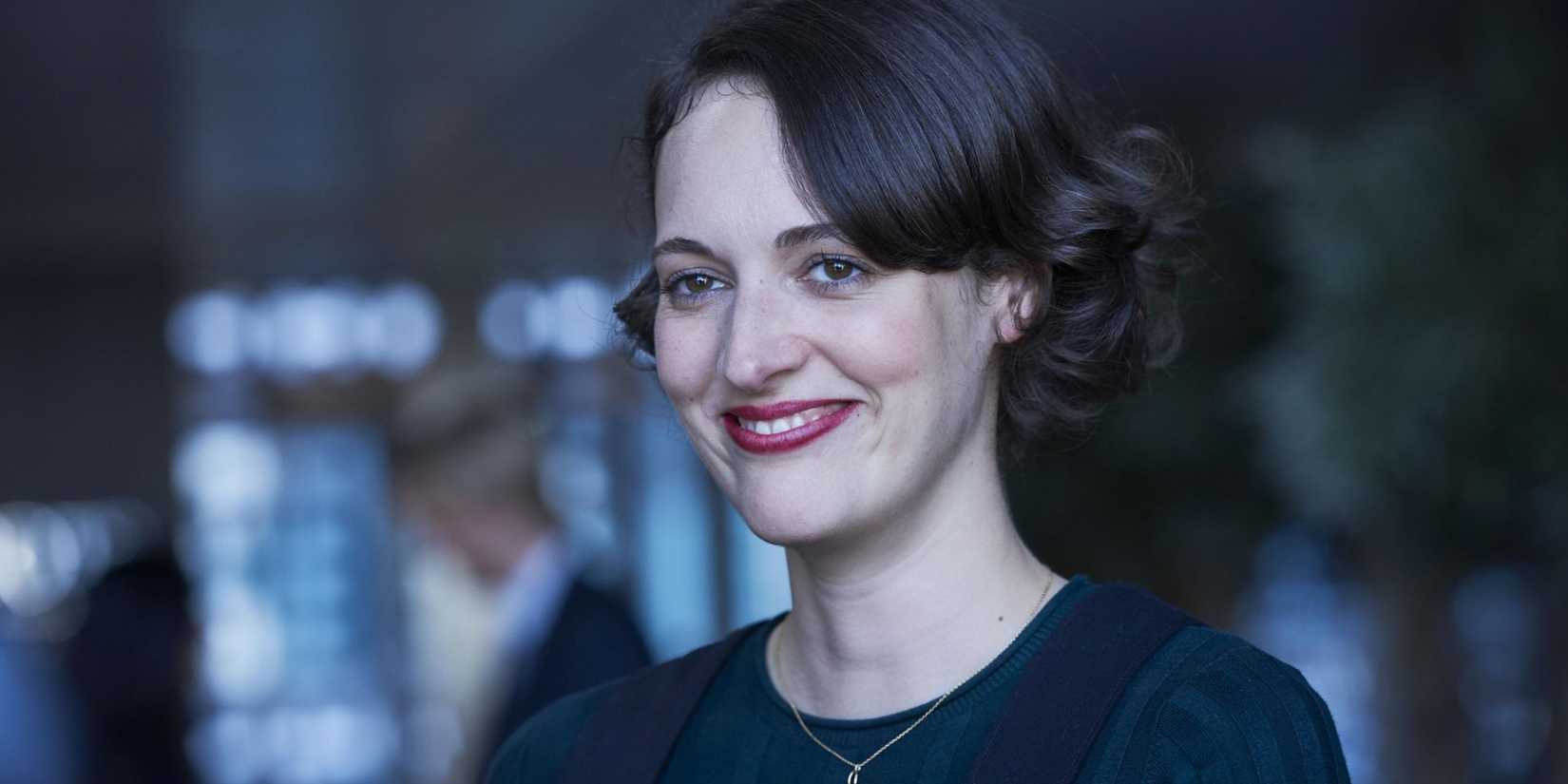
Waller-Bridge originated the character of Fleabag on the stage. It began as a one-woman play at the 2013 Edinburgh Festival Fringe, so Waller-Bridge already knew the character inside and out before she wrote one word of the TV series. Bryan Cranston had to figure out who Walter White was when he showed up to shoot the pilot episode of Breaking Bad, but Waller-Bridge already knew exactly who Fleabag was when the BBC commissioned a TV adaptation.
Fleabag is a raw, honest look at life as a single woman in her 20s, and a probing character study of a flawed antihero. Fleabag isn’t just the namesake of the series; she’s the center of its worldview. We experience the world through Fleabag’s eyes. She frequently breaks the fourth wall to address the audience directly, either to confide in the viewer or provide extra context or comment on events in real time — she’s like She-Hulk without superpowers — and all the characters are named after how Fleabag defines them: Bank Manager, Bus Rodent, Hot Misogynist, etc.
It’s rare that a TV show feels as fully realized a vision as Fleabag. It’s rare that a TV show remains the sole creative vision of one showrunner from beginning to end (Veep changed showrunners, Slow Horses changed showrunners, and the aforementioned Killing Eve had a new showrunner every single season). But even the most idiosyncratic shows are still a collaboration between many different artists: Seinfeld combined the formidable comic talents of Jerry Seinfeld and Larry David; Dick Van Dyke was just an avatar for Carl Reiner on The Dick Van Dyke Show; and Lucille Ball and Desi Arnaz were greater than the sum of their parts in I Love Lucy.
Along with Donald Glover’s Atlanta and Bill Hader’s Barry, Fleabag truly feels like the singular vision of a singular auteur. We see auteurs all the time at the movies, but they’re rare on television.

Fleabag

9/10
- Release Date
- 2016 - 2019-00-00
- Network
- BBC
- Showrunner
- Phoebe Waller-Bridge
- Directors
- Harry Bradbeer
KioskNews shows a cleaned-up reading view extracted from the publisher’s page — the original always lives on their site, not ours.