Why do Hong Kong’s Election Committee polls matter as nominations open?
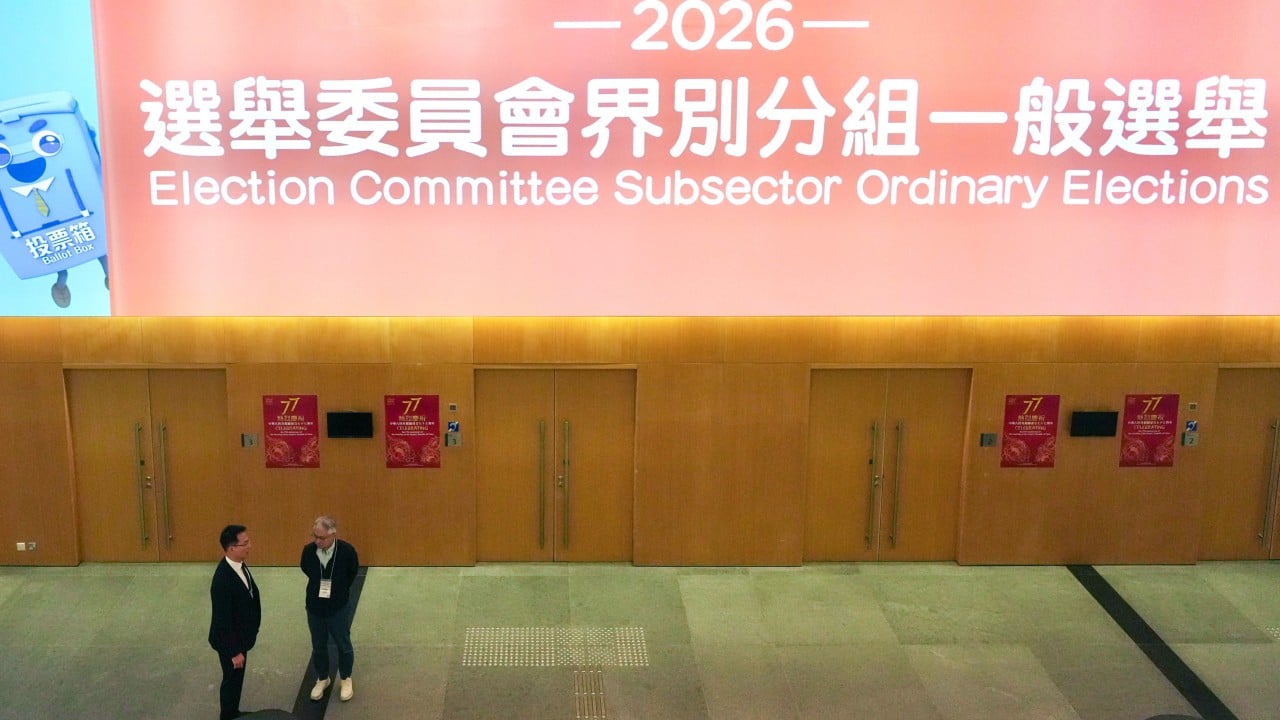
The nomination period opened on Wednesday for elections to the 1,500-member body responsible for choosing Hong Kong’s next chief executive and 40 lawmakers.
Hopefuls from at least four subsectors submitted their nomination forms on the first day.
The South China Morning Post explains the significance of the Election Committee polls, who signed up on the first day and what to watch for.
What is the Election Committee and why is it important?
Wednesday marked the start of a two-week nomination period for the 2026 Election Committee Subsector (ECSS) Ordinary Elections, scheduled for November 22.
Up to 982 subsector representatives will be elected to the city’s top electoral college. They will join 362 ex officio members and 156 members nominated by designated bodies. Together, the 1,500 members will be responsible for nominating and selecting the chief executive next March and electing 40 of the Legislative Council’s 90 members in 2029.
The Election Committee comprises five sectors representing 40 subsectors, ranging from commercial, financial and professional groups to grass roots organisations, district representatives and Hong Kong representatives in national bodies.
The body was revamped in 2021 as part of Beijing’s electoral overhaul to ensure patriots govern Hong Kong. It expanded from 1,200 to 1,500 seats with the addition of a fifth sector comprising patriotic politicians, including deputies to the National People’s Congress (NPC).
Who has signed up?
Hopefuls from at least four subsectors submitted nomination forms throughout the day. Some arrived at government offices carrying placards and chanting slogans. Each nomination form must be endorsed by at least five voters registered in the relevant subsector.
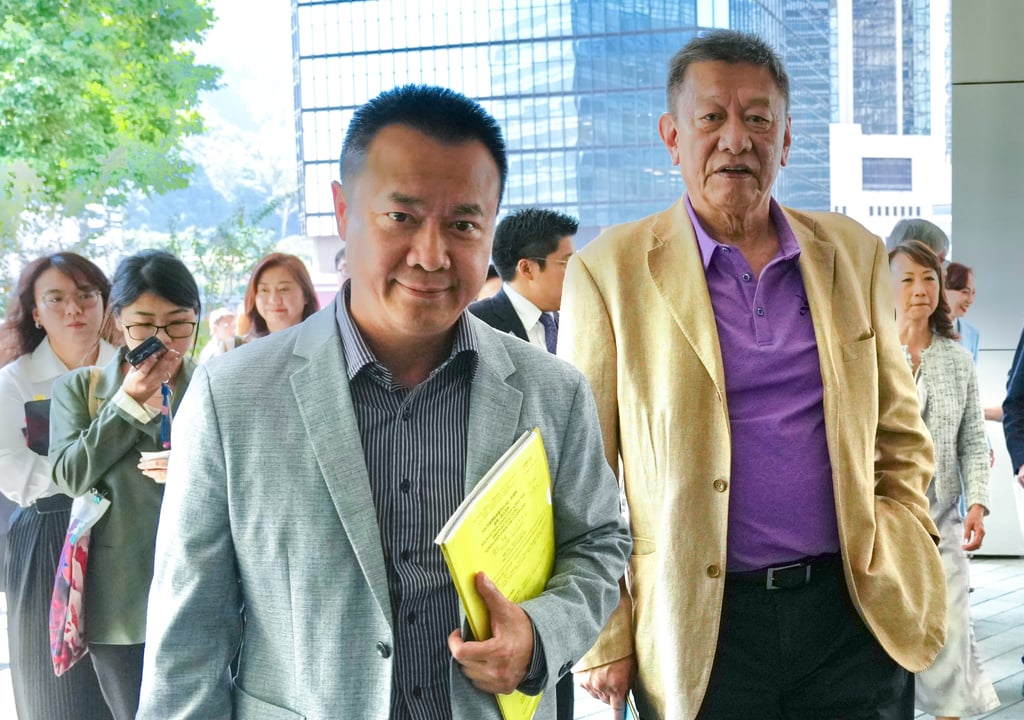
Renowned filmmaker Derek Yee Tung-sing and Hong Kong table tennis team coach Li Ching were among a 15-member team contesting the sports, performing arts, culture and publication subsector. The team was backed by lawmaker Kenneth Fok Kai-kong.
The Federation of Trade Unions put forward 46 representatives for the labour subsector, which has 60 seats. They included former lawmakers Aron Kwok Wai-keung and Michael Luk Chung-hung. The federation’s chairman, Stanley Ng Chau-pei, said the hopefuls represented unions across a range of industries, including automobiles and tunnels, railways and trams, seafaring, logistics and public utilities.
A coalition of 14 educators also signed up to contest the education subsector. They urged prospective chief executive candidates to promptly address teaching staff shortages and demographic changes.
What to watch out for?
Attention will focus on how many subsectors require contested elections and which ones they are. In the 2021 poll, seats in 23 subsectors were filled uncontested.
Some politicians have said Beijing “encouraged competition” to build an electoral atmosphere, although national security vetting remains in place to ensure only patriots can run.

Before the 2021 electoral overhaul, the Election Committee was regarded as a “highly contested battleground”, particularly in professional subsectors such as education. Pro-democracy and pro-establishment candidates competed fiercely for seats elected by individual voters. Those seats are now elected through corporate voting.
What happens next?
After the two-week nomination period closes, the Candidate Eligibility Review Committee will vet the nominations and confirm which candidates are eligible, taking advice from the Committee for Safeguarding National Security.
On November 22, registered voters in contested subsectors will cast their ballots to determine the final line-up of elected members.
Electoral Affairs Commission chairman Mr Justice David Lok Kai-hong inspected preparations at the returning officer’s office in the Tamar on Tuesday. Lok also chairs an independent commission investigating the deadly Tai Po fire.
He reminded returning officers to ensure the elections were conducted in an “open, honest and fair manner”.
KioskNews shows a cleaned-up reading view extracted from the publisher’s page — the original always lives on their site, not ours.