Google invests $15 billion into Malaysia as Souteast Asia’s data centre infrastructure ramps up

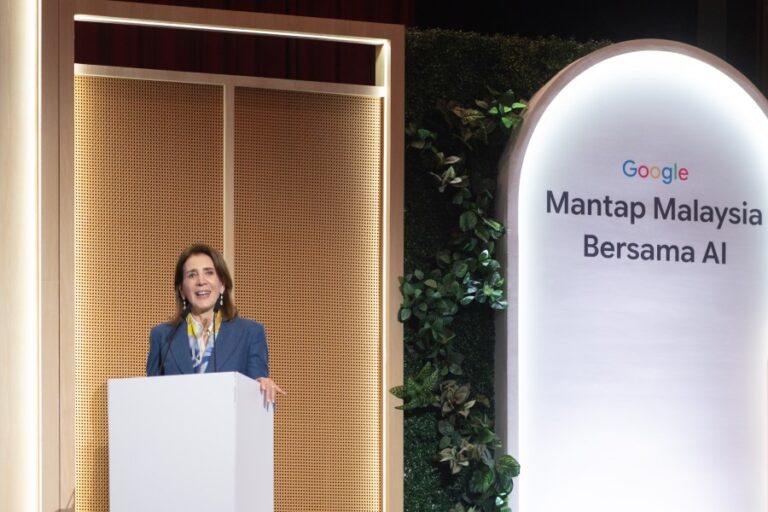
KUALA LUMPUR — 4 November 2026, Google announced plans to invest US$15 billion in Malaysia over the next two years, with Prime Minister Anwar Ibrahim and Digital Minister Gobind Singh Deo both attending and speaking at the launch of the expansion.
The investment, planned for 2027 and 2028, will include new data-centre campuses, clean-energy projects, water infrastructure and training programmes. Google says it will also help add more than one gigawatt of clean-energy capacity to Malaysia’s electricity grid and train around 800,000 Malaysians by 2031.
The scale makes the announcement significant well beyond Malaysia. Countries across Southeast Asia are competing to host the physical infrastructure required to run cloud services and increasingly power-hungry AI systems. Malaysia has emerged as one of the biggest winners so far.
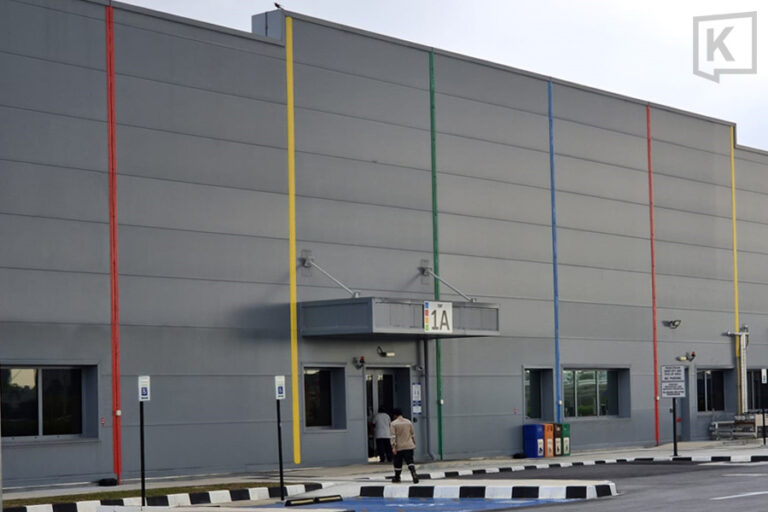
Google already has an operational data-centre campus at Elmina Business Park in Selangor, while further campuses are planned in Selangor and neighbouring Negeri Sembilan. The infrastructure will also support Google’s planned Malaysian cloud region and provide computing capacity for businesses and government agencies developing AI applications.
Google estimates construction of the new campuses will contribute an average of $1.1 billion a year to Malaysia’s GDP during 2027 and 2028 and support more than 37,000 jobs annually.
That number requires some context.
Around 6,000 are expected to be construction jobs. The broader figure includes employment generated elsewhere in the economy as money moves through suppliers and related businesses.
Google similarly projects that its facilities will sustain more than 9,000 local jobs annually once operational, with average wages 45% above the national median. However, these are not expected to be 9,000 people working directly inside Google data centres.
The company says the estimate includes specialist data-centre positions, contractors working for local suppliers, and jobs at surrounding shops, restaurants and other businesses supported by workers and their families.
According to market intelligence firm DC Byte, Malaysia now accounts for more than half of the data-centre capacity under construction across Southeast Asian markets including Indonesia, Thailand, the Philippines and Vietnam.
But the growth comes with an enormous appetite for electricity. Malaysia’s deputy prime minister told parliament in July that data centres are forecast to consume around one-third of the country’s total electricity by 2035.
Water is another pressure point.
Servers and AI chips generate large amounts of heat, requiring data centres to devote significant resources to cooling. Google plans to use water cooling at its Malaysian campuses after its assessments concluded that the watersheds serving the sites were not at high risk of scarcity or depletion. Google employees interviewed by Khaosod English said water cooling is generally preferred because it can reduce energy consumption by around 10% compared with air cooling.
Google is also funding river restoration, rainwater harvesting and other water projects, alongside a significant off-river storage reservoir and treatment plant in Negeri Sembilan.
Electricity may be the larger test.
Google has committed to enabling more than 1GW of additional clean-energy capacity for Malaysia’s national grid and says it will pay for all electricity consumed by its campuses as well as the direct infrastructure needed to connect them to the grid.
These promises come as Malaysia’s data-centre boom is already facing pressure from communities and regulators.
Reuters reported in July that residents in Johor had raised concerns over water pressure, construction dust and lost green space, while authorities have begun applying tighter electricity and water requirements to new projects. Authorities in Johor have tightened approvals and stopped accepting Tier 1 and Tier 2 data-centre projects because of concerns over their heavy water use.
For the rest of Southeast Asia, Malaysia’s experience could provide a preview of what comes next.
Thailand, Indonesia, Singapore and other regional economies are also courting technology companies and expanding domestic computing capacity. Thailand in particular has seen rapid growth in data centres while some resident raise questions over electricity use, safety and whether existing regulations can keep pace.
Having more computing capacity inside Southeast Asia can bring real advantages. Companies can access cloud and AI services closer to their customers, skilled technical industries can develop around the facilities, and billions of dollars can flow into construction, power systems, telecommunications and local suppliers.
But data centres also lock in decades of demand for electricity, land and water.
As data centres become a larger part of Southeast Asia’s economy, the debate around them is also likely to evolve. Governments will face growing pressure to decide how much electricity, water and land should be committed to an increasingly digital economy, and what safeguards should come with that growth. Malaysia’s experience will therefore be worth watching beyond the investment figures themselves: how regulators respond, whether public attitudes shift as more facilities are built, and whether companies can demonstrate that expanding AI and cloud infrastructure would be a net benefit for societies as facilities increase pressure on local water and energy supplies as well as the wider environment.
KioskNews shows a cleaned-up reading view extracted from the publisher’s page — the original always lives on their site, not ours.