The 10 Greatest Classic American Thriller Movies, Ranked

Diego Pineda has been a devout storyteller his whole life. He has self-published a fantasy novel and a book of short stories, and is actively working on publishing his second novel.
A lifelong fan of watching movies and talking about them endlessly, he writes reviews and analyses on his Instagram page dedicated to cinema, and occasionally on his blog. His favorite filmmakers are Andrei Tarkovsky and Charlie Chaplin. He loves modern Mexican cinema and thinks it's tragically underappreciated.
Other interests of Diego's include reading, gaming, roller coasters, writing reviews on his Letterboxd account (username: DPP_reviews), and going down rabbit holes of whatever topic he's interested in at any given point.
Sign in to your Collider account
There's nothing quite like a well-made thriller. After all, few film genres can be this irresistibly entertaining, this effectively tense, or this potently suspenseful. Throughout Hollywood's Classical period in particular—generally agreed to span between 1930 and 1960—, many American thriller movies were made which have gone down in history as some of the greatest films the genre has ever seen.
Whether it's a groundbreaking noir classic like Touch of Evil or a paragon of Hitchcockian filmmaking like Vertigo, the best thrillers from Hollywood's Golden Age are undeniable classics which only keep getting better with age. They're powerfully directed, well-written, impeccably shot, and all-around masterclasses in every department of thriller filmmaking.
10 'The Killing' (1956)
Over a quarter of a century after his passing, many would still confidently say that Stanley Kubrick is perhaps the greatest filmmaker in history. That wasn't always the case, however, seeing as Kubrick's first two feature films were barely modest successes. But though The Killing, Kubrick's third feature, was a box office flop, it was a tremendous critical hit and has aged as one of Kubrick's greatest movies.
One of the most timeless classic noir movies of Hollywood's Golden Age, The Killing employs a non-linear plot that completely revolutionized the heist film genre back in 1956, combined with razor-sharp dialogue and striking black-and-white visuals. As filmmakers were getting more and more experimental with Hollywood's Classical period coming to its final years, The Killing came out as one of the most freshly distinct thrillers the town had seen up that point.
9 'Touch of Evil' (1958)

Orson Welles remained one of Hollywood's most boundary-pushing and groundbreaking directors throughout its entire Golden Age, and from that delectably ahead-of-its-time auteurial voice came Touch of Evil, another one of the era's best noirs. Loosely based on Whit Masterson's novel Badge of Evil, it's probably one of the most Hitchcockian movies ever not directed by Alfred Hitchcock, even if that isn't by design.
Everything that follows one of the most perfect opening movie shots of the 20th century also happens to be one of the most perfect motion pictures of 1950s Hollywood. Welles transforms a delectably pulpy B-picture concept and turns it into a visually dazzling, morally complex, perfectly written masterpiece whose profound tehmatic grit and faultless pacing make it a must-see from top to bottom.
8 'North by Northwest' (1959)
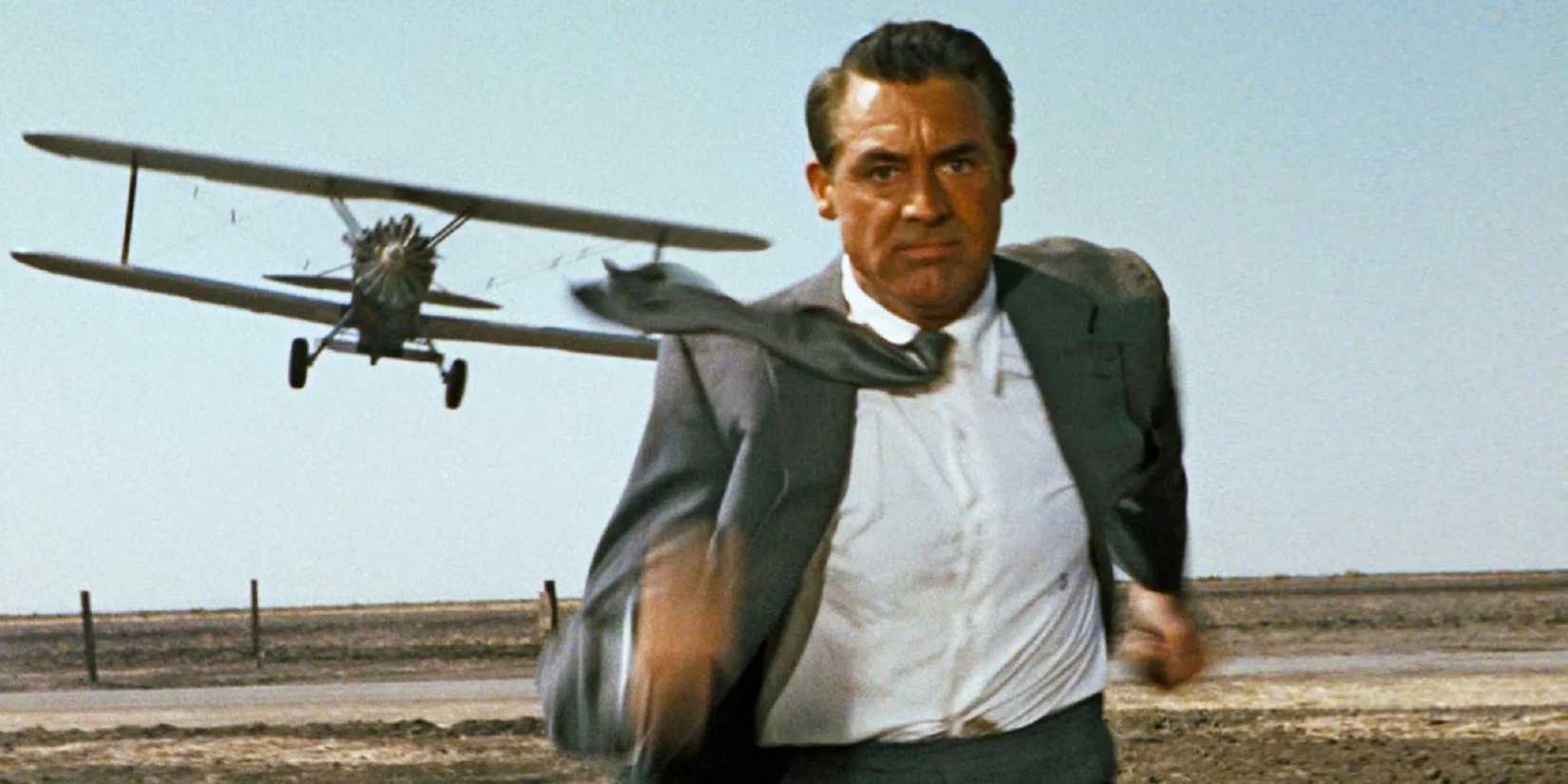
Alfred Hitchcock is widely regarded as the Master of Suspense, and that's all thanks to masterpieces like North by Northwest, one of the director's most idiosyncratic and unique films. It's an action-adventure classic that's among the most perfect cat-and-mouse thriller movies ever made, written by Ernest Lehman as "the Hitchcock picture to end all Hitchcock pictures." There aren't many cinephiles who would say he failed in that endeavor.
On the one hand, North by Northwest is easily one of Hitchcock's most entertaining films, full of iconic set pieces and bolstered by Cary Grant's timeless lead performance. On top of that, the way the film builds suspense, toys around with the "wrong man" trope (one that Hitchcock helped popularize and re-define), and balances witty humor with dramatic tension makes it one of the greatest thrillers of the entire 20th century.
7 'Vertigo' (1958)
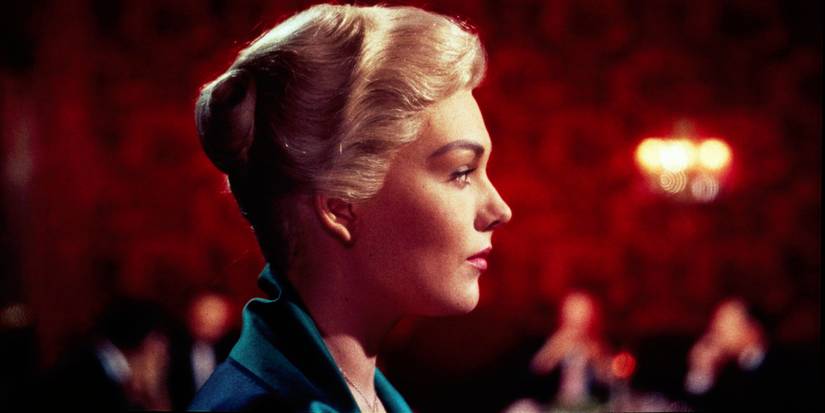
Who, if not Hitchcock, could possibly be worthy of being counted not just once, but twice when talking about the greatest thriller films of Hollywood's Classical period? And which Hitchcock masterpiece, if not Vertigo—his magnum opus, according to a good number of his fans—, could possibly be more deserving of being counted among the greatest thrillers ever made?
Vertigo is one of the heaviest psychological thriller movies ever, aggressively pushing the limits imposed by the Hays Code with its complex themes, narrative structure, and dark tone. This is no standard mystery thriller, but rather a masterfully character-driven drama about obsession and grief and a powerfully metatextual masterpiece about the desire to control reality, directed by one of the most notorious creative control freaks in the history of Hollywood.
6 'Witness for the Prosecution' (1957)

Billy Wilder was a filmmaker far ahead of his time, an auteur who was always entirely unafraid of challenging the Hays Code and the rest of the guidelines set throughout Hollywood's Golden Age. Few cinematic gems display his quality as a director better than Witness for the Prosecution, a courtroom melodrama based on the play of the same name by Agatha Christie.
One of the best legal thriller movies of all time, Witness of the Prosecution incorporates elements of noir, dark comedy, and mystery thriller into its narrative in order to deliver a powerful tale about justice and loyalty. Witty, delectably twisty, impeccably directed by one of the best filmmakers in Golden-Age Hollywood history, and complete with some of the best acting performances of the era, it's a must-see for all fans of old-school Hollywood thrillers.
Collider Exclusive · Oscar Best Picture Quiz
Which Oscar Best Picture
Is Your Perfect Movie?
Parasite · Everything Everywhere · Oppenheimer · Birdman · No Country
Five Oscar Best Picture winners. Five completely different visions of what cinema can be — and what it can do to you. One of them is the film that was made for the way your mind works. Ten questions will figure out which one.
🪜Parasite
🌀Everything Everywhere
☢️Oppenheimer
🐦Birdman
🪙No Country for Old Men
01
What kind of film experience do you actually want? The best movies don't just entertain — they leave something behind.
02
Which idea grabs you most in a film? Great films are driven by a central obsession. What's yours?
03
How do you like your story told? Form is content. The way a story is shaped changes what it means.
04
What makes a truly great antagonist? The opposition defines the protagonist. What kind of opposition fascinates you?
05
What do you want from a film's ending? The final note is the one that lingers. What do you want it to sound like?
06
Which setting pulls you in most? Where a film takes place shapes everything — mood, stakes, what's even possible.
07
What cinematic craft impresses you most? Every great film has a signature — a technical or artistic element that makes it unmistakable.
08
What kind of main character do you root for? The protagonist is the lens. Who you choose to follow says something about you.
09
How do you feel about a film that takes its time? Pace is a choice. Some films sprint; others let tension accumulate slowly, deliberately.
10
What do you want to feel walking out of the cinema? The best films leave a mark. What kind of mark do you want?
The Academy Has Decided Your Perfect Film Is…
Your answers have pointed to one Oscar Best Picture winner above all others. This is the film that was made for the way your mind works.
Parasite
You are drawn to films that operate on multiple levels simultaneously — that begin in one genre and quietly, brilliantly migrate into another. Bong Joon-ho's Parasite is a film about class, desire, and the architecture of inequality that manages to be darkly funny, deeply suspenseful, and genuinely shocking across a single extraordinary running time. Your instinct is for cinema that hides its true intentions until the moment it's ready to reveal them. Parasite is exactly that — a film that rewards close attention and punishes assumptions, right up to its devastating final image.
Everything Everywhere All at Once
You want it all — and this film gives you all of it. The Daniels' Everything Everywhere All at Once is one of the most maximalist films ever made: action comedy, multiverse sci-fi, family drama, existential crisis, and a genuinely earned emotional core that sneaks up on you amid the chaos. You are someone who responds to ambition, who doesn't want cinema to choose between being entertaining and being meaningful. This film refuses that choice entirely. It is overwhelming by design, and its overwhelming nature is precisely the point — because the feeling of being crushed by infinite possibility is exactly what it's about.
Oppenheimer
You are drawn to cinema on a grand scale — films that understand history not as a backdrop but as a force, and that place their characters inside that force and watch what happens. Christopher Nolan's Oppenheimer is a film about the terrifying gap between what we can do and what we should do, told with the full weight of one of the most consequential moments in human history behind it. You want your films to feel important without feeling self-important — to earn their ambition through sheer craft and the gravity of their subject. Oppenheimer does exactly that. It is enormous, complicated, and refuses easy comfort.
Birdman
You are drawn to films that foreground their own construction — that make the how of the filmmaking part of the what it's about. Alejandro González Iñárritu's Birdman, shot to appear as a single continuous take, is cinema examining itself through the cracked mirror of a fading actor's ego. You respond to formal daring, to the feeling that a film is doing something that probably shouldn't be possible. Michael Keaton's performance and Emmanuel Lubezki's restless camera create something genuinely unlike anything else — a film that is simultaneously about creativity, relevance, self-destruction, and the impossibility of ever truly knowing if your work means anything at all.
No Country for Old Men
You are drawn to cinema that trusts silence, that refuses to explain itself, and that treats dread as a form of meaning. The Coen Brothers' No Country for Old Men is a film about the arrival of a new kind of evil — implacable, arbitrary, and utterly indifferent to the moral frameworks we use to make sense of the world. It is one of the most formally controlled films ever made, and its controlled restraint is what makes it so terrifying. You want your films to haunt you, not comfort you. You are not interested in resolution if resolution would be dishonest. No Country for Old Men is honest in a way that most cinema never dares to be.
5 'The Third Man' (1949)

The British-American Carol Reed masterpiece The Third Man is one of the best noir thrillers of the last 80 years, visually inspired by the German Expressionist movement and intensely similar in tone and atmosphere to the films directed by star Orson Welles. It's far and away one of the greatest dramas of the post-WWII era, which produced several of the best movies of Hollywood's Golden Age.
On the one hand, there's the film's groundbreaking visual style, blending a gleeful amount of Dutch angles with a delightful black-and-white aesthetic. On the other hand, there's the gritty post-war realism that makes this one of the most essential cornerstones of the era's cinematic production. And on the third hand of this mutated metaphor, there's the impeccable, morally complex writing that further makes this one of its time's greatest classics.
4 'The Night of the Hunter' (1955)

Actor Charles Laughton decided to sit in the director's chair for the first time to make The Night of the Hunter. Alas, the film was an all-out critical and commercial failure, leaving Laughton heartbroken and discouraging him from ever directing a movie again. Today, that's seen as one of the biggest tragedies in the history of Classical Hollywood; because today, The Night of the Hunter is widely recognized as one of the greatest thriller films to have ever come out of the United States.
One of those 1950s classics that only keep getting better, Night of the Hunter is part psychological thriller, part horror drama, and part noir gem, working equally well in all of those dimensions. Blending hugely expressionistic visuals, one of Golden-Age Hollywood's most memorable villains, exceptional performances, and timeless thematic meditations, it has aged as one of the best films of the '50s.
3 'Double Indemnity' (1944)
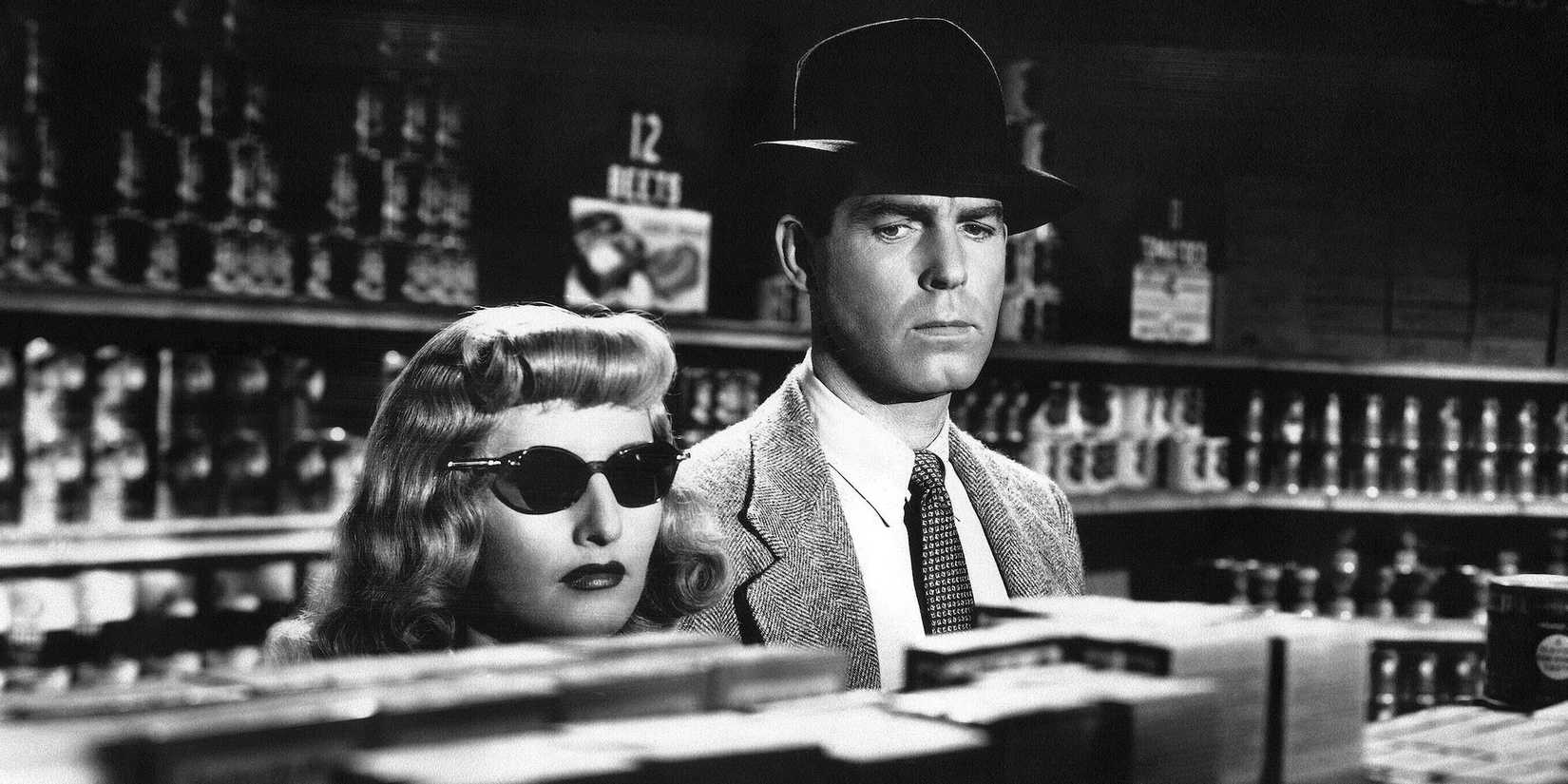
Who, if not Billy Wilder, could possibly be behind the film that's generally recognized as the greatest noir film of Hollywood's Golden Age? It is, of course, Double Indemnity, co-written by Wilder and Raymond Chandler and based on James M. Cain's hard-boiled novel of the same name. It's pulpy filmmaking at its most irresistibly entertaining, and easily one of the best film noir masterpieces of the 1940s.
There are a myriad of reasons why Double Indemnity is considered the gold standard of both film noir and hard-boiled mystery thrillers, from its stunning visuals to its perfectly-paced narrative to its having the most legendary femme fatale in film history. Well-acted, well-written, and flawlessly directed by Wilder at his very best, it's a must-see for all those who care to understand and appreciate Classical Hollywood cinema.
2 'Rear Window' (1954)
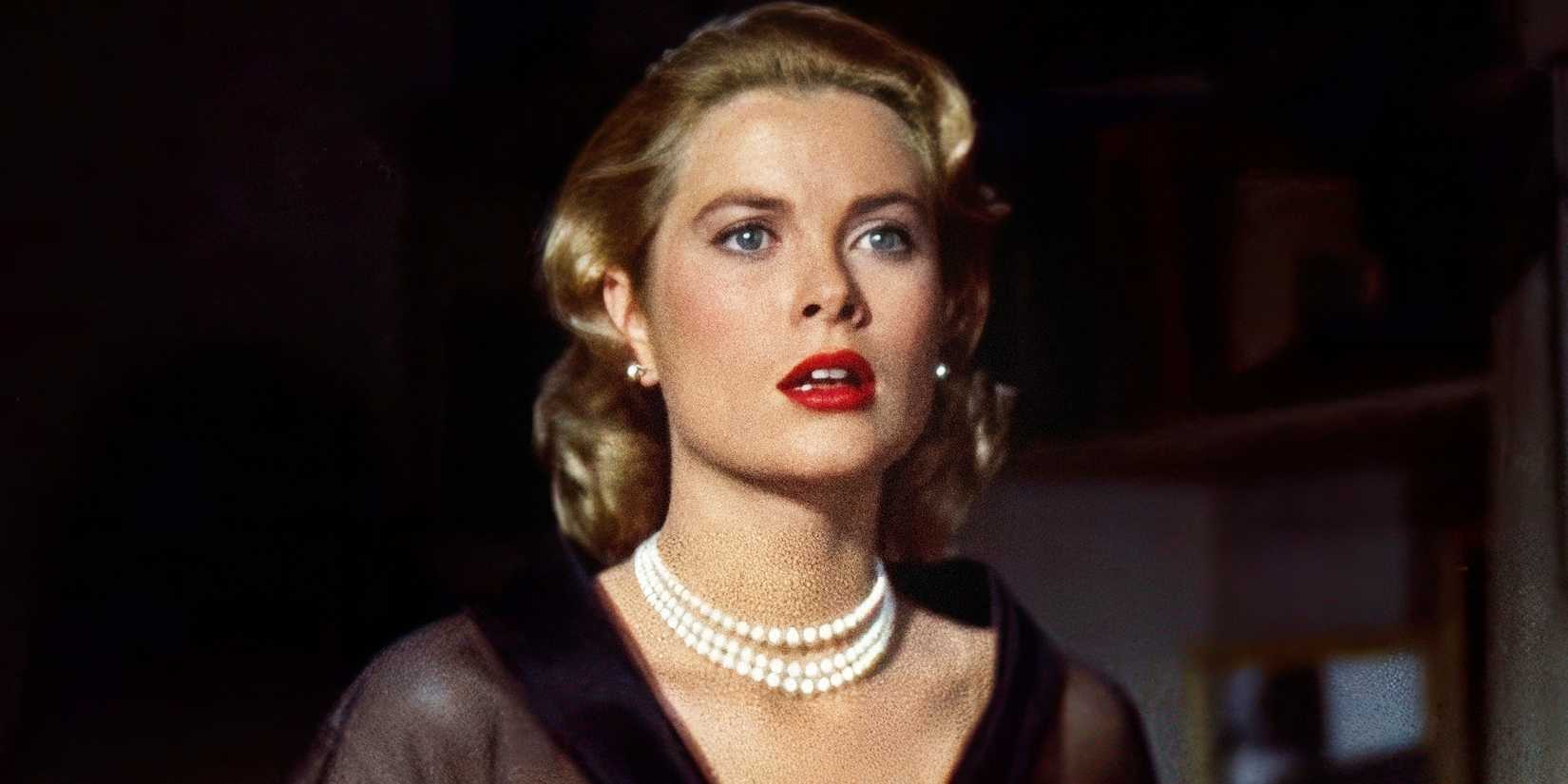
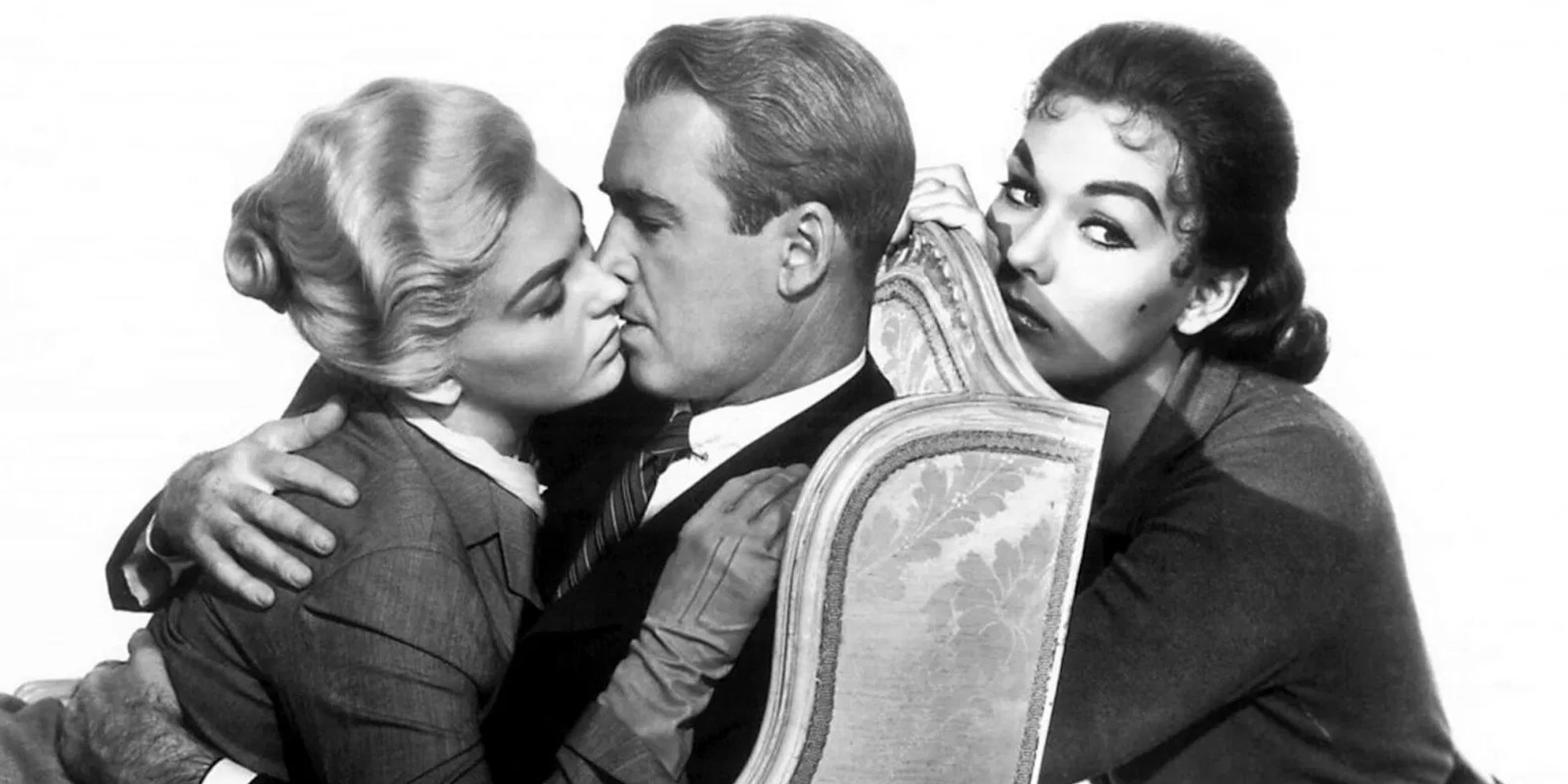
There are those who may point to Rear Window, based on Cornell Woolrich's short story It Had to Be Murder, as their favorite Alfred Hitchcock movie, and for good reason. It really is one of the most suspenseful thriller movies ever made, a masterpiece which proves that even when confined to a single location, well-made thrillers can still ooze pure tension and suspense right through the screen.
What's not to love about Rear Window? Jimmy Stewart and Grace Kelly's performances aree perfect, the pacing is engrossing, Hitchcock's mastery over camerawork and tone is absolute, and the story is nothing if not deeply compelling from opening scene to credits. There has never been any thriller filmmaker quite like Hitchcock, and few movies demonstrate why better than Rear Window.
1 'Psycho' (1960)

It had to be Hitchcock. If there's any one genre that was absolutely dominated by the Master of Suspense throughout the entirety of Hollywood's Golden Age—and even beyond—, it was undoubtedly thrillers. And as far as thrillers from Hollywood's Classical period go, it doesn't get much more culturally impactful, hugely influential, or high-quality than Psycho, based on the novel by Robert Bloch.
One of the best psychological thriller movies of all time, Psycho is a horror masterpiece that completely revolutionized every genre that it can be labeled with. It also happens to be a groundbreaking work of subversive art that could have only possibly been made right at the very end of Hollywood's Golden Age, because there is no way that Hitchcock could have gotten away with things like the middle plot twist, grim tone, or provocative ending anytime before. As such, Psycho is easily the greatest and most essential classic American thriller.
KioskNews shows a cleaned-up reading view extracted from the publisher’s page — the original always lives on their site, not ours.