12 Bleakest Movies Of All Time, Ranked


Senior Music Editor at Screen Rant, Sarah's love of sound and story drive the beat. A globetrotting brand whisperer and award-winning journalist, she’s built cross-cultural narratives around the world—but music has always been her true north. She launched DJ Mag North America, successfully introducing the iconic UK brand to the U.S. market. Previously, she carved a space for EDM inside the pages of VIBE, blending electronic and hip-hop culture long before it was trendy.
Summary
- Bleak films deny consolation, leaving viewers with lingering, unresolved hopelessness.
- They inflict emotional punishment by showing inevitable ruin: war, addiction, abuse, apocalypse.
- Many are transcendent art but warn: watching once may be more than you can bear.
There's a difference between a movie that makes you cry and one that sends you home wondering why hope seemed reasonable in the first place. The bleakest films refuse the consolation most stories provide. By the time the credits roll, you aren't waiting for justice. You've accepted that it may never arrive.
Cinema has an extraordinary capacity to make audiences uncomfortable, but despair is considerably harder to convey than fear. The greatest survival horror movies generally give their characters something to fight, even when the odds are impossible. Bleak movies are often crueler because their characters have nowhere left to turn.
Darren Aronofsky's Requiem for a Dream is perhaps the most recognizable example. Its portrayal of addiction is so punishing that finishing the movie can feel like an achievement. Yet the devastation of Come and See, the suffocating hopelessness of Threads, and the unbearable grief of Manchester by the Sea demonstrate how differently filmmakers can approach human suffering.
Some of these stories unfold during war, while others concern entirely ordinary people whose lives become impossible to repair. Even the movies that are too upsetting to watch twice can occasionally offer emotional resolution. The films here are distinguished by how little relief they provide.
This ranking considers the inevitability of each character's circumstances, the emotional punishment inflicted on viewers, and the lingering sense of hopelessness. Several are extraordinary artistic achievements, although recommending them comes with a peculiar warning: watching them once might be more than enough.
12 Manchester By The Sea

Kenneth Lonergan's Manchester by the Sea follows Lee Chandler (Casey Affleck), a withdrawn Massachusetts handyman forced to return to his hometown following his brother's death. Lee becomes responsible for his teenage nephew, Patrick (Lucas Hedges), while confronting a devastating personal tragedy that has left him emotionally paralyzed. Michelle Williams delivers an equally heartbreaking performance as his former wife, Randi.
Most films about grief eventually offer their characters some measure of healing. Lonergan understands that certain experiences change people permanently, regardless of how much time passes. Affleck's Academy Award-winning performance is particularly affecting because Lee recognizes his limitations without knowing how to overcome them. There are moments of humor and tenderness, but the film refuses to pretend that every wound can heal.
11 Never Let Me Go

Adapted from Kazuo Ishiguro's acclaimed novel, Never Let Me Go stars Carey Mulligan, Andrew Garfield, and Keira Knightley as three friends raised in an unusual English boarding school. Their seemingly ordinary childhood conceals a horrifying truth about their purpose in society. Director Mark Romanek gradually reveals a world in which certain human lives have been deemed expendable.
The film is especially bleak because its characters rarely challenge the terrible system governing their existence. Their acceptance of an apparently unavoidable fate becomes more disturbing than any violent rebellion could have been. Mulligan's restrained performance lends enormous emotional weight to a story about love, mortality, and the cruelty of false hope. Few science fiction movies have presented such a devastating vision of humanity with so little spectacle.
10 The Road

Viggo Mortensen plays a father struggling to keep his young son alive in John Hillcoat's adaptation of Cormac McCarthy's Pulitzer Prize-winning novel. An unexplained catastrophe has devastated civilization, leaving the survivors desperate for food and increasingly willing to commit atrocities. The father and son travel through an almost colorless landscape where every encounter with another person presents a potential threat.
Unlike the heroes of many great wilderness survival movies, these characters have no realistic prospect of returning to their former lives. Survival itself has become a miserable achievement. Mortensen's performance conveys the terrible burden of trying to protect a child's innocence when the surrounding world has abandoned almost every recognizable moral principle. The faint possibility of human goodness only makes the overwhelming despair more painful.
9 Melancholia
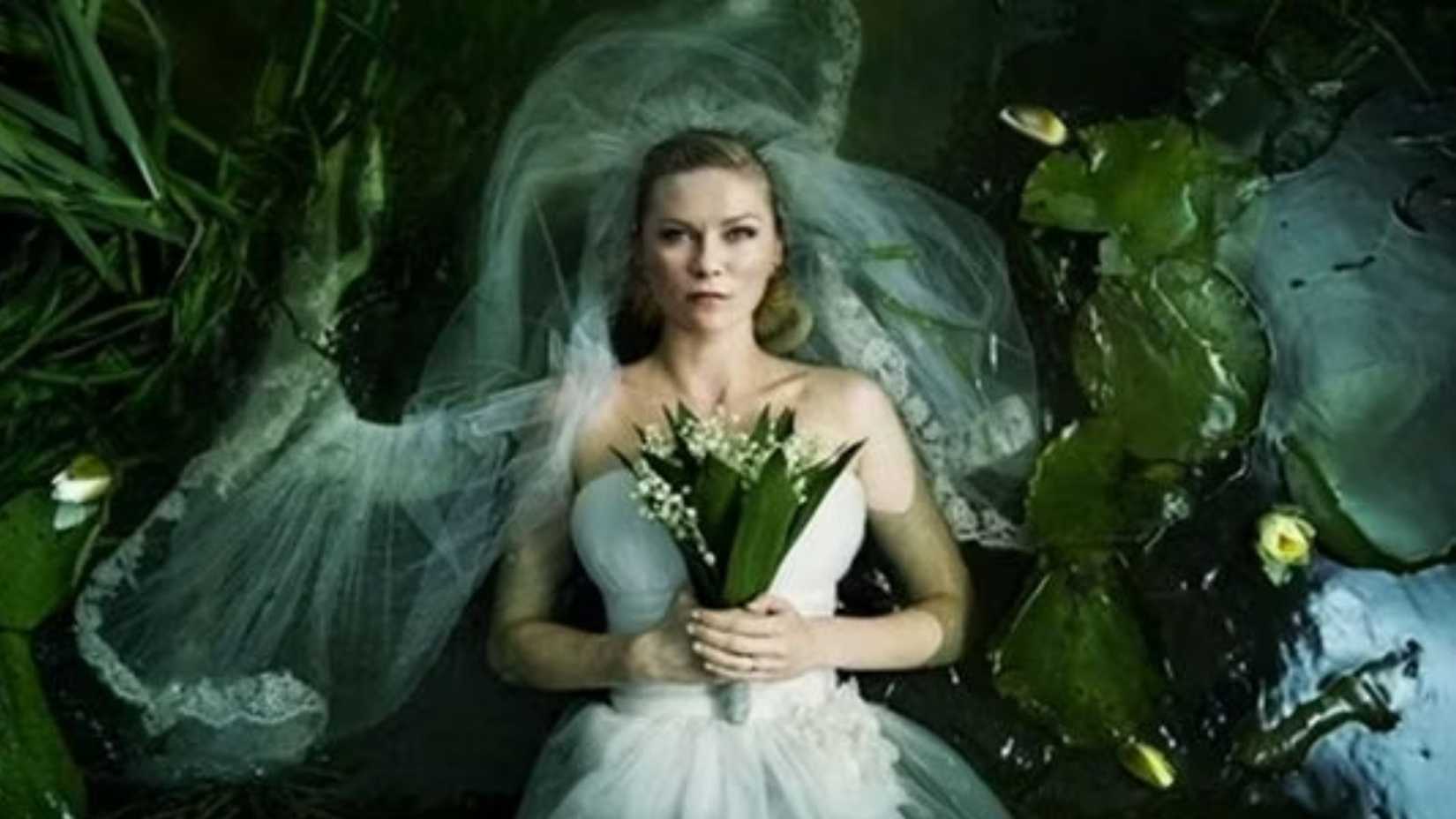
Lars von Trier begins Melancholia with a spectacular vision of Earth's destruction, leaving audiences in little doubt about where the story is heading. Kirsten Dunst stars as Justine, a woman experiencing severe depression during her lavish wedding celebrations. Her relationship with her sister Claire (Charlotte Gainsbourg) becomes increasingly important as a mysterious planet approaches Earth.
Knowing the potential outcome changes the way every subsequent scene unfolds. Von Trier contrasts Justine's emotional detachment with Claire's growing terror, asking whether someone accustomed to despair might be better equipped to confront the end of everything. The film's extraordinary imagery gives the approaching catastrophe an almost hypnotic beauty. As explored in movies where the world actually ends, apocalypse can make for compelling cinema, but Melancholia offers little comfort in humanity's final moments.
Question 1 of 3
8 The Mist

Frank Darabont's adaptation of Stephen King's The Mist follows a group of townspeople trapped inside a supermarket after an unnatural fog envelops their community. Thomas Jane plays David Drayton, a father attempting to protect his young son while terrifying creatures lurk outside. Unfortunately, the increasingly desperate survivors discover that the people sheltering alongside them can become equally dangerous.
Darabont's film earns its place among the best Stephen King movie adaptations of the last 25 years, particularly because it transforms a compelling monster story into an examination of human desperation. Religious fanaticism and fear gradually destroy the group's fragile sense of solidarity. The ending is notoriously devastating, turning what might have been a conventional survival horror movie into an experience that offers almost no emotional escape.
7 Lilya 4-Ever
Lukas Moodysson's Lilya 4-ever follows a 16-year-old girl abandoned by her mother in a struggling former Soviet community. Oksana Akinshina gives a remarkable performance as Lilya, whose desperate circumstances leave her vulnerable to people offering promises of a better life. Those promises lead to exploitation and a horrifying loss of personal freedom.
There is something particularly unbearable about watching a young person repeatedly punished for trusting people who appear willing to help. Moodysson approaches Lilya's circumstances with painful intimacy, making every small moment of happiness feel increasingly fragile. The film confronts human trafficking and the exploitation of vulnerable children without allowing audiences the reassurance of an easy resolution. Its relentless cruelty makes it one of the most emotionally punishing European dramas of the 21st century.
6 Grave Of The Fireflies

Studio Ghibli is celebrated for imaginative adventures and unforgettable characters, but Isao Takahata's Grave of the Fireflies occupies an altogether darker corner of the studio's history. Set in Japan during the final months of World War II, the animated drama follows teenage Seita and his little sister, Setsuko, as they struggle to survive after losing their home.
Takahata finds heartbreaking tenderness in the siblings' relationship, making their deteriorating circumstances almost unbearable to witness. The film's depiction of hunger and abandonment strips away any romanticism surrounding wartime endurance. Widely considered one of Studio Ghibli's most heartbreaking films, Grave of the Fireflies demonstrates that animation can communicate historical suffering with extraordinary emotional force. Its devastating impact comes from understanding how little control these children have over their fate.
5 Dancer In The Dark

Björk delivers an astonishing performance in Lars von Trier's Dancer in the Dark as Selma, a Czech immigrant working in an American factory while gradually losing her eyesight. Determined to prevent her young son from inheriting the same condition, Selma saves money for his medical treatment. Her imagination provides temporary relief, transforming ordinary surroundings into elaborate musical sequences.
The contrast between Selma's colorful fantasies and her increasingly desperate reality makes the film especially difficult to endure. Each musical number briefly offers the freedom that her circumstances systematically deny her. Von Trier pushes his protagonist toward an exceptionally cruel conclusion, testing the audience's capacity for emotional punishment. Björk's vulnerable performance gives the tragedy enormous weight, while the film's treatment of sacrifice and injustice makes its final moments almost unbearable.
4 Dear Zachary: A Letter To A Son About His Father
Kurt Kuenne originally began making Dear Zachary as a tribute to his murdered childhood friend, Andrew Bagby. The filmmaker interviewed Andrew's loved ones, collecting memories intended for the son Andrew would never have the opportunity to raise. What began as a deeply personal project gradually developed into an investigation of the circumstances surrounding his friend's death and the failures of the Canadian justice system.
Revealing too much about the documentary would diminish its devastating impact. What can be said is that Kuenne's intimate approach makes the audience feel unusually close to the people involved. Unlike fictional tragedies, the suffering here cannot be dismissed as a screenwriter's invention. The documentary's heartbreaking conclusion is made even more painful by the knowledge that its subjects must continue living with the consequences long after the cameras stop recording.
3 Come And See

Elem Klimov's Come and See follows Florya, a teenage Belarusian boy who joins Soviet partisans during the Nazi occupation of his homeland in World War II. Initially excited by the prospect of participating in the resistance, Florya gradually confronts the unimaginable brutality inflicted upon civilians. Aleksei Kravchenko's extraordinary central performance captures the physical and psychological destruction of childhood innocence.
Klimov's approach to warfare rejects the comforting conventions of heroic military cinema. His unsettling sound design and relentless imagery immerse the audience in Florya's increasingly fractured perception of reality. The atrocities depicted become almost impossible to comprehend, yet their historical foundations make the experience even more disturbing. Among cinema's most horrific depictions of war, few films convey such complete moral and psychological devastation.
KioskNews shows a cleaned-up reading view extracted from the publisher’s page — the original always lives on their site, not ours.