10 Greatest Stan Lee Quotes

Emedo Ashibeze is a tenured journalist and critic specializing in the entertainment industry. Before joining ScreenRant in 2025. he wrote for several major publications, including GameRant.
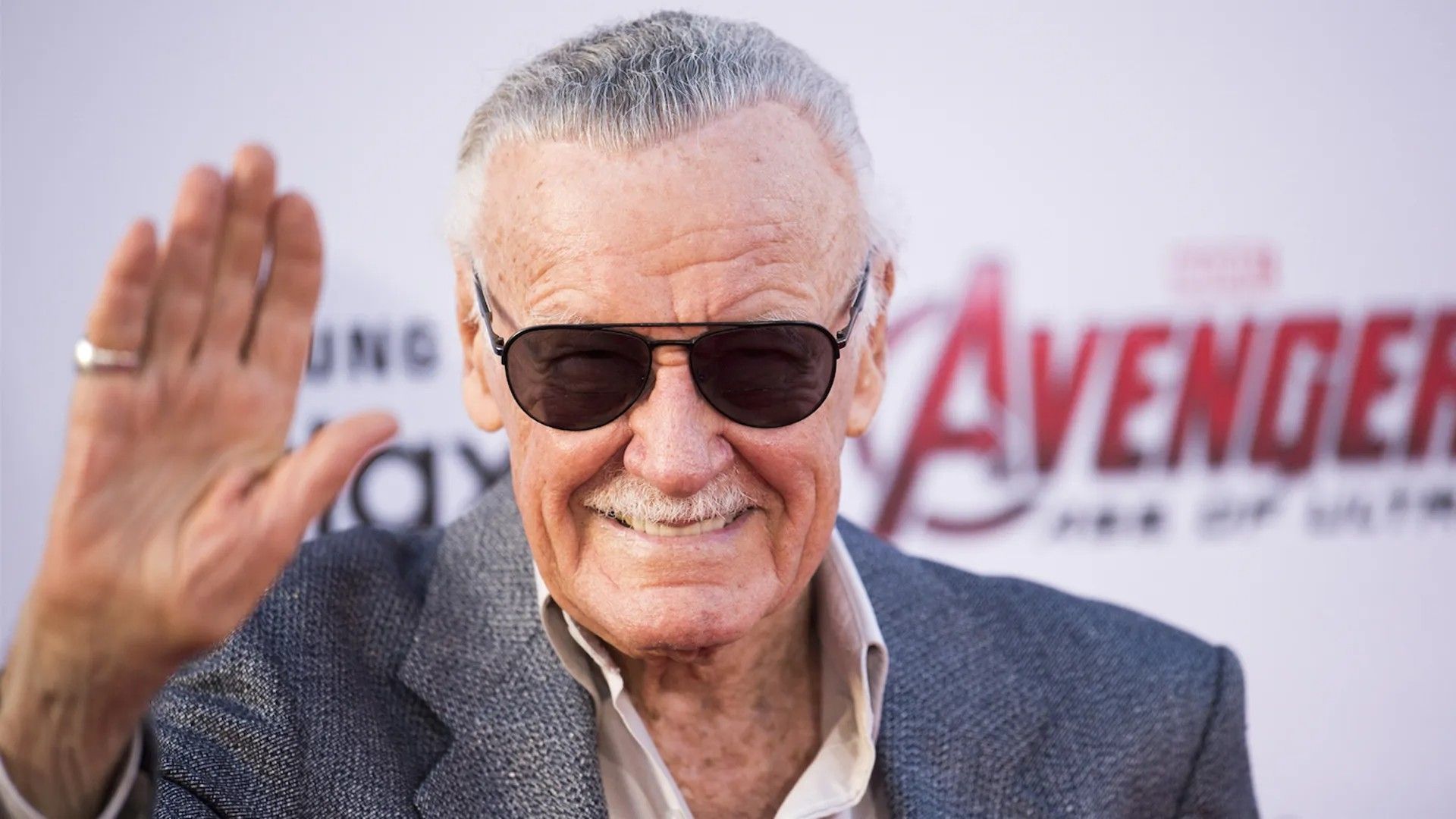
Stan Lee was one of the most influential writers in comic book history, helping shape Marvel into a publishing powerhouse through his work on some of its most iconic heroes. Beyond creating memorable characters and stories, he also became known for his energetic personality, distinctive sense of humor, and memorable observations about comics and life.
His words often reflected the same qualities that made his stories so appealing, touching on creativity, responsibility, entertainment, and many more relevant subjects. Through interviews, public appearances, and other sources, many of his personal quotes have been publicized for all to see and draw on. Together, they provide a fascinating look at the man behind Marvel’s most recognizable characters.
10 “The human race needs superheroes”

Stan Lee’s remark that “the human race needs superheroes” came from a 1970 interview with journalist Mike Bourne for Changes magazine. Lee was responding to the idea that comic-book readers could always count on a hero to appear when disaster struck, something that had no true equivalent in real life.
He explained that people are often driven to create heroes when they have no real figure who can confront seemingly impossible problems. He emphasized the very real impact even fictional characters can have on humanity, as they can push people from all walks of life to do great things despite their fictitious existence.
9 “Sooner or later, if man is ever to be worthy of his destiny, we must fill our hearts with tolerance.”

In his December 1968 “Stan’s Soapbox” column, Stan Lee publicly addressed social prejudice, explaining that people had no reason to condemn entire races, nations, or religions because of individual actions. He ultimately urged readers toward tolerance, writing, “Sooner or later, if man is ever to be worthy of his destiny, we must fill our hearts with tolerance.”
The quote remains especially powerful because he frames tolerance as essential to humanity’s future rather than a simple virtue. Its sweeping language gives the statement massive weight, particularly by referencing mankind’s destiny, which turns a familiar call for acceptance into a challenge needed to become deserving of one’s full potential.
8 “For years, kids have been asking me what’s the greatest superpower. I always say luck.”

Stan Lee offered a surprisingly simple answer when asked about the greatest superpower, recalling that children had asked him the question for years. Rather than choosing super-strength, flight, or another familiar ability, he pointed to luck. For someone responsible for devising some of the most famous superpowers known today, it came out as a somewhat peculiar answer.
He went on to expand on the point, noting that luck affects virtually every part of life and is a factor regular people can easily relate to. Luck may not be the most glamorous ability, yet it can determine whether opportunities appear, plans succeed, or obstacles are avoided, and it plays a big part in every individual’s life.
7 “America is made of different races and different religions, but we’re all co-travelers on the spaceship Earth and must respect and help each other along the way.”

Stan Lee made this comment while promoting his Hands of Respect initiative in 2016, a campaign that encouraged mutual respect between people from different backgrounds. He pointed to America’s racial and religious diversity before widening the idea to the entire planet, declaring that “we’re all co-travelers on the spaceship Earth” who must respect and help one another.
The imagery gives the quote much of its strength, as Lee compares humanity to passengers sharing one vessel with nowhere else to go. He stresses that differences in race or religion are secondary to a shared existence, and that thorough, loving cooperation is needed to coexist peacefully aboard the planetary spacecraft.
6 “You can spin the greatest story in the world, but if the reader doesn’t care about the hero, none of it matters.”

Stan Lee made this observation during a 1996 interview with Western comics writer Troy D. Smith, while discussing a specific element he tried to maintain across his stories. He explained that, regardless of genre, he wanted his characters to feel realistic enough for readers to become invested in them. The philosophy reflects his strong belief about what makes storytelling work.
It reflects his willingness to place characterization above spectacle, plot, or even the story’s quality, which holds a lot of truth given how much readers value his characters today. A brilliant narrative can still fail if its central figure inspires no emotional connection, while a flawed story can remain memorable when readers genuinely care about its heroes.
5 “To me, any new idea is worth exploring”
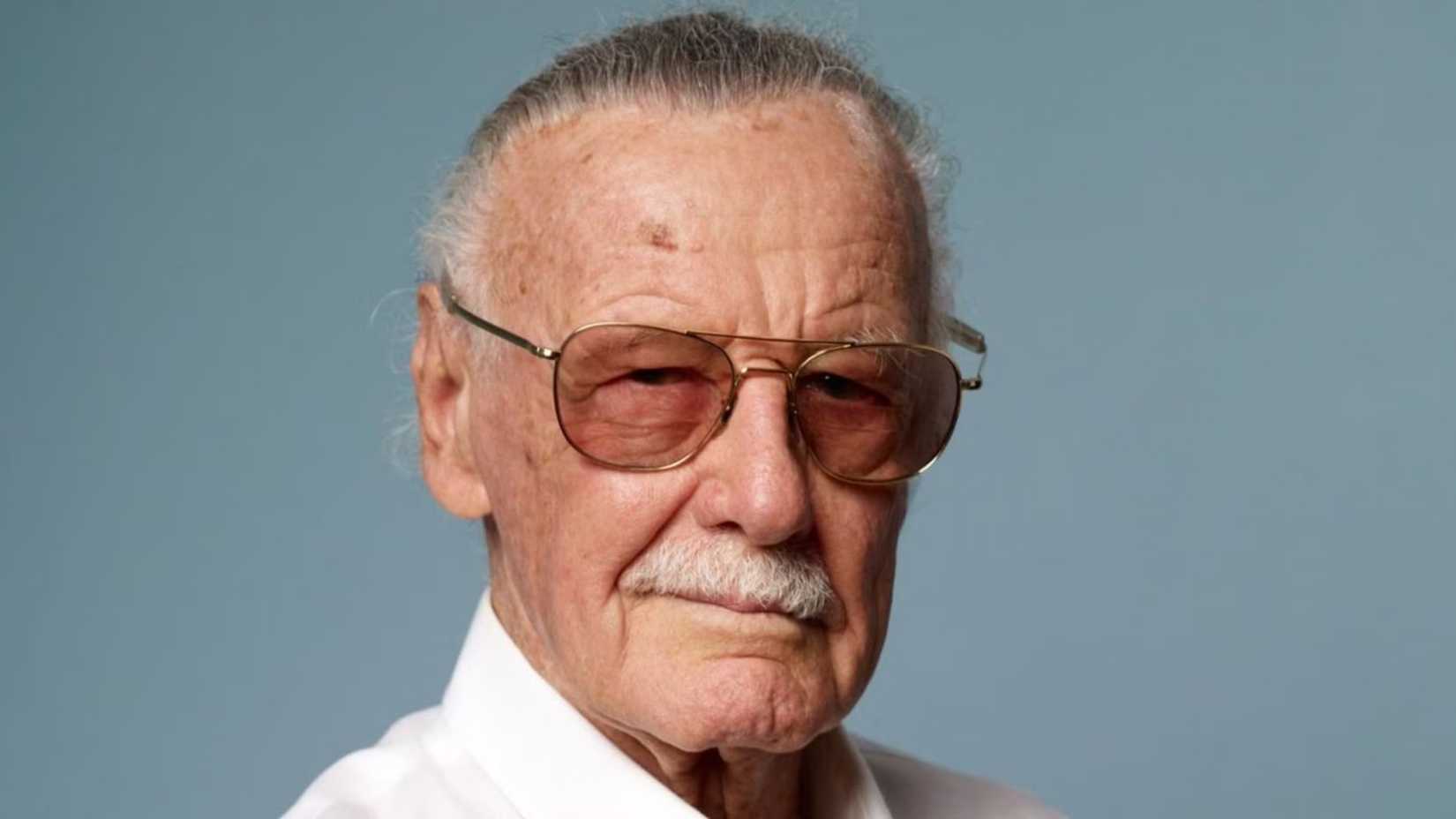
Stan Lee used this quote to describe his approach to Marvel’s constantly changing stories in a 1968 interview with journalist Ted White. He explained that the company had deliberately moved away from familiar superhero formulas with titles like Fantastic Four, and that he welcomed further experimentation, whether it be from him or his co-creators.
He consciously chose not to limit where their creativity could lead, even admitting that a bad new idea might be preferable to staying trapped in a formula. His willingness to embrace uncertainty was particularly important at Marvel, where he wanted different series to develop their own identities instead of repeatedly following the same established approach.
4 “Entertainment is one of the most important things in people’s lives.”

Stan Lee once admitted that he initially felt embarrassed about being a comic-book writer while others pursued respected careers he considered more serious. His perspective eventually changed as he recognized the value of his work, culminating in the quote, “Entertainment is one of the most important things in people’s lives.”
He ascribes entertainment a genuine purpose instead of treating it as something people simply consume for amusement. He highlights that stories can offer relief from difficult circumstances and provide people with happiness when they need it most. Coming from someone who spent his career creating comics, the statement also serves as a strong defense of the medium specifically.
3 “A superhero without a great villain is like a day without sunshine.”

Stan Lee shared this line in a 2012 interview with TIME while discussing villains he enjoyed most. When asked whether he had a favorite, he said he loved them all, then compared a superhero without a great villain to a day without sunshine. Although it was a playful analogy, it showed how important he believed opposition was to compelling superheroes.
As sunshine is something people naturally associate with brightness and life, its absence in this context is immediately understandable. Stan Lee relates that feeling to superhero stories, suggesting that even the most impressive hero needs an adversary who can challenge and define them. Without that opposing force, the hero’s world loses much of its excitement and purpose.
2 "If you have an idea that you genuinely think is good, don’t let some idiot talk you out of it.”

Stan Lee shared this advice during his 2017 UCLA Extension graduation speech, where he famously recounted how Spider-Man nearly failed to get published. His publisher initially dismissed the character as a terrible idea, citing that spiders and teenage superheroes were a bad fit, but Lee used the final issue of Amazing Fantasy to introduce him anyway.
Spider-Man went on to become one of Marvel’s most recognizable characters despite the resistance surrounding his creation, acting as a fitting example of an idea surviving early criticism. He encourages creators to trust concepts they believe in rather than abandoning them because others don’t see their potential, and his words carry added weight because he spoke from personal experience.
1 “With great power comes great responsibility.”

Stan Lee’s “With great power comes great responsibility” quote first appeared in Spider-Man’s debut story, Amazing Fantasy #15, in 1962. Written as closing narration rather than regular dialogue, the line followed Peter Parker’s realization that his failure to stop a criminal had contributed to Uncle Ben’s death. Lee has subsequently uttered the phrase directly on other occasions.
The statement carries profound significance because it connects extraordinary abilities with an equally serious obligation to use them properly. Peter Parker’s origin gives the principle a deeply personal consequence, while its simplicity allows it to apply far beyond superheroes. It is one of the most iconic lines of all time, perfectly expressing the ideal relationship between power and duty.
KioskNews shows a cleaned-up reading view extracted from the publisher’s page — the original always lives on their site, not ours.