After 52 Years, One of the Biggest JRR Tolkien Stories Has Finally Been Disproved

Once head of Screen Rant's Star Wars coverage and co-lead of Superheroes, Tom Bacon now works with the movies and books teams. He's a lifelong fan of the fantasy and sci-fi genres, and loves franchises such as Doctor Who and Marvel. You can find him on Twitter @TomABacon, on LinkedIn @tabacon, or on Muckrack under tombacon.
Tom has a wide range of interests, and he continues to serve his university as a volunteer chaplain. He's heavily involved with his local church, and anyone who checks him out on Twitter will swiftly learn he's into British politics too.
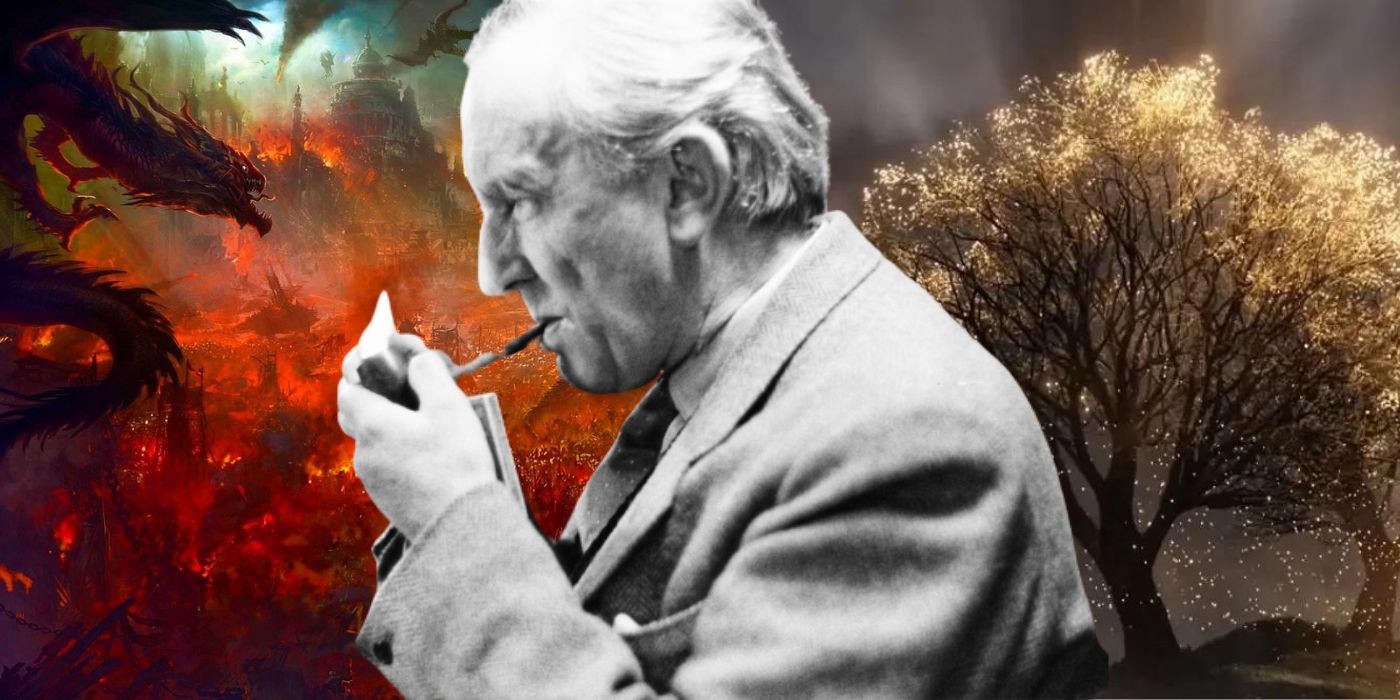
J.R.R. Tolkien and C.S. Lewis started out as the closest of friends. And yet, if rumors are to be believed, the two had a dramatic falling out over the Chronicles of Narnia. Lewis is sometimes said to have been "hurt, astonished, and discouraged" by Tolkien's reaction, while Tolkien is said to have "rejected" Narnia completely. As a lover of both Narnia and The Lord of the Rings, I grew up hearing these accounts. But it never occurred to me to fact-check them.
Fortunately, it did occur to researcher Holly Ordway. Misinformation may be a buzz-word in the modern world, but it isn't new, and she's dug through all the evidence of what really happened between Tolkien and Lewis. Her findings have been published in an excellent article published in Sehnsucht: The C.S. Lewis Journal, and she's pretty much shattered a 52-year consensus.
No, J.R.R. Tolkien Wasn't a Fan of Narnia

Tolkien and Lewis were the closest of friends, part of a circle known as the Inklings who shared their writings with one another. Given that. it's unsurprising to learn that Lewis shared the first couple of chapters of The Lion, the Witch and the Wardrobe with Tolkien. Neither gave a direct account, but they did talk about it with others in their circle. In March 1949, Lewis read the chapters to a group of friends at Magdalen College and admitted Tolkien was far from impressed.
"'I started it some time ago,' said Lewis, 'but it didn't work. There was no Aslan in it then. But just recently I saw how it ought to go, so I began again, and I can see it clearly right to the end. So I wrote these two chapters... But Tolkien doesn't like them... What do you really think?'"
One of those friends, Roger Lancelyn Green, chatted about this with Tolkien shortly afterward. "I hear you've been reading Jack's children's story," Tolkien said. "It really won't do, you know! I mean to say: 'Nymphs and their Ways, The Love-Life of a Faun.' Doesn't he know what he's talking about?" He was clearly referring to books on Mr. Tumnus' shelf (only one of these made it to the final draft).
Tolkien does seem to have kept up with Narnia for some time, because at one point he made a throwaway reference to a character in The Silver Chair. But, according to his biographers, he eventually stopped reading. In 1971, he wrote a letter both explaining his dislike and recommending the books.
"I am glad that you have discovered Narnia. These stories are deservedly very popular; but since you ask if I like them I am afraid the answer is No. I do not like 'allegory', and least of all religious allegory of this kind. But that is a difference of taste which we both recognized and did not interfere with our friendship."
Until now, I'd only ever heard part of that quote; Tolkien's admission that he didn't like Narnia. In reality, his take was more nuanced, and he was convinced his dislike of Narnia had no effect on his friendship with Lewis. What's more, he praises them as "deservedly very popular," even if they weren't his taste.
Why Did Tolkien Dislike Narnia?
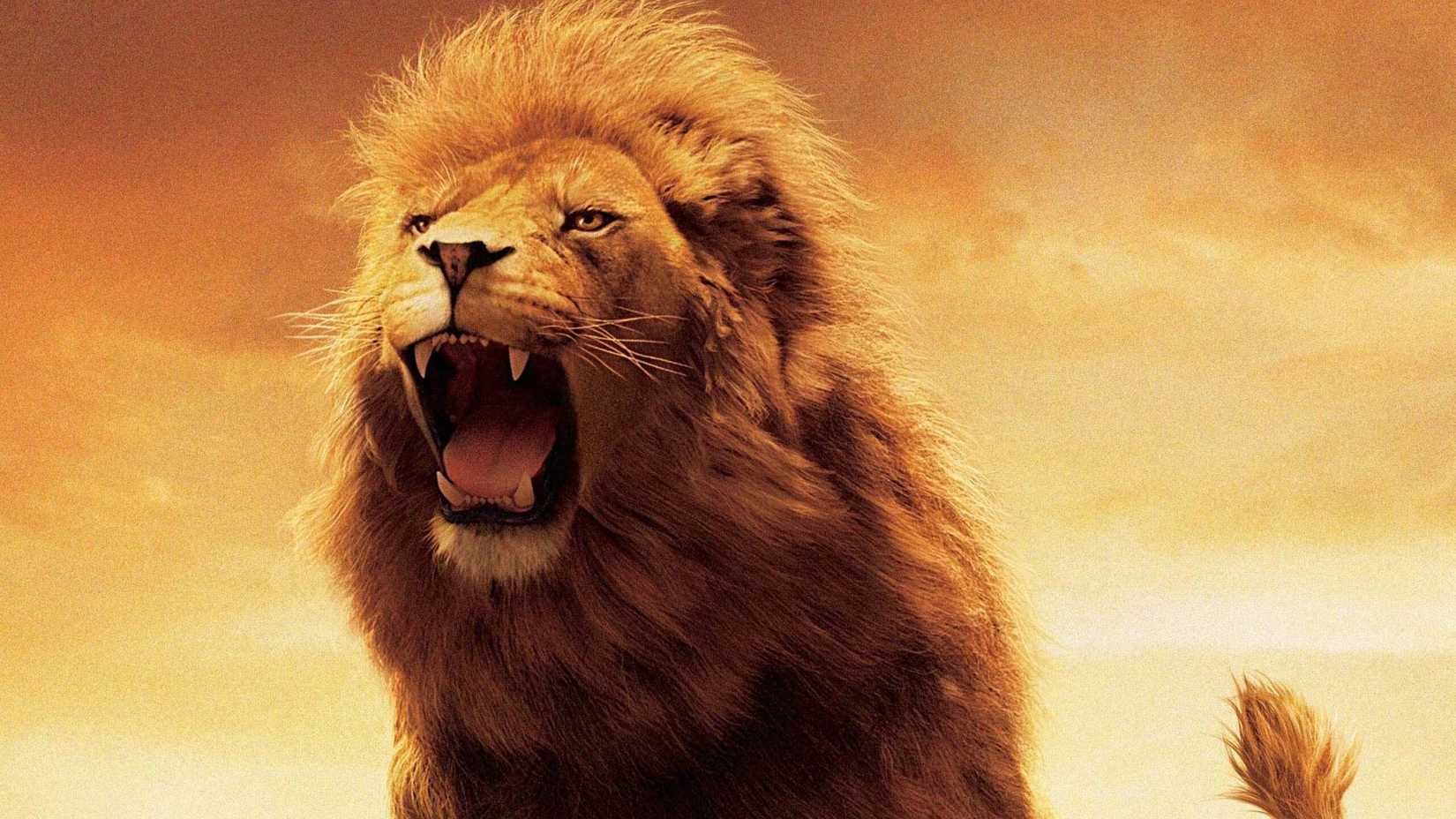
Tolkien doesn't actually mention Narnia all that much (which, again, likely suggests he didn't have too strong an opinion; he was no Narnia hater). That said, Ordway runs through all the different reasons biographers have said he disliked the books, and digs up solid evidence for two major ones. The first is that Tolkien simply didn't like the mix of mythology in Lewis' writings. To Tolkien, Aslan, fauns, the Ice Queen, Father Christmas, nymphs, and talking beavers just didn't sit together well.
The second was his dislike of allegory, especially religious allegory like Narnia. Compounding this, Lewis' whimsical style of fantasy was very different to Tolkien's, and Ordway finds evidence he found that approach a little offensive. But again, remember that Tolkien was willing to recommend these books and was glad when readers picked them up.
Why Has History Rewritten the Story of Lewis and Tolkien?

Ordway's fact-check certainly proves that misinformation isn't just a modern thing; it was happening long before the internet. But the pattern is strikingly familiar: two unconnected facts get pulled together, opinions exaggerated, and suddenly you have a completely false account. It's a matter of history that Lewis and Tolkien's friendship cooled, with Lewis moving away and building new friendships. "We saw less and less of one another after he came under the dominant influence of Charles Williams," Tolkien wrote, "and still less after his very strange marriage."
Notice that Narnia wasn't mentioned in that list of reasons, though. That seems to have gradually woven its way in courtesy of biographers who joined the wrong dots, while their editorialization gradually rewrote Tolkien's opinion on Narnia. Take this 1977 account of Tolkien's first reaction:
"In 1949 Lewis began to read the first of them, The Lion, The Witch and the Wardrobe, aloud to Tolkien. It was received with a snort of contempt. 'It really won't do!' Tolkien told Roger Lancelyn Green. 'I mean to say; 'Nymphs and their Ways, The Love-Life of a Faun'!"
This seems to have been based on Green's memories, but Green never mentions anything about a "snort of contempt." It's exaggerated, perhaps innocently, and later biographers just built on this. Worse still, writers gradually went further, until later retellings don't even mention that this was to just the first few chapters of the first book. It's gradually turned into a "snort of contempt" for the entire Narnia story.
Part of the problem lies in Tolkien's own style. As Lewis himself said, "Tolkien's lively mind sometimes leads him (with perfectly innocent intentions) to overstate things," and you often find examples of Tolkien making an over-the-top assertion before quietly walking back the strength of it. Something like that seems to have happened with Narnia, because accounts of this conversation suggest he initially gave a strong response before basically admitting this just wasn't his taste.
I've seen a lot of fact-checks over the years. But I have to say that I never imagined needing to fact-check a supposed "fact" established based on a misreading of accounts dating all the way back to 1974. Ordway has done a fantastic job, completely rewriting our understanding of Tolkien's views on Narnia. It seems misinformation really isn't just a problem in the 21st century.
- TV Show(s)
- The Chronicles of Narnia
- Video Game(s)
- The Chronicles Of Narnia
- First Film
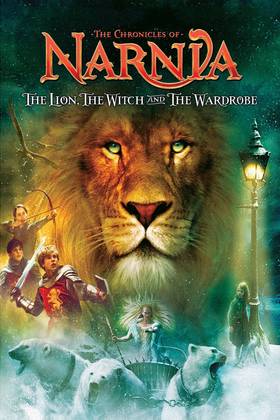
- The Chronicles of Narnia: The Lion, the Witch and the Wardrobe
- First TV Show
- The Chronicles of Narnia
- Cast
- Georgie Henley, William Moseley, Skandar Keynes, Anna Popplewell, Ben Barnes, Liam Neeson, Tilda Swinton, James McAvoy, Will Poulter, Simon Pegg
- Created by
- C.S. Lewis
KioskNews shows a cleaned-up reading view extracted from the publisher’s page — the original always lives on their site, not ours.