‘The only free thing is a bed’: hospital patients forced to pay as Malawi runs out of medicines
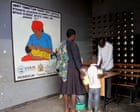
Two days into her stay at Salima district hospital, Maureen Msukwa is still waiting for a painkiller that the hospital pharmacy cannot provide. In the shade of the acacia trees outside the brick maternity block, dozens of relatives sit on woven mats among plastic buckets, cooking pots and basins of laundry.
Inside, Msukwa, 25, a pregnant mother from Kasache village in central Malawi, clutches a handwritten scrap of paper instructing her to buy paracetamol from a private vendor across the road.
“The only free thing here is a bed,” she says, sitting on the edge of the crowded ward. “Everything else demands that we spend from our own pockets.”
Across Salima, a fishing and farming district on the western shore of Lake Malawi, about 60 miles (100km) east of the capital, Lilongwe, a months-long shortage of essential medicines has left doctors, nurses and midwives operating without even basic supplies.
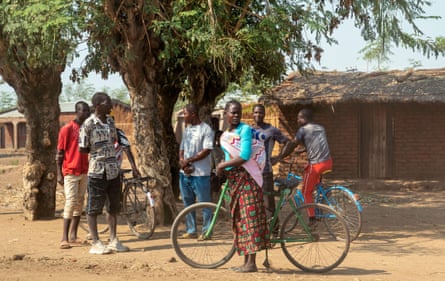
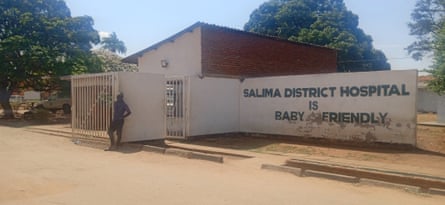
Serving a mostly rural population of more than 500,000 people, Salima hospital is the main public referral centre for emergencies across the district, yet frontline staff say it has been completely out of intravenous fluids for more than a week, while supplies of sterile gloves, painkillers, catheter bags and bandages have been depleted for up to three months.
The crisis in Salima has exposed the sharp edge of Malawi’s worst medical supply breakdown in more than a decade. While periodic shortages have long strained the country’s underfunded health system, nationwide availability of essential medicines has plunged to 40%, down from 77% in early 2025, with major referral hospitals dropping to as low as 18%, according to internal reporting from the state-run Central Medical Stores Trust (CMST).
Health analysts say public facilities have not experienced a collapse on this scale since 2013, when inherited debts and a major corruption scandal triggered an aid freeze by donors.
In a country where public healthcare is supposedly free at the point of use, the shortages are pushing the cost of treatment on to expectant mothers and patients.
Evelyn Jossam (not her real name), a 30-year-old nurse-midwife at the facility who requested anonymity, says: “You can imagine a woman arriving minutes away from giving birth, and we are forced to tell her relatives to run outside and buy supplies before we can safely assist.”
At night, when pharmacies along nearby Kamuzu Road are closed, staff work in constant dread, unsure whether enough gloves remain on the ward to handle an emergency delivery or to protect themselves from blood-borne infections.
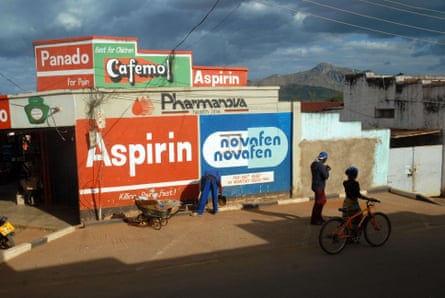
Even when families manage to buy supplies from private clinics or roadside kiosks, the items they bring back can frequently introduce new clinical hazards. Rather than buying individually sealed surgical gloves, cash-strapped relatives often return with loose, unsterile examination gloves packed in thin plastic bags.
“You have no idea how those gloves were stored, or whether the person selling them even washed their hands before putting them in a plastic bag,” Jossam says. “Using them on a mother in labour carries a high risk of severe sepsis, yet sometimes there is nothing else.”
Two weeks ago, Jossam says, a pregnant woman arrived with pre-eclampsia, a life-threatening complication marked by dangerously high blood pressure. The standard medical protocol requires fast-acting anti-hypertensive drugs to lower blood pressure before seizures begin. With anti-hypertensive medication out of stock, staff could only administer an anti-convulsant to manage the symptoms.
“Because of that delay, the patient convulsed twice,” Jossam says. “We are working blindly without any communication from authorities on when restocks will arrive.”
For rural families surviving largely on subsistence farming and small-scale fishing along Lake Malawi, sudden medical bills are devastating.
after newsletter promotion
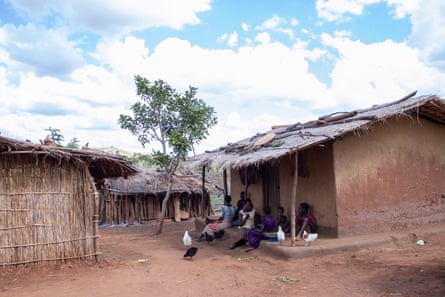
Selina Chombe, 52, from Chembe village, has spent eight days sleeping in the hospital grounds while caring for her pregnant daughter-in-law. When clinicians needed injectable antibiotics to treat an infection, Chombe was sent to a private dispensary to buy two vials at 4,000 Malawian kwacha each (about £1.80), on top of gloves and painkillers.
“We came to a government hospital because we have nothing,” Chombe says. “It pains us that we have to borrow money just so my in-law can be helped. If you cannot afford to buy what is on the paper, you are left waiting.”
At the root of the crisis is an acute shortage of foreign exchange that has paralysed medical procurement in Malawi, which imports nearly 80% of its pharmaceutical and surgical supplies. A severe trade deficit driven by falling tobacco export revenues and surging fuel import bills, which now exceed $700m (£535m) a year, as well as inflation running at 20%, have left official foreign reserves able to cover about two and a half months of imports, below the three-month international benchmark, prompting commercial banks to strictly ration US dollars.
Although parliament allocated 108.3bn kwacha (£48m) for medicines and medical supplies in the 2026–27 national budget, the CMST cannot easily convert local currency into dollars to pay international vendors. As a result, the agency has accumulated about $18m in unpaid arrears to overseas suppliers, which have halted new shipments until invoices are settled.
A government directive ordering CMST to buy basic items from Malawi’s five domestic pharmaceutical manufacturers has also failed to resolve the crisis, as local producers lack the hard currency needed to import raw chemical ingredients and sterile packaging.
Health rights advocates warn that lack of stock at district level is having a ripple effect across the health system. Maziko Matemba, director of the Health and Rights Education Programme, says chronic underfunding, currency shortages and lack of medicines are forcing rural families into unaffordable private clinics. A fellow activist, Dorothy Ngoma, notes that shortages of basic drugs for malaria and infections at district hospitals are pushing patients into overloaded central facilities and worsening surgical backlogs.
Officials at the Ministry of Health and Salima District Health Office referred inquiries to CMST. Responding to questions, a CMST spokesperson, Herbert Chandilanga, acknowledged that foreign-exchange constraints and delayed funding tranches had disrupted medical supply chains, but said the trust had recently begun paying off financial arrears to suppliers and distributors to restore deliveries.
Back inside the maternity ward, as the afternoon heat settles over the hospital courtyard, Msukwa folds her handwritten prescription slip into her cloth wrapper waiting for relatives to raise enough money for the paracetamol sold across the street.
KioskNews shows a cleaned-up reading view extracted from the publisher’s page — the original always lives on their site, not ours.