Doctor accused of indecent examination deviated from usual practice, hearing told
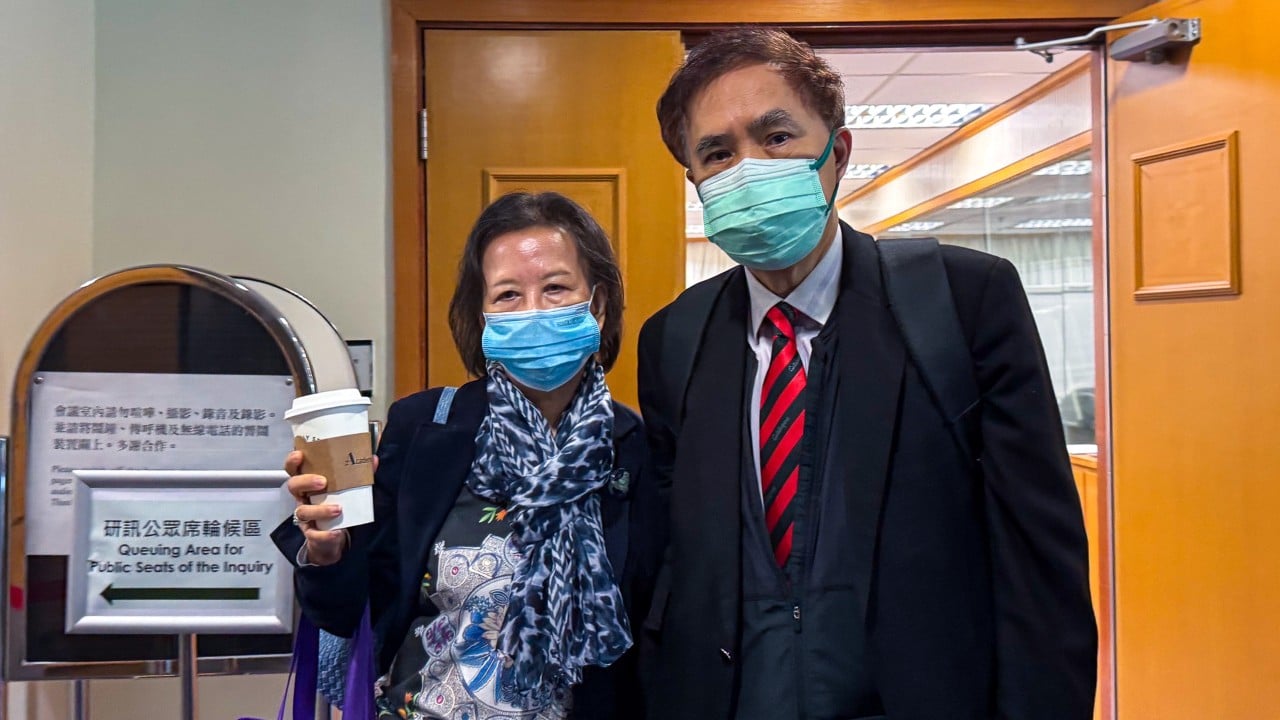
Expert witnesses have told an inquiry at the medical watchdog that a renowned Hong Kong paediatrician facing allegations of indecently examining a male patient’s genitals without consent and making inappropriate remarks had deviated from usual practice.
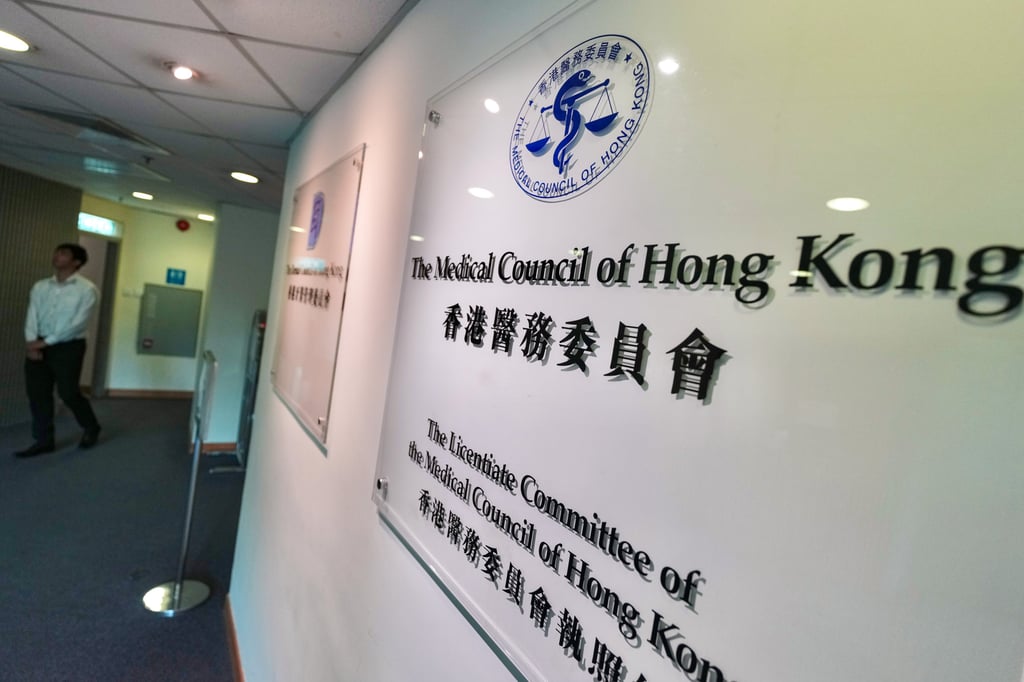
Three doctors testifying as medical practice witnesses on Wednesday told the inquiry panel of the Medical Council that Dr Alvin Chan Yee-shing’s examination of the patient’s genitals was unrelated to his symptoms of dizziness, nausea and diarrhoea at the Hong Kong Baptist Hospital.
Chan is charged with five counts of professional misconduct, including improperly and indecently examining a patient’s genitals on two occasions in April 2021, examining a patient’s genitals without just cause or consent, making inappropriate comments on the patient’s penis and inappropriately writing his clinical treatment record using uncommon abbreviations in January 2022.
The male patient, identified only as X to protect his privacy, accused Chan of removing his underpants without consent and stroking his thighs with his bare hands, saying he needed to examine his lymph nodes, which resulted in X getting an erection.
X alleged that Chan said he spotted lesions on his penis and needed to check for genital warts, forcefully pulling back his foreskin. Chan also allegedly used his forearm to touch his erect penis more than four times.
No chaperone was present during the incident, X added.
Chan then allegedly conducted another similar genital examination the following day.
Family doctor Gene Tsoi Wai-wang said even if patients accidentally get an erection during a medical examination, doctors should cover their genitals and let them rest for five minutes “as a matter of courtesy”.
Tsoi also said it was “prudent” that when doctors conduct intimate examinations of genitals, explicit consent is obtained and patients have the right to refuse.
Nurses should also be called in as chaperones, which would be explained to the patient.
If a patient explicitly refuses a chaperone, Tsoi said he would recommend recording the procedure.
Tsoi said that Chan’s genital exam was unnecessary and such procedures should be conducted standing up and under a bright light, with the doctor wearing gloves and using apparatus such as a wooden spatula.
Tsoi also said that based on the patient’s symptoms, there was “no indication” for Chan to conduct a genital examination, unless the patient reported swollen, painful lumps in their inner thigh.
Urologist Dr Kwok Tin-fook testified that he always wears gloves when conducting physical examinations to protect himself and patients.
He said Chan’s genital examination was “inappropriate and absurd” as he “wasted valuable time while the patient was in distress”.
Dermatologist Henry Chan Hin-lee said he “totally disagreed” that the examination of X’s genitals was necessary, regardless of whether the patient reported abdominal pain.
He argued that X was admitted to hospital for acute medical reasons, and Chan conducting a procedure regarding his genitals was inappropriate since X’s condition was still unstable at that time.
If an intimate examination of a patient’s genitals was required, the dermatologist recommended getting the patient’s consent and asking the patient to stand and retract his own foreskin if necessary, with the doctor wearing gloves and a headlamp.
“If we are examining for genital warts, it could be infectious, so wearing gloves would protect the patient and ourselves,” he said, adding that wearing gloves would not affect the doctor’s ability to feel for lumps or textures.
He said if Chan was unsure about the genital warts, he should have referred the patient to a specialist, instead of conducting the same check a second time.
Earlier, Chan’s defence sought an anonymity order, citing aggressive media coverage and online abuse, but the chair of the inquiry panel, Professor Grace Tang Wai-king, dismissed it.
KioskNews shows a cleaned-up reading view extracted from the publisher’s page — the original always lives on their site, not ours.