Iran Claims 7 Oil Tankers Attacked Overnight In Strait Of Hormuz
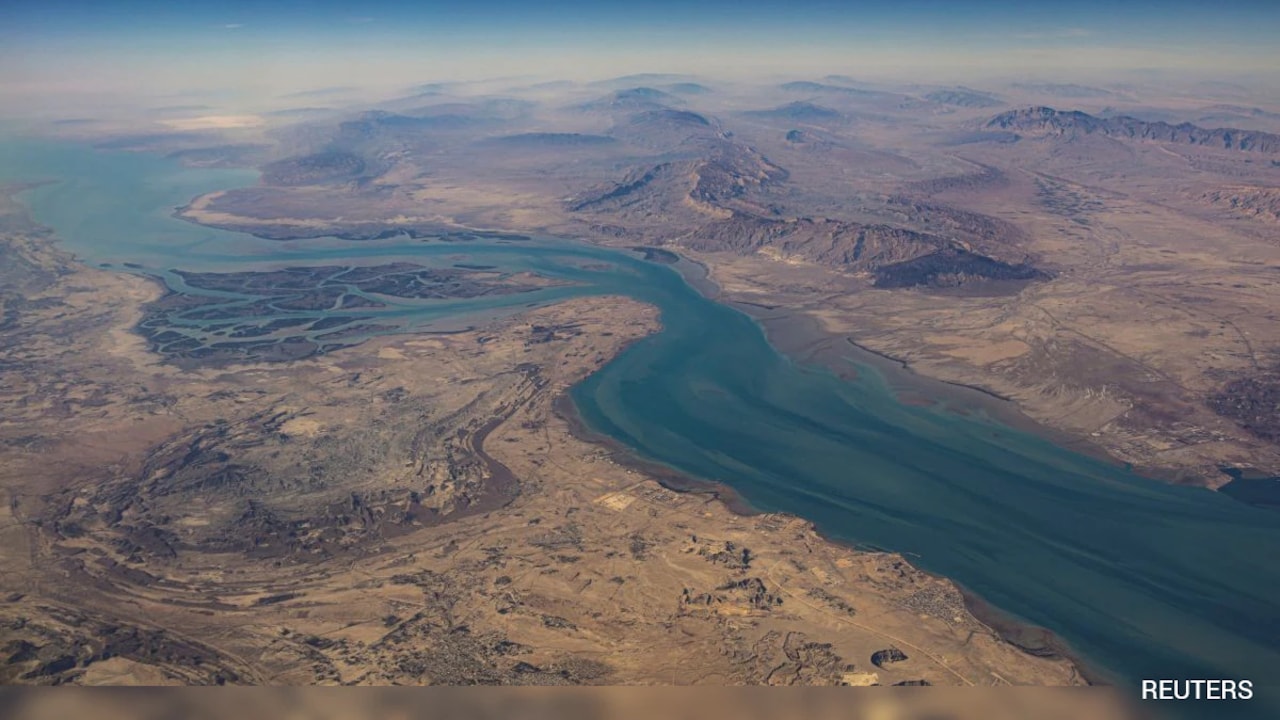
Seven oil tankers caught fire or were damaged in the Strait of Hormuz overnight after being hit by Iran or striking naval mines, Tehran said Thursday, a markedly high number as tensions rise over concerns about a return to all-out war.
With days before a close election in Israel in which Prime Minister Benjamin Netanyahu could lose power, and before next month's U.S. midterm election in which war-linked high prices have sparked voter anger, there are concerns that U.S.-Israeli attacks on Iran could resume.
"Netanyahu wants to attack Iran, that's not even a question," Danny Citrinowicz, a researcher at Israel's Institute for National Security Studies and a former Iran specialist in Israel's military and intelligence services, told The Associated Press.
He accused Israel of rushing into another round with Iran without revamping its strategy. A clear Netanyahu victory in the Oct. 27 election means an attack is almost guaranteed, he said. Main opposition candidates are likely to focus on domestic issues first, but "in general terms, I believe we are on a one way towards another kinetic escalation," Citrinowicz said.
Iranian state television reported the claims about the latest attacks on ships, which the AP couldn't independently confirm. The report cited the Revolutionary Guard Corps navy, which again threatened to strike U.S. military bases in the region if the U.S. keeps helping to guide commercial ships through the strait.
The report didn't mention deaths. Iran still asserts control over the waterway, a central point of leverage in any talks with the U.S. over the war.
October has had the most reported attacks on commercial shipping since March in the war's opening weeks, according to a British military monitor, the United Kingdom Maritime Trade Operations. UKMTO didn't report the latest attacks, but it has noted new reluctance by some shippers to report incidents.
Oil producers have found ways to keep crude flowing, experts say, but at a mounting cost.
Iranian Foreign Minister Abbas Araghchi on Wednesday said that a wary Tehran remains open to diplomacy, but is ready to defend itself.
Iran has warned that it has learned important military lessons from the war that began with U.S. and Israeli attacks on Feb. 28. In recent days, Tehran has indicated that it could expand targets to include infrastructure such as undersea cables and data centers.
The United States, for its part, is sending more military assets to the region, including a third aircraft carrier and thousands of troops, to join the largest force of American warships and aircraft in the Middle East in decades.
Mediators, meanwhile, have been trying to bring Washington and Tehran back to formal talks.
Iran still promotes its latest proposal that would end the war and fully open the strait within a week if the U.S. meets several conditions. Those conditions, which include ending the U.S. blockade of Iranian ports, echo ones in the deal that fell apart within days of both sides signing it in June.
In late September, U.S. President Donald Trump rejected that seven-day proposal, but both sides have acknowledged that indirect discussions have continued.
A return to full fighting would again endanger civilians throughout the region and complicate global deliveries of oil, natural gas and related products like fertilizer from the region and likely bring another spike in prices.
Now the landscape of the conflict has widened with the recent surge in fighting between Iran-backed Houthis in Yemen, and Saudi Arabia. The Saudi kingdom backs a coalition of forces with Yemen's internationally recognized government that is fighting the rebels.
The Houthis' repeated deadly attacks on airports and other facilities inside Saudi Arabia have pressured the close U.S. ally, which has sought military aid.
The escalation also has threatened a crucial shipping corridor, the Bab el-Mandeb at the southern end of the Red Sea.
(Except for the headline, this story has not been edited by NDTV staff and is published from a syndicated feed.)
KioskNews shows a cleaned-up reading view extracted from the publisher’s page — the original always lives on their site, not ours.