Arab parties in contact with senior UTJ officials over negotiations with Yashar-led bloc - report
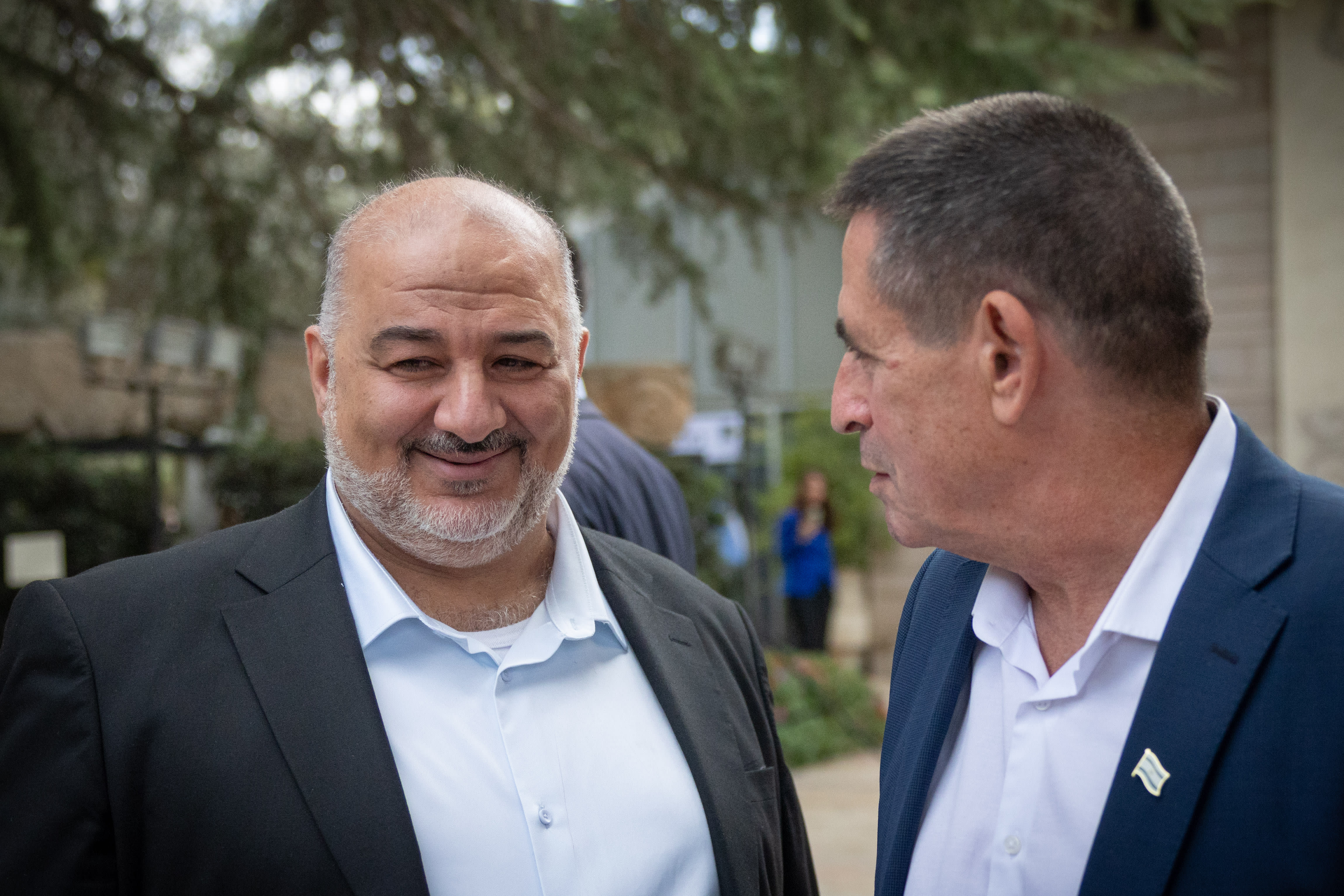
Abbas reportedly suggested that joint talks could give legitimacy to a more lenient arrangement on the issue across the political spectrum, while also positioning UTJ as a potential "kingmaker."
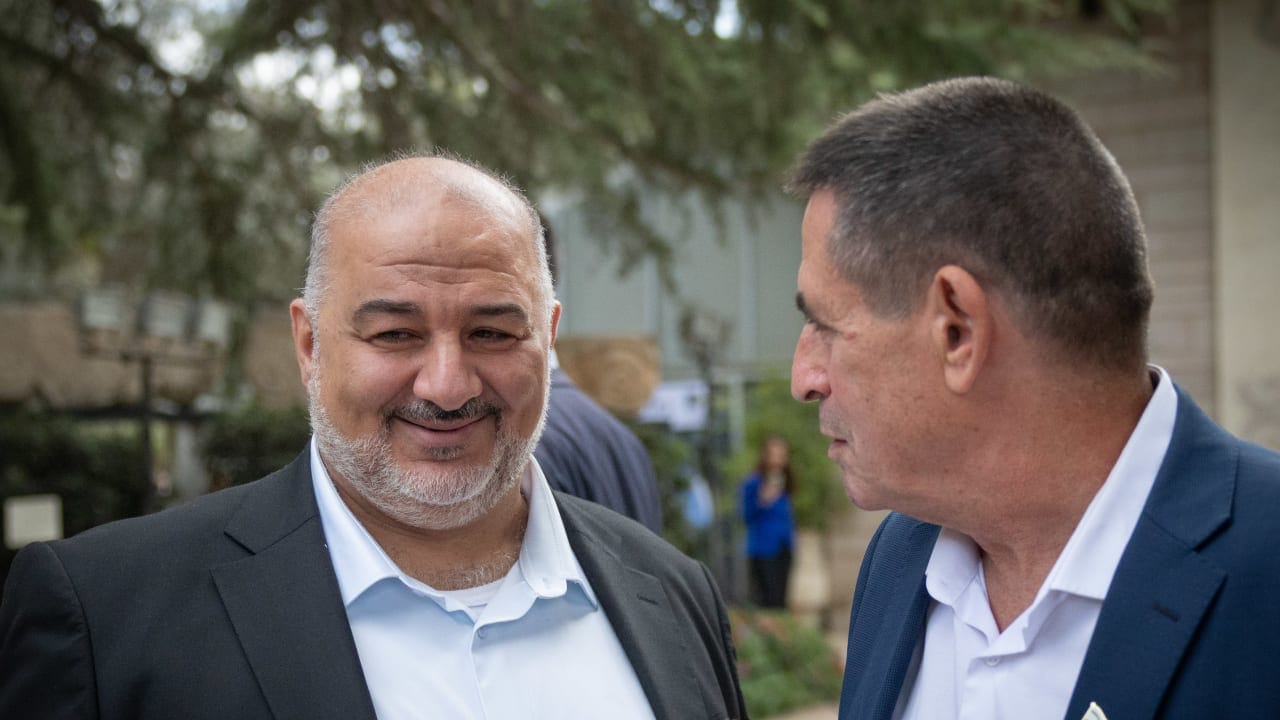
Leaders of the Arab Ra'am and Joint List parties are in ongoing contact with senior officials from the ultra-Orthodox United Torah Judaism party, KAN News reported on Thursday, keeping each other updated over negotiations with the Gadi Eisenkot-led bloc looking to oust Prime Minister Benjamin Netanyahu.
According to KAN, Ra'am chairman Mansour Abbas recommended opening negotiations between the three parties during a conversation with UTJ leaders over legislation regulating military conscription.
Abbas reportedly suggested that joint talks could give legitimacy to a more lenient arrangement on the issue across the political spectrum, while also positioning UTJ as a potential "kingmaker."
UTJ chairman Yakov Asher has also spoken several times with Abbas and Joint List MK Ahmad Tibi, according to KAN, though it added that Asher's office explained the conversations were informal and unrelated to political negotiations.
There is precedent for the Arab and haredi parties cooperating in the Knesset. For example, in early 2020, former Degel HaTorah MK and Knesset Finance Committee chairman Moshe Gafni attempted to advance Tibi's initiative to freeze the Kaminitz Law.
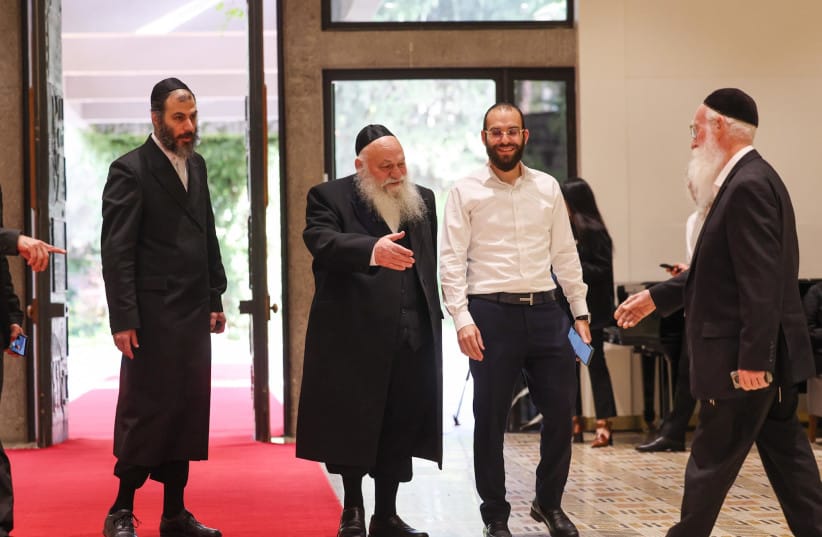
Haredi parties welcome to join Eisenkot-led bloc, Yashar MK says
Separately, in a Wednesday interview with 103FM, Yashar MK Shaul Meridor said that Haredi parties and other factions will be welcome to join a new national emergency government if they agree to four fundamental principles.
Eisenkot’s conditions for any prospective coalition partner are: The recognition of Israel as a Jewish, democratic, liberal, and egalitarian state; a commitment to the values of the Declaration of Independence; mandatory military, national, or civilian service for all Israeli citizens; and recognition of Hamas as a terrorist organization and acknowledgment of the obligation to destroy its military and governing power in the Gaza Strip.
Eisenkot has previously said the principles would serve as the foundation for a broad government based on national consensus, rather than one that seeks to impose the will of one political camp on another.
KioskNews shows a cleaned-up reading view extracted from the publisher’s page — the original always lives on their site, not ours.