New Hampshire scientists protected entire 116-acre farm after 25 years
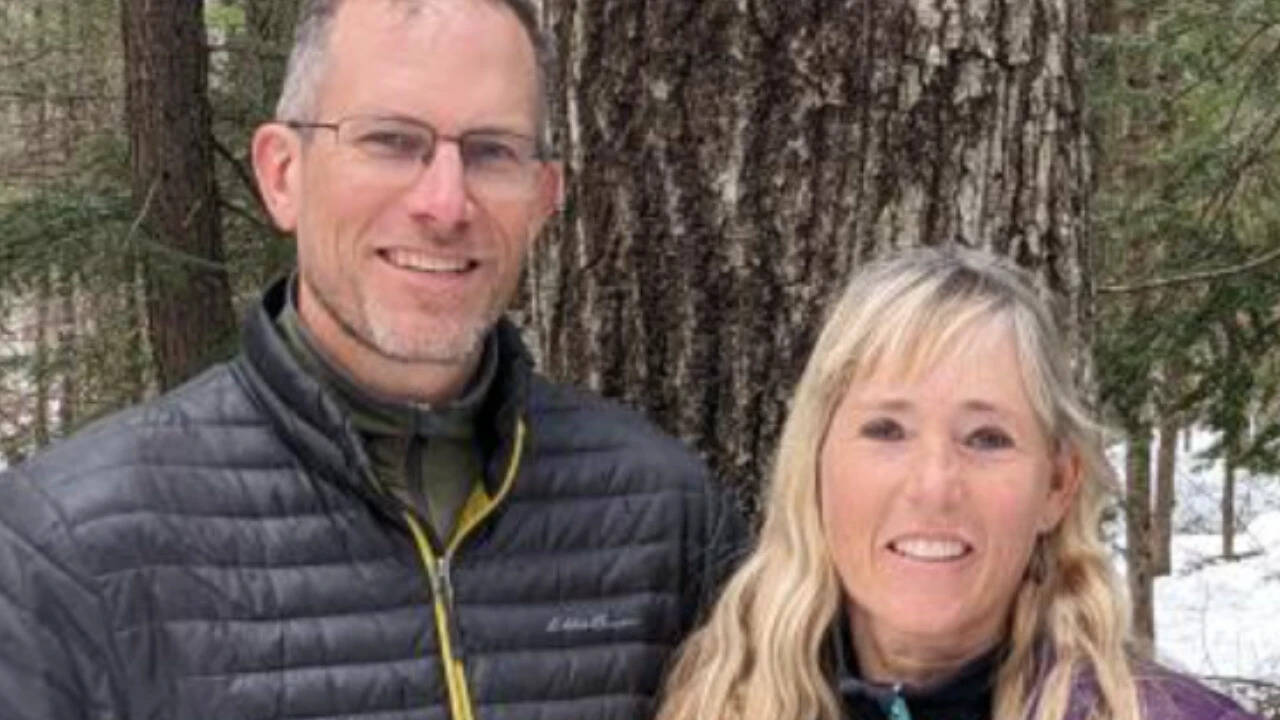
Bonk and Trowbridge had planned to conserve the property since they bought it
Laura Bonk and Phil Trowbridge bought 116 acres of undeveloped land in Allenstown, New Hampshire, in 1997. The couple were young scientists and outdoor enthusiasts at the time. They recognised the importance of the property, which lies along the northern boundary of Bear Brook State Park.
About 25 years later, they placed the entire property under permanent conservation protection to preserve its wetlands, forests, water resources and wildlife habitat.The land, known as Derevya Farms, forms part of the Merrimack River watershed, according to Society for the Protection of New Hampshire Forests. Its location and natural features make it important for protecting water quality and providing habitat for wildlife.
The property also includes frontage along Little Bear Brook, which flows into Bear Brook and the Suncook River. These waterways are tributaries of the Merrimack River watershed.The Bonk-Trowbridge family donated a conservation easement on the property to ensure that its conservation value would be protected permanently. However, the donation did not transfer ownership of the land. The family continues to own the property while its conservation easement protects the land's natural features.
The Society for the Protection of New Hampshire Forests helped raise funds to cover the costs of the project and the long-term care of the protected land. The Merrimack Conservation Partnership awarded the project an $8,000 grant because of the property's importance to the watershed. Individual donors from across the state provided the remaining funding.
Why the 116-acre property matters
Bonk and Trowbridge had planned to conserve the property since they bought it.
Their decision came after years of owning and maintaining the land, which has also become a place for local residents to enjoy outdoor recreation.“Ever since we bought the land, we have been planning to conserve it,” Bonk said. Trowbridge said the decision also reflected their priorities at this stage of their lives. “We have reached a stage in life where you need to focus on doing important things. This donation is one of those things,” he said.The property is part of a wider effort to protect the Merrimack River watershed. Over the past decade, conservation, advocacy and educational groups have worked together to preserve important areas across the watershed. The Forest Society and its partners have helped conserve a chain of properties, with Derevya Farms serving as one of the links.The Merrimack River watershed is important for drinking water. According to Jack Savage, president of the Society for the Protection of New Hampshire Forests, more than 700,000 people in Massachusetts and New Hampshire depend on the Merrimack River as a source of drinking water.
Groundwater from the watershed also supplies private wells throughout the region.“More than 700,000 people in Massachusetts and New Hampshire rely on the Merrimack River as the source of their drinking water and its groundwater feeds private wells throughout, so the health of the watershed has a direct impact on the quality of the water we drink,” Savage said. He also thanked Bonk and Trowbridge for their contribution and their commitment to protecting the land.
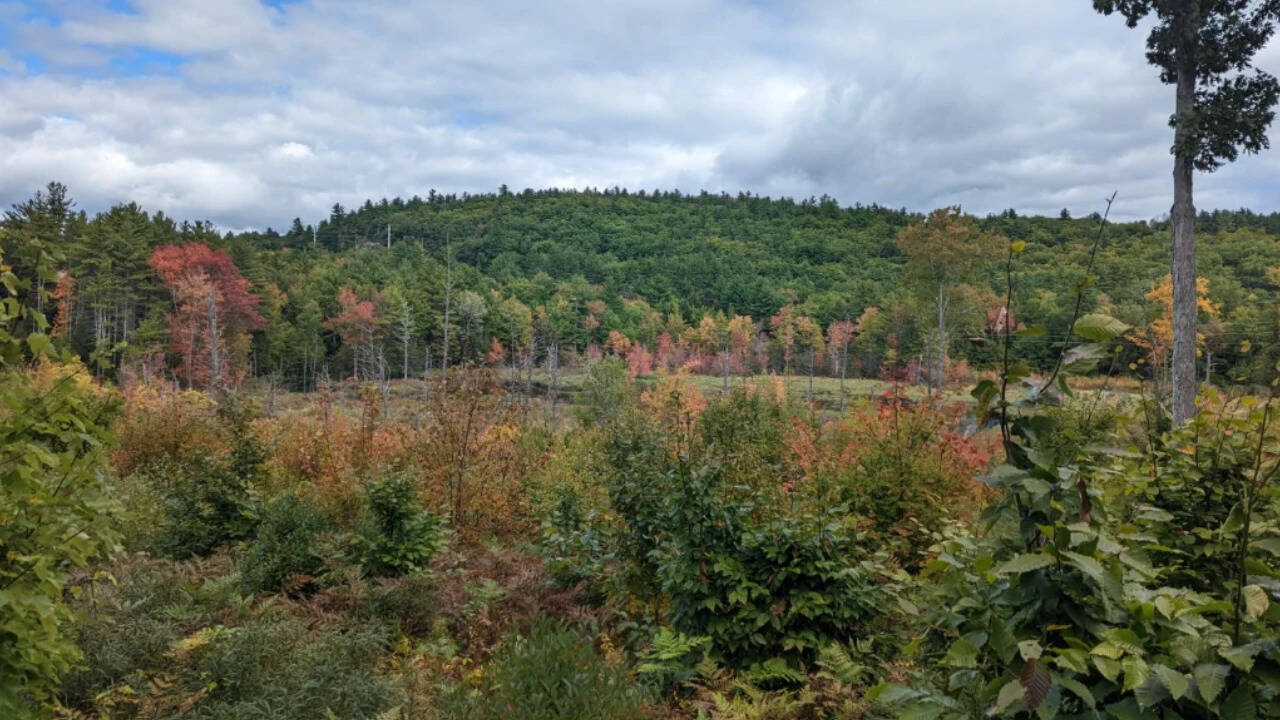
The property provides habitat for moose, deer, bobcats, migratory birds and other wildlife.
Forests and wetlands provide wildlife habitat
Apart from its role in the watershed, Derevya Farms supports several wildlife species. The property provides habitat for moose, deer, bobcats, migratory birds and other wildlife.Its position beside Bear Brook State Park also makes it important as a route through which animals can move across the landscape. Trowbridge said the couple had long recognised that the property could serve as a travel corridor for wildlife living in the state park.The land has also become a familiar outdoor space for people living nearby. The family maintains trails and a Class VI road through the property, allowing neighbours and local residents to walk through the woods. Trowbridge said the use of these trails had increased over time.“We always knew that Derevya Farms would be a travel corridor for wildlife in Bear Brook State Park. It has also become a travel corridor for people,” Trowbridge said.He added that his neighbours knew the woods and trails as well as he did. Seeing other people use and care for the land had been a rewarding experience, he said. “I am proud to be conserving this open space for everyone to enjoy,” Trowbridge said.Bonk also shared a personal connection to the property. Among her favourite features were the trilliums, a group of wildflowers found on the land. “For me,” Bonk said, “my favorite thing about the land are the trilliums.
I love seeing the wildflowers.”
Protection intended to last permanently
The conservation easement on Derevya Farms is intended to protect the property's conservation values permanently. Such easements allow landowners to retain ownership while placing lasting protections on land with important natural, scenic, water or wildlife resources.The Society for the Protection of New Hampshire Forests said it makes a long-term commitment to every property covered by a conservation easement it accepts. The organisation has used these agreements since the early 1970s to protect more than 130,000 acres of forest land, water resources, scenic views, wildlife habitat and agricultural resources.
KioskNews shows a cleaned-up reading view extracted from the publisher’s page — the original always lives on their site, not ours.