Alberta, Canada's energy heartland, rejects separation in landslide vote
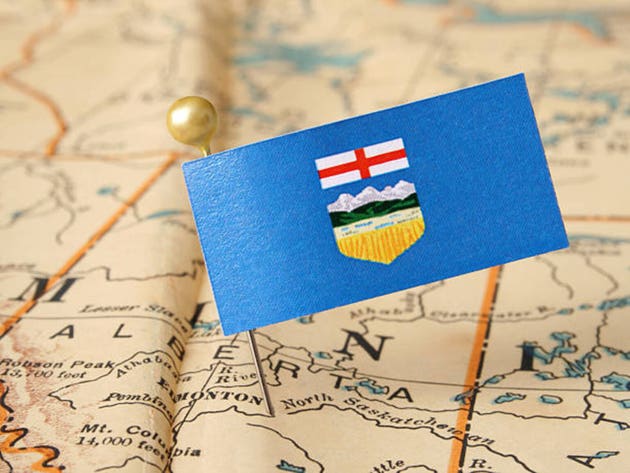
FotografiaBasica/E+ via Getty Images
Early referendum results indicate that voters in Alberta have overwhelmingly backed remaining in Canada. With more than 1.5M votes counted, 76% supported staying in the country, while close to 24% chose to begin a process toward separation, according to unofficial results from Elections Alberta. It's a big deal for the government led by Mark Carney, as he seeks to unify the nation amid a damaging trade war with the U.S. and annexation threats from President Trump.
Snapshot: Unilateral secession is not legal for a Canadian province, with definitive legal authority on the issue established in a 1998 landmark Supreme Court of Canada ruling, when Quebec also put forth an independence vote. Such action is also illegal in the United States, given cases like Texas v. White (1869), which ruled that unilateral secession was illegal barring a constitutional amendment approved by the other U.S. states. However, holding non-binding referendums, or so-called temperature checks, is legal and more of a political tool designed to measure public interest.
"Albertans made a clear choice. They chose unity, to build together, and to take care of each other. Above all, Albertans chose Canada," Prime Minister Mark Carney said following the results. "Canada is securing new trade partners around the world, fast-tracking major, nation-building projects in every part of the country, and unleashing our full potential as a global energy superpower with Alberta at its core."
Why it's important: Alberta holds the world's fourth-largest proven oil reserve, and Carney spent the past few days campaigning in the province to promote a shared economic vision. He pivoted away from the signature policies instituted under former Prime Minister Justin Trudeau by signing an agreement with Alberta Premier Danielle Smith to scrap or suspend the oil and gas emissions cap and clean electricity rules. Aiming to revive energy investment, he also pledged the government would fast-track an approval process for the Pacific Link pipeline, which could generate over C$20B ($14B) per year in GDP.
KioskNews shows a cleaned-up reading view extracted from the publisher’s page — the original always lives on their site, not ours.