Met Police is still institutionally racist, misogynistic and homophobic, report finds
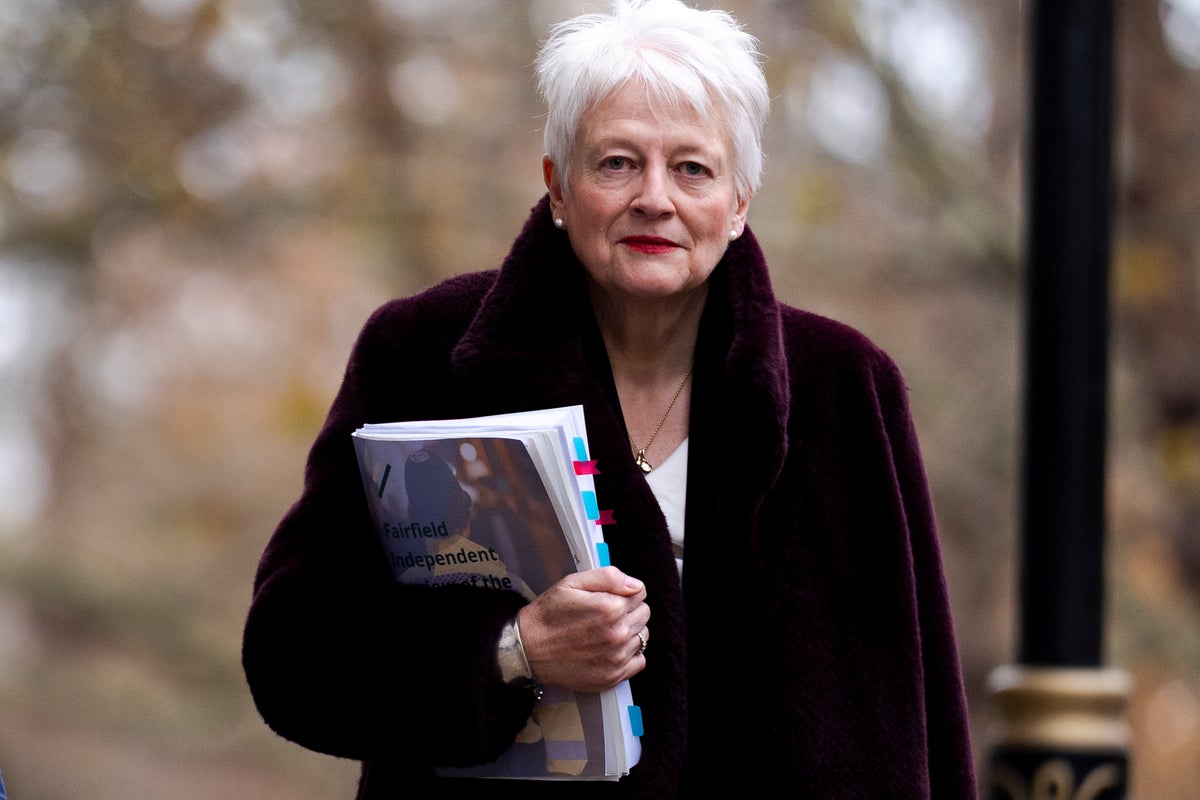
The Metropolitan Police is still institutionally racist, misogynistic and homophobic three years after a damning review threw the force into crisis, a report has found.
A review of progress at Britain’s biggest police force found “these fundamental, systemic issues remain” and called out leaders for not being braver in acknowledging racism, warning: “If it cannot name it, it cannot face it. And if it cannot face it, it cannot change it.”
Met Commissioner Sir Mark Rowley has repeatedly refused to accept Baroness Louise Casey’s assessment of institutional racism in the Met’s ranks, although he has acknowledged the force has systemic and cultural issues to address.
The mayor of London, Sadiq Khan, heaped pressure on Sir Mark following the publication of a highly critical 389-page report from Dr Gillian Fairfield on Wednesday.
“There should be no spin or cherry-picking of this review,” he said. “The Commissioner and his senior team need to reflect on her findings with humility and reflection, not hubris.
“It is simply not possible to change the culture of the Met if the existence of institutional racism, institutional misogyny and institutional homophobia continues to be denied, underplayed or tiptoed around.”
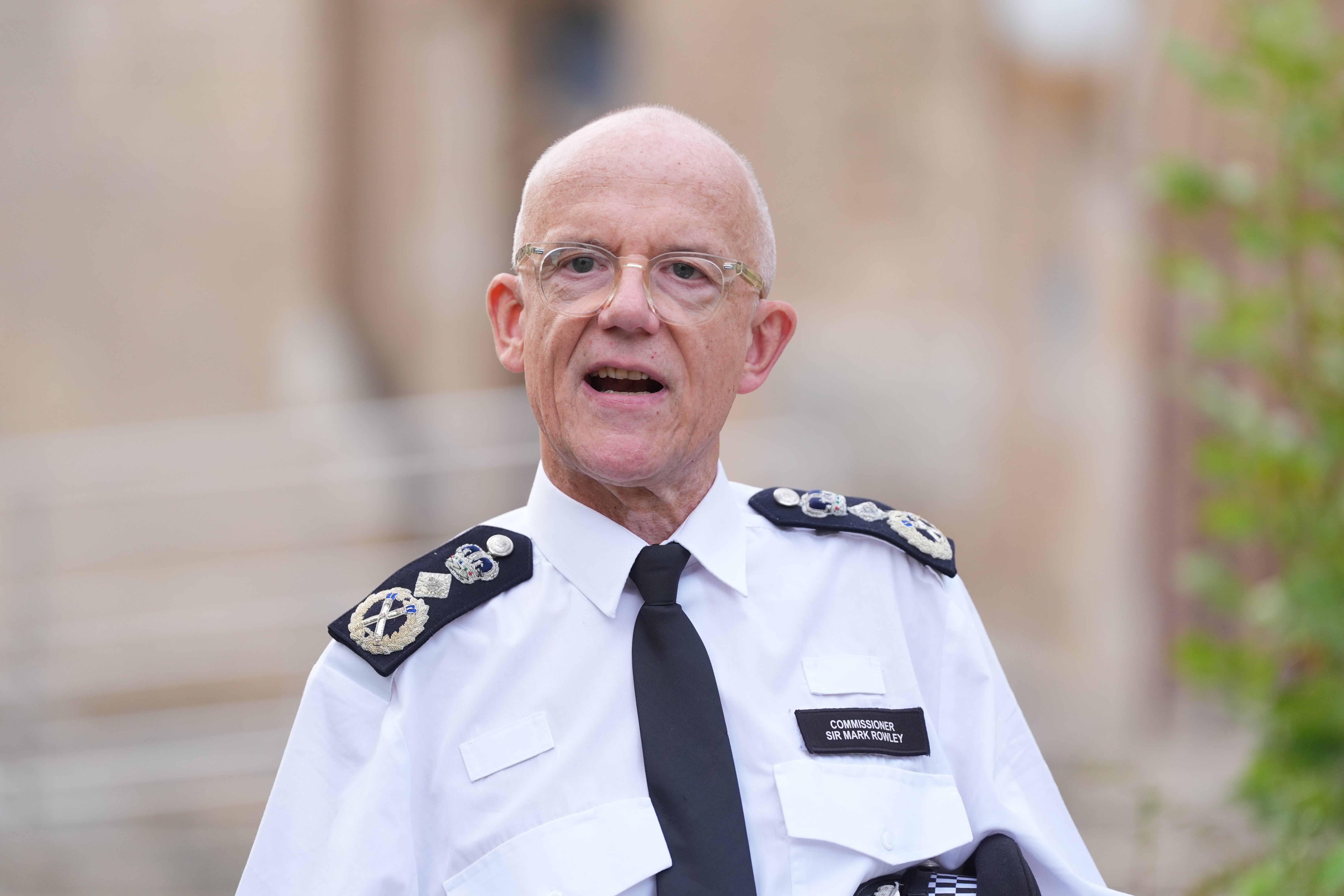
Sir Mark accepted all ten recommendations in the Fairfield Review, including to be braver about racism and disproportionality, but said he refused to be drawn into “what I think is a politicised debate about certain labels”.
He insisted “I’m not afraid of using the term racism”, adding: “We have no problem with using it and confronting it. Racism, misogyny, homophobia, other forms of discrimination are something that we have to confront and have been confronting.”
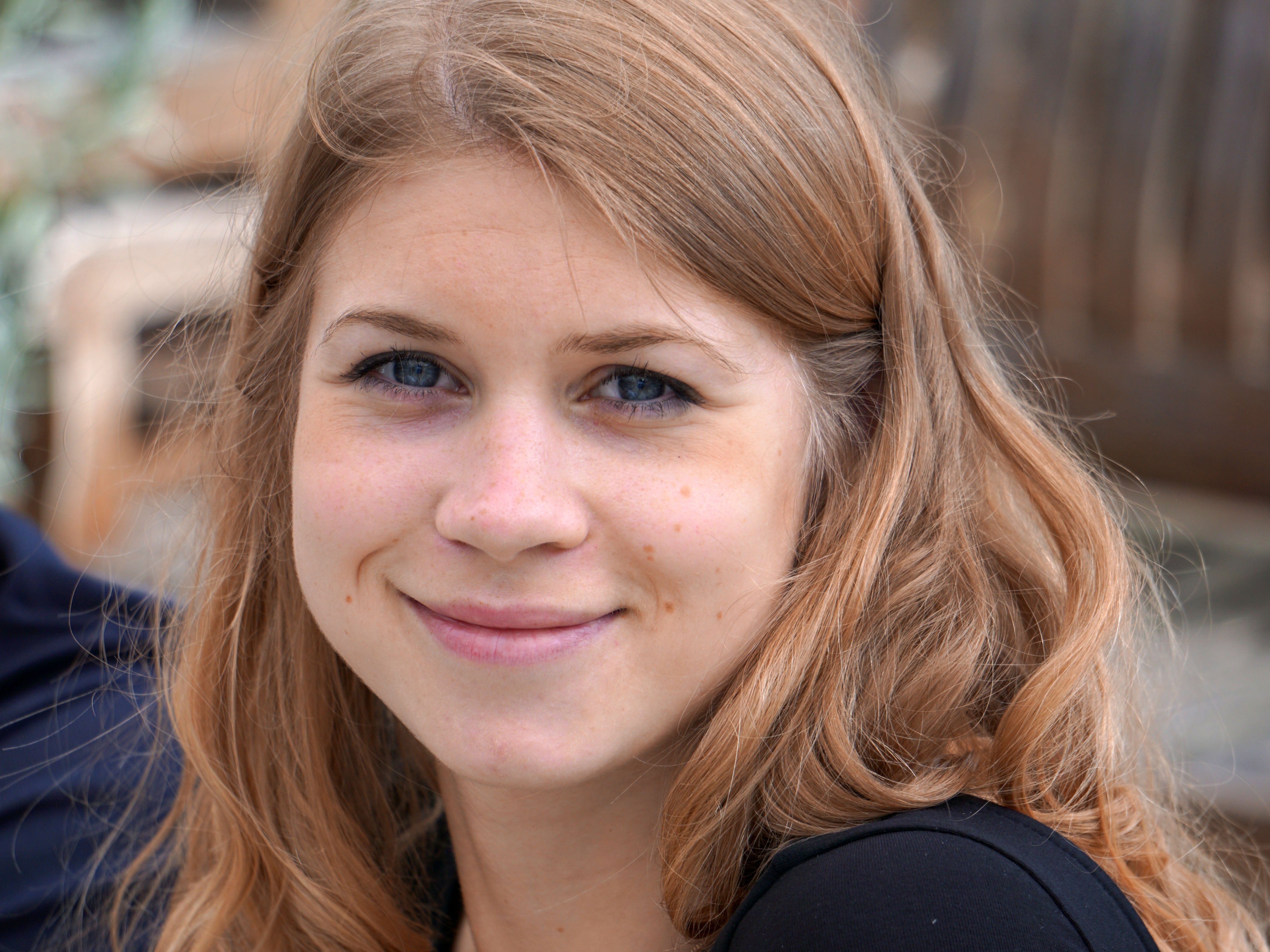
The review found the Met had not made “good progress” on any of the recommendations Baroness Casey made in her seismic 2023 report on culture and standards in the force, which was commissioned after the rape and murder of Sarah Everard by a serving Met officer Wayne Couzens.
Of 14 recommendations issued to the force in 2023, “some progress” had been made on nine recommendations while “limited progress” had been made on the remaining five.
After 11 months of fieldwork assessing progress, Dr Fairfield’s team said they had seen “some of the best policing and some of the worst”, but added that some evidence of failings was “disturbingly familiar” to the Casey Review.
Dr Fairfield said although there have been positive changes, including tougher vetting standards and a crackdown on officer misconduct, the Met’s “foundations are not yet fixed”.
She warned further scandals, like the recent BBC Panorama investigation into Charing Cross Police station, are “highly likely” until the force addresses the root causes of its culture problems.
“The Metropolitan Police Service is different, but it’s not yet different enough, and we’ve reached the conclusion that three years is not enough to complete every cultural behavioural change set out by the Casey review in an organisation of this scale, but time is not the only issue,” the report said.
Dr Fairfield called for the Met to address what she described as “institutional defensiveness”, which has left the force more focused on managing the media response to scandals than fixing the problems.
“In our view, the only scrutiny the Met really fears is from the media,” the report found, adding that its mindset must change.
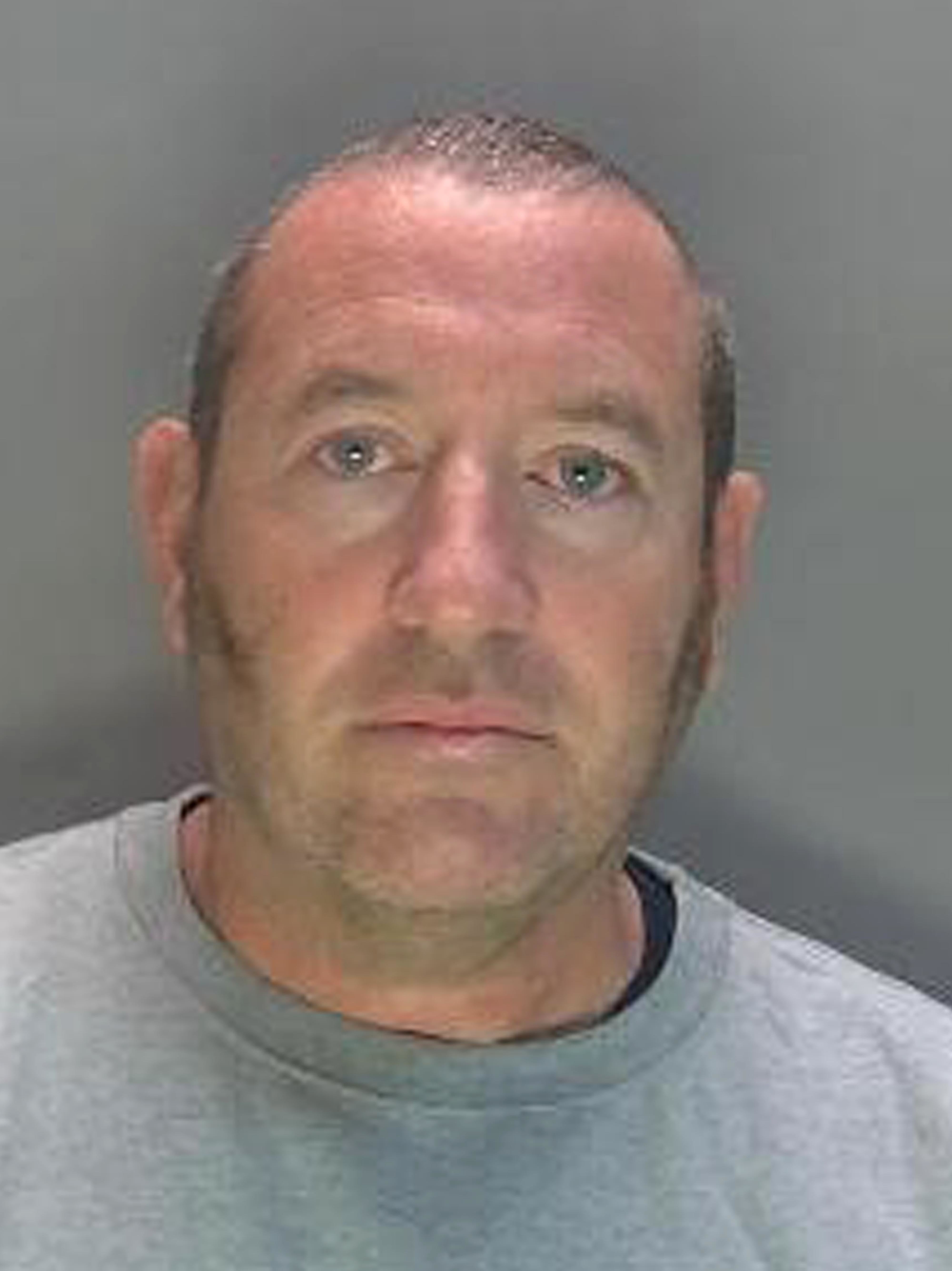
It said that although the force has been focused on removing rogue officers, following shocking cases like that of David Carrick – a Met officer who was unmasked as one of Britain’s most prolific sexual predators – more needs to be done.
“This is absolutely necessary but manifestly insufficient,” the report said. “You cannot sack your way to a good culture.”
One officer told the review team there is “predatory behaviour” towards younger women and new recruits, adding: “They need to understand they are prey.”
Sir Mark said the Met had driven out 1,800 officers and staff who were unfit to serve since the Casey report, but acknowledged there are still predators in the ranks and they will keep “turning up cases”.
The Met chose not to implement a recommendation to effectively disband its Parliamentary and Diplomatic Protection Command, where both killer Wayne Couzens and serial rapist David Carrick served, instead bringing in its own structural changes.
But the latest report found these were “yet to be fully embedded and achieve the desired impact”.
Deputy commissioner Matt Jukes told journalists he would reflect on the feedback from bereaved families, who told the review they had experienced a lack of professional curiosity, empathy or investigative failings.
One described how: “The Met repeatedly gaslit me, made me feel stupid for challenging how they conducted the [homicide] investigation.”
Another family shared concerns that CCTV and doorbell footage were not seized promptly, witnesses were not interviewed and no public appeal was made.
They said: “Legitimate questions were deflected, [we] experienced insensitive treatment and senior officers appeared unable to answer basic questions about an investigation that had repeatedly been described to us as thorough.”
Several families told the review team that they believe Met officers had deliberately lied to them about important aspects of investigations into the death of their loved ones.
Victims’ Commissioner for London, Andrea Simon, said that bereaved families frequently tell her that police investigations compound their trauma.
“These experiences can mean victims are losing faith in the system at the investigation stage and before they have had a chance at justice,” she said, adding that it is vital the Met redesigns end-to-end victim care.
The review found that, despite efforts to drive up standards, police officers are still reluctant to report concerns about their superiors.
Although 83 per cent of respondents in the review’s workforce survey felt confident reporting a colleague, confidence fell to 64 per cent when reporting a supervisor. It dropped to less than half if the concerns were about a senior officer.
Almost half who felt bullied and harassed at work had not reported it and, of those that did, nearly seven in 10 said no action had been taken.
“I have zero confidence that anything is going to happen when reporting misconduct,” one officer told the review.

Trust among the LGBT community, damaged by catastrophic failings in the case of serial killer Stephen Port, has also not improved, the report said.
They said the force is “still making false assumptions about – and sometimes blaming – LGBT+ victims”.
Speaking to journalists as the report was published, Dr Fairfield said she had been “shocked” at the number of LGBT+ people who would not want to report crimes to the police.
Responding to the findings, Sir Mark said he was appointed as Britain’s most powerful police officer four years ago at a time when the force was “in crisis”, before the Casey review was published a year later.
“Three years ago, the question was whether the Metropolitan Police could change,” he said. “This report demonstrates that is happening. But the challenge is now to make that stick, make it happen everywhere, and sustain it for the long term; every Londoner, regardless of their background or where they live, needs to feel the benefits of that change.”
KioskNews shows a cleaned-up reading view extracted from the publisher’s page — the original always lives on their site, not ours.