WWII fighter plane crash found in Hungary after nearly 80 years
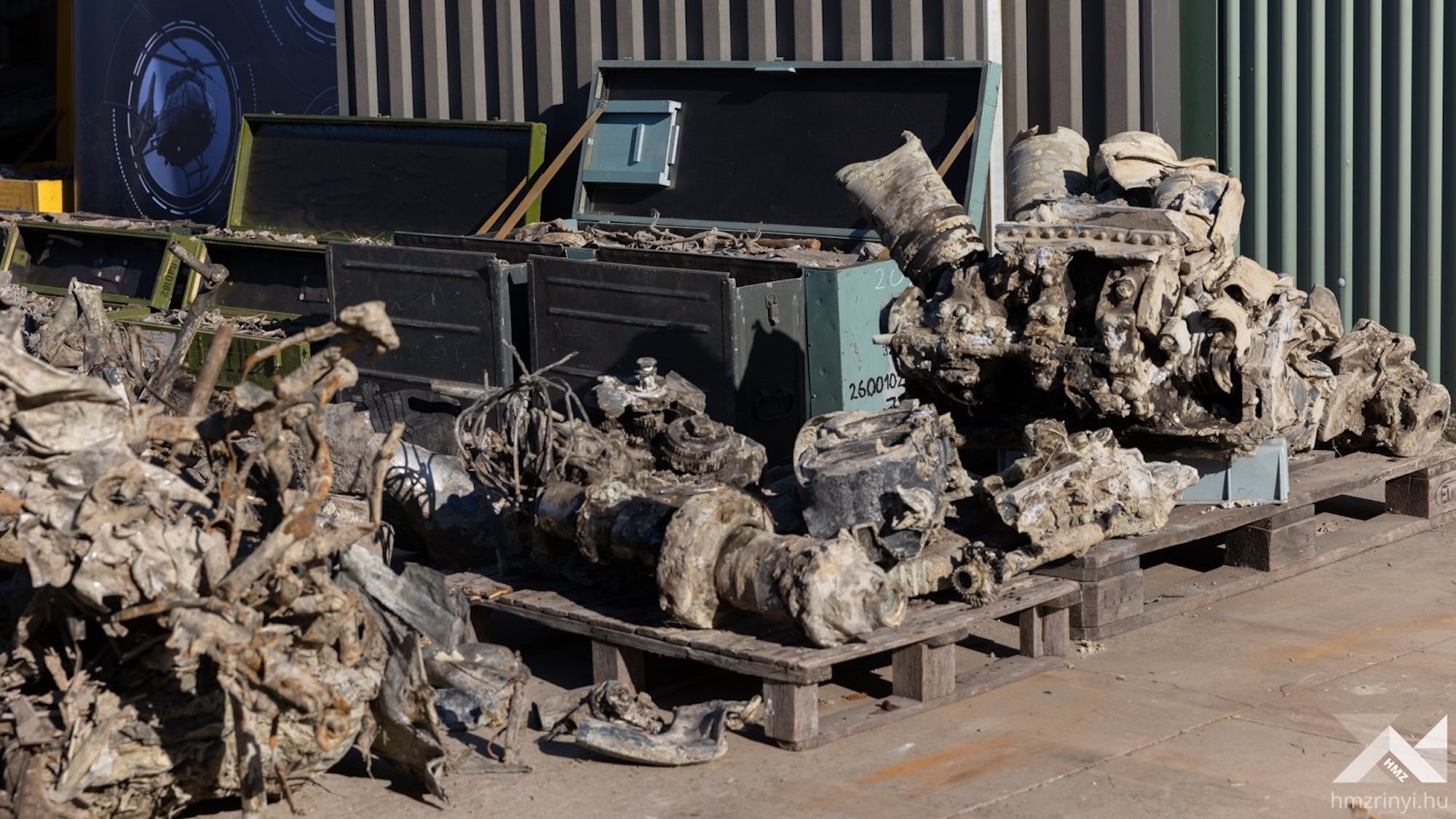
After nearly 82 years, historians in Hungary have finally located a missing Soviet aircraft downed by a German ace pilot during World War II. After a monthslong investigation that involved painstaking archival dives and eyewitness interviews, a team led by Hungarian Aircraft Wreck Research Association co-founder István Kocsis pinpointed the Yakovlev Yak-1 fighter plane. The aircraft was buried over 17 feet underground roughly 50 miles southeast of Budapest. Despite the poor condition of many of the plane’s components, the recoverable remnants still included portions of the aircraft’s fabric covering and even some of the pilot’s personal items.
“Discoveries of this aircraft type on such a significant scale are extremely rare,” a member of the Hungarian Defense Forces said during a recent press conference announcing the find.
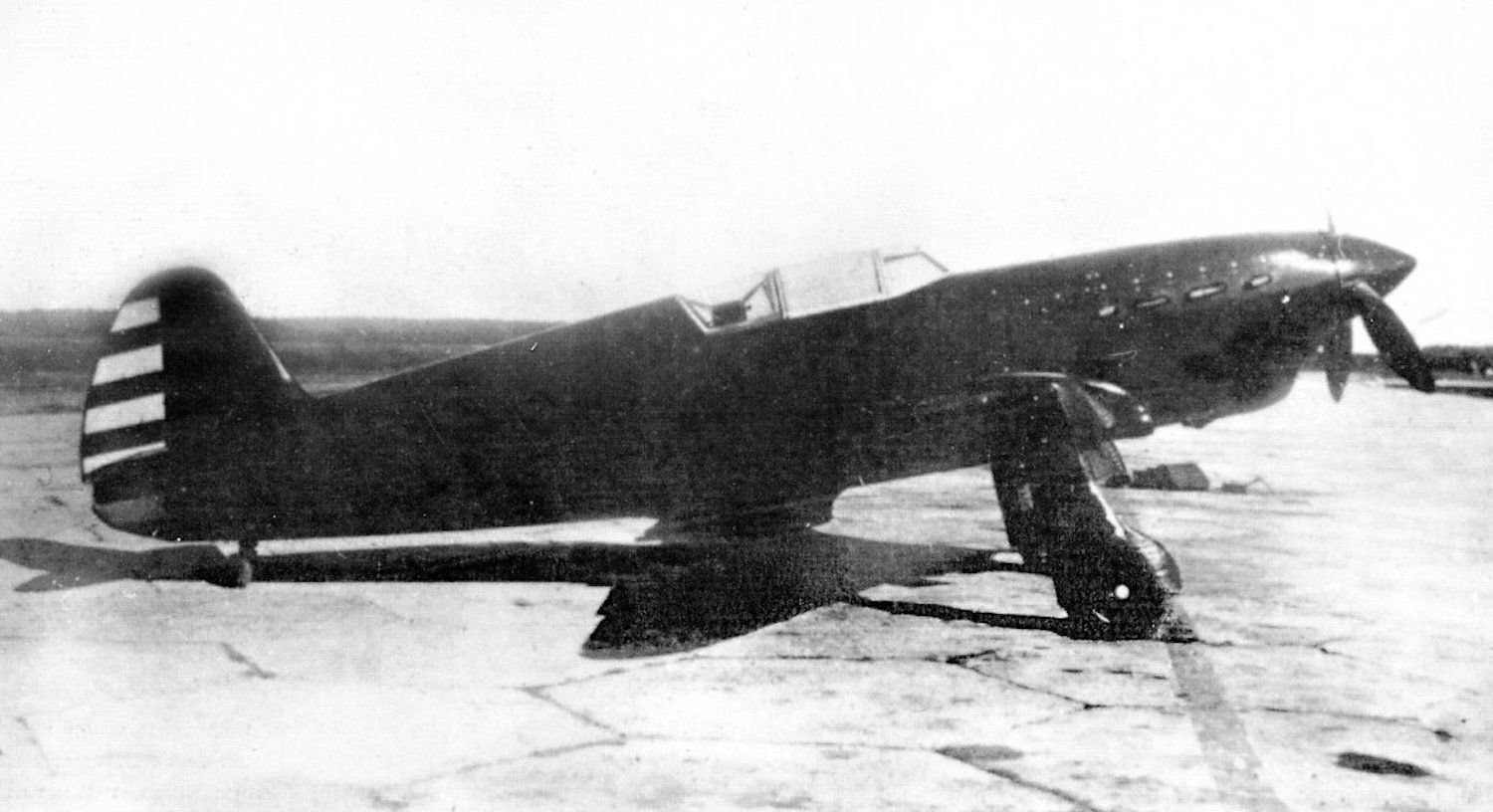

The crash dates back to November 1944, after Soviet Guards Lieutenant Alexander Semyonovich Andrianov encountered German Lieutenant Peter Düttmann above the town of Törtel. Unfortunately for Andrianov, Düttmann was already infamous for his dogfighting abilities, and the Nazi pilot eventually shot down his Soviet foe. Although Andrianov successfully ejected with his parachute, he was later taken prisoner of war. Although Andrianov’s fate is unclear, historians estimate roughly half of all Soviet servicemen taken as POWs died while in German hands.
The Yak-1 fared even worse. Constructed from composite materials like steel tubing, wood, and even fabric, the crash destroyed the aircraft and immediately scattered the wreckage. With no one to claim it, the plane slowly sank into the region’s particularly loose soil over the next eight decades.
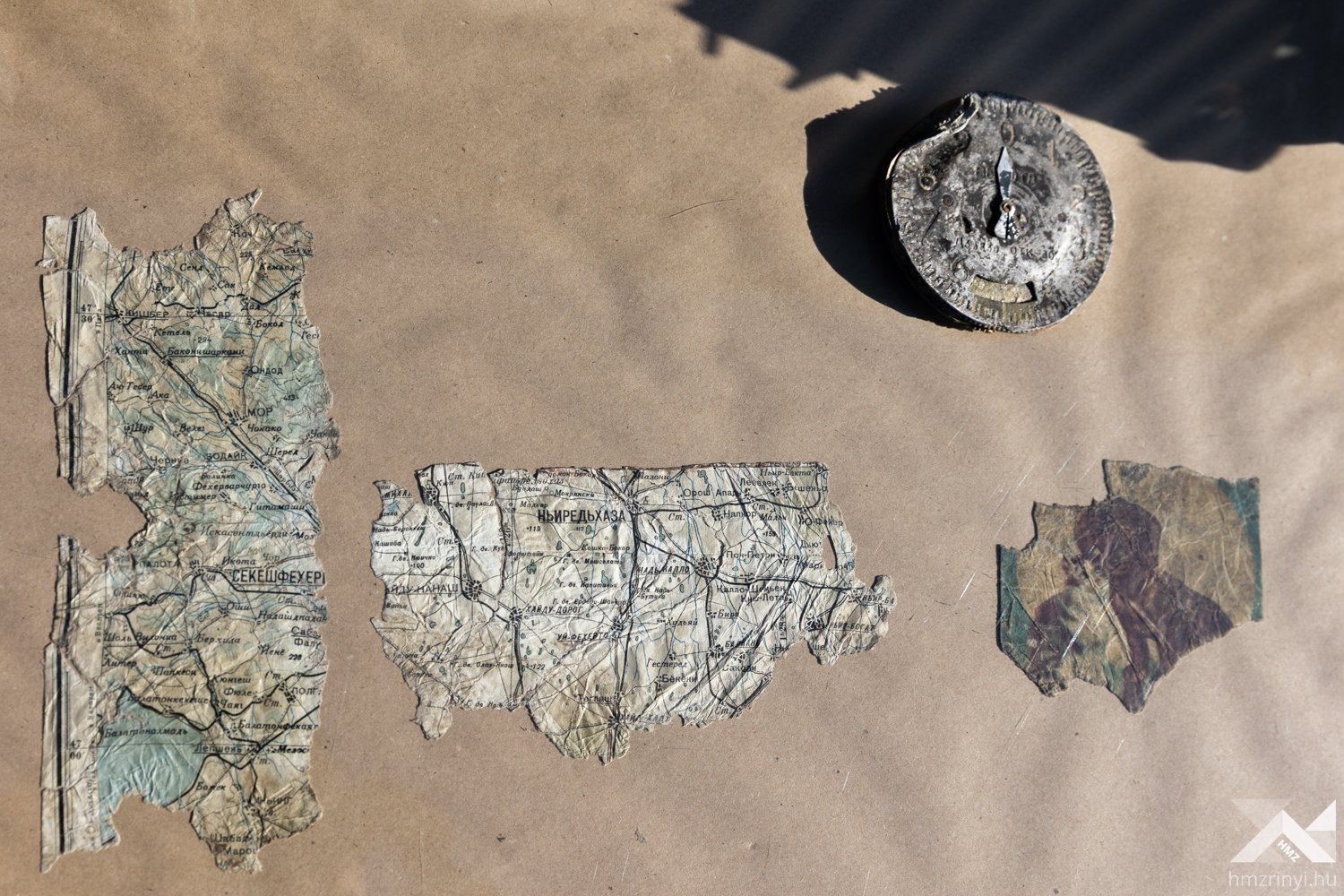
Much of the plane remained intact underground, but military archaeologists chose to rely on a recovery strategy called block lifting. Instead of excavating at the site, heavy machinery portioned out hefty chunks of earth that the researchers then carefully cleared one layer at a time. This layer-by-layer method allowed them to identify and preserve numerous smaller pieces of wreckage, including the engine serial number and construction identification that matched Andrianov’s Yak-1. The team also exhumed some of Andrianov’s personal belongings, including a book signed by the pilot.
While much of the wreck was heavily deformed from the crash’s impact, restoration experts are confident they can reconstruct many of the Yak-1’s parts. Once preserved and documented, these sections of the plane will go on public display at Budapest’s Military History Museum while the rest remain safely archived.
KioskNews shows a cleaned-up reading view extracted from the publisher’s page — the original always lives on their site, not ours.