ESPN DeportesLas 11 novedades de Rafael Márquez en su primera convocatoriaThe Jerusalem PostAny Saudi F-35 sale must safeguard Israel’s military edge, expert tells 'Post'ESPNFollow live: Bills hold control over Lions as Josh Allen scores fifth TDDaily MaverickUN mission finds grounds to believe US committed war crimes in Iran, and Tehran crimes against humanity20 MinutenWilde Gerüchte: Warum geht Parmelins Star Budliger wirklich?한겨레종로 편의점서 60대 어머니 폭행 20대 검찰 송치경향신문“성공한 슈퍼개미라더니”… 3400억 굴려 62억 부당이득 챙긴 30대 구속기소Wirtualna PolskaUtrudniania w ŁKA. Niemal 20 pociągów odwołanych w piątekالنهارتنافس في حركة "أمل" على مركز محافظ النبطيةSportstarIND vs AUS, Y-ODI Live Score: India U-19 takes on Australia U-19 in three-match one-day seriesCNN بالعربيةمعهد الولايات المتحدة للسلام يطلب من القضاء منع ترامب من وضع اسمه على المبنىHabertürkHasan Atilla Uğur gözaltına alındı
The Daily Newsstand · Free, Always
Friday, September 18, 2026

Scientists trace half the DNA in Xinjiang’s oldest tombs to Yellow River farmers
Translate

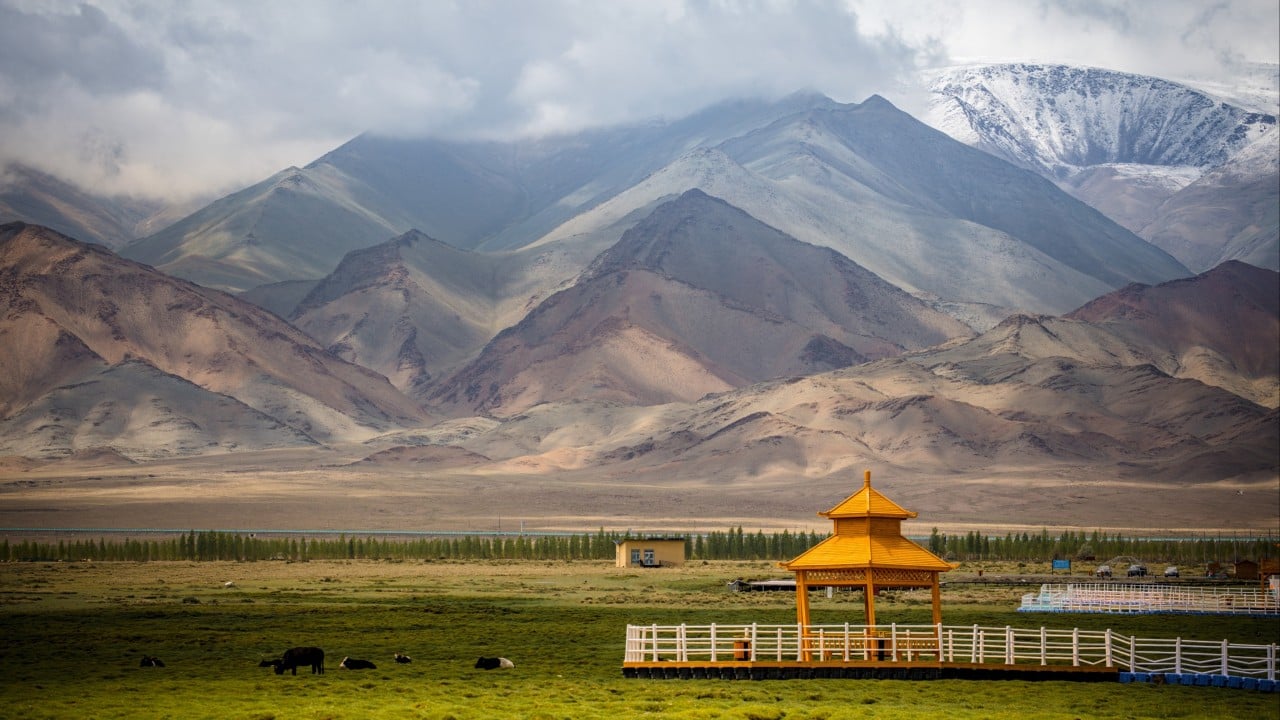
Nestled between the Tianshan Mountains and the Gobi Desert, the Hami oasis in Xinjiang Uygur autonomous region is a land of little rain, battered by wind and sand year-round.

It is also home to the region’s oldest known burial site, the Tianshanbeilu cemetery, located around 500km (310 miles) east of Urumqi, the regional capital. More than 700 Bronze Age tombs have been unearthed here, long assumed to belong to Eurasian nomads who migrated eastward from the steppes.

But a study published on Friday in the journal Science upends that view, revealing a previously unknown, genetically mixed population that lived in the eastern Tianshan region 3,600 years ago, during China’s Shang dynasty (1600-1050BC).

View the original on South China Morning Post

KioskNews shows a cleaned-up reading view extracted from the publisher’s page — the original always lives on their site, not ours.