British PM exchanged messages with Trump chief-of-staff impersonator
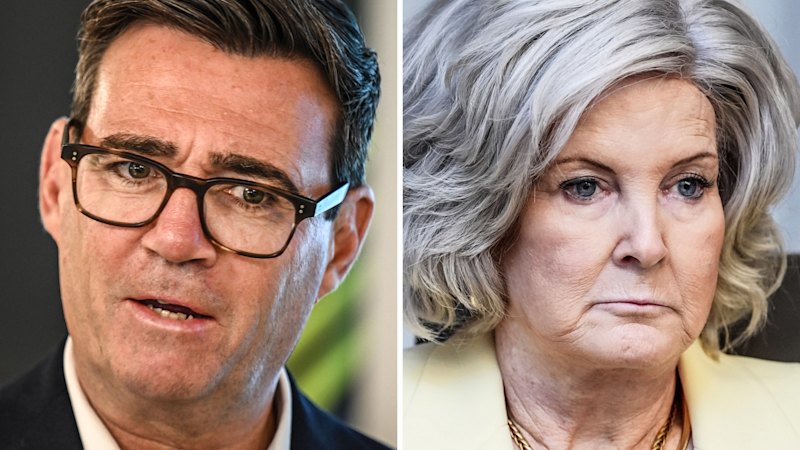
London: Andy Burnham exchanged messages with somebody impersonating Donald Trump’s chief of staff, it has emerged.
The British prime minister messaged a person posing as Susie Wiles, who is considered the most powerful woman in the White House.
The incident, first reported by Politico, prompted such concern in the British embassy that officials raised concerns with their White House counterparts.
Downing Street sources admitted that Burnham had been in contact with the impersonator but claimed the messages were not of significance.
However, the messages will nonetheless raise concerns about national security.
British officials are said to have feared that Wiles’ phone had been hacked again, after an impersonator reportedly texted and called her contacts in May 2025 to ask for cash and presidential pardons. Wiles privately told colleagues that her personal cell phone was hacked and mined for executive contacts.
The FBI launched an investigation after the breach in which the impostor supposedly sent a series of text messages and phone calls to Republican politicians using artificial intelligence to mimic her voice.
The White House said at the time that it took the cybersecurity of all staff “very seriously”, while the FBI insisted all threats against Trump were treated with the “utmost seriousness”.
The timing and content of the messages between Burnham and the impersonator remain unknown.
However, they could have been sent any time from mid-June, when Burnham returned to Westminster following his victory at the Makerfield byelection.
Former British prime minister Keir Starmer resigned four days after the contest to make way for his successor, who stood for the Labour leadership unopposed.
It is understood Burnham did not speak on the phone to the impersonator, and that the suspicious activity was quickly reported to the appropriate authorities.
‘Malicious’ impersonation campaign
Last year American intelligence services warned of an “ongoing malicious text and voice campaign” where actors impersonated senior US officials to target individuals.
US authorities have previously accused hackers acting on behalf of Iran in the final months of Trump’s 2024 presidential campaign.
Information security has been an ongoing concern at the White House, with one hacker managing to breach the communications service used by Mike Waltz, the former national security adviser, in April 2025.
They intercepted messages from a range of American officials, while the White House also admitted that Salt Typhoon, an alleged Chinese cyber espionage operation, targeted and recorded the calls of “very senior” American figures.
Burnham is not the first senior British politician to have fallen victim to an impersonator.
In 2015 a hoax caller was put through to the phone of then-prime minister David Cameron, claiming to be the director of eavesdropping agency GCHQ. Cameron ended the call when it became clear it was a hoax.
On his return to frontline politics as foreign secretary in 2023, Cameron was hoodwinked into taking a call from a Russian prankster pretending to be a former Ukrainian president. In a video of the prank call that was published with the intention of embarrassing the Conservative Party, the Tory peer said Labour would “continue” his party’s support for Ukraine in office.
Just weeks after the illegal Russian invasion of Ukraine in 2022, Ben Wallace and Priti Patel – the then defence and foreign secretaries – were fooled by Russian “impostors” who posed as Ukrainian politicians.
Both Wallace and Patel held video calls, requested in the name of an aide at the Ukrainian embassy, before eventually becoming suspicious and ending the exchanges.
Wallace believed that he was talking to Denys Shmyhal, who was then serving as the Ukraine prime minister and is now Volodymyr Zelensky’s energy minister.
He said the man looked and sounded like the Ukraine prime minister but became suspicious when the caller – who was posing in front of a Ukrainian flag – began to ask questions relating to UK security.
Patel responded to the incident by revealing that the same thing had happened to her, calling it a “pathetic attempt at such difficult times to divide us”.
A Downing Street spokesman said: “We do not comment on national security matters.”
The White House declined to comment.
The Telegraph, London
Get a note directly from our foreign correspondents on what’s making headlines around the world. Sign up for our weekly What in the World newsletter.
More:
KioskNews shows a cleaned-up reading view extracted from the publisher’s page — the original always lives on their site, not ours.