Mother left weighing four stone after her stomach stops working - as UK hospitals charge £675 for life-saving feeding treatment

A mother-of-three is facing the possibility that she may not live another year, after her stomach stopped working and caused her weight to drop to just four stone.
Emilie Cullum had been perfectly healthy and physically active in the months before she was diagnosed with a rare gastric condition, with everything changing overnight after she threw up her breakfast cereal one morning in November 2024.
The illness has left her needing to be fed from a tube and has resulted in her suffering a pulmonary embolism and severe weight loss - with the life-changing treatment she requires unavailable on the NHS and costing £675 a day in private healthcare.
In the days before she became ill, Ms Cullum said nothing had been out of the ordinary. “My breakfast went down and all of a sudden, I felt that it needed to come up again”, she said.
“It wasn’t like I felt ill or anything - I just thought it was odd. I cracked on and drank my coffee which was fine - but then I had lunch at work and threw that up too.”

Over the course of the next week, she would be sick after each occasion she ate food, and began to suffer from sore ribs, acid reflux and a painful throat.
Yet it would take another three months before a private doctor realised that her stomach had completely stopped working - after she had spent several hospital visits being told by NHS doctors it was likely she was suffering from food poisoning or had Crohn's disease.
In February 2025, she underwent a number of tests, including swallowing chalk and a camera - both of which she threw up - with a specialist informing her that her stomach was “broken” and that she would now need to be fed through a tube in her nose.
Yet given the tube’s tendency to dislodge itself each time she threw up, Ms Cullum was required to replace the tube 14 times over the course of the next six months.
“It is really horrible,” she said. “Each time you have to be sedated, so it means 14 days of being off your face on drugs, and it then feels like having a hair in your mouth all the time. I was just losing more and more weight. By 8 August, I was four stone and three pounds - I’d lost half my body weight.”
In order to be given a permanent tube, she was informed she needed to put on weight - but was unable to do so as her body continued to reject the baby formula she was being fed.
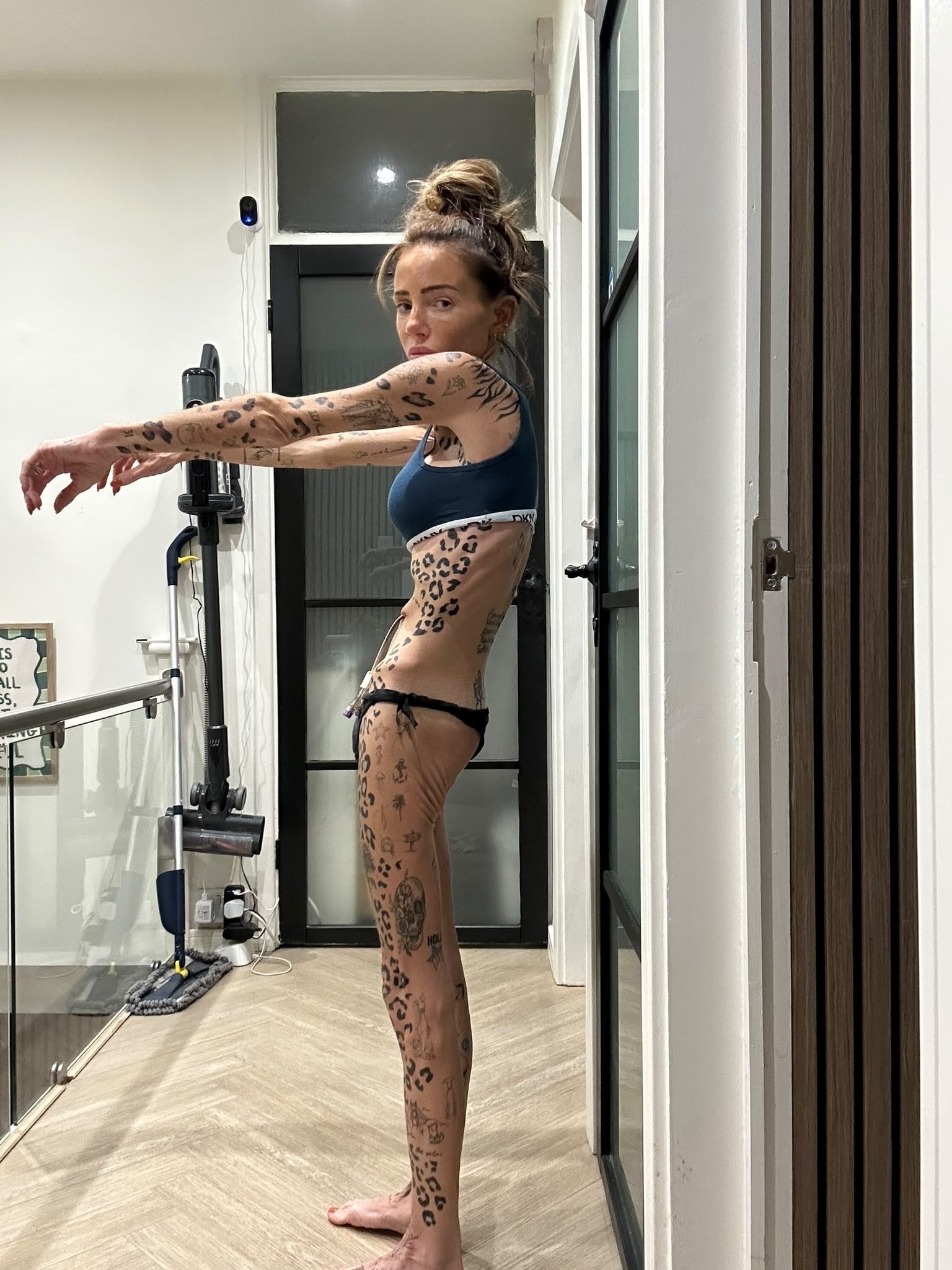
“I was on death’s door by then,” she said. “I was having episodes where I was asleep for three days. My mum couldn’t wake me and called the ambulance and I was nearly in cardiac arrest.”
After a second opinion from another doctor, it was determined that she would die if she did not have the permanent tube stitched into her body - with the risk being that she may pass away during the procedure.
“I survived and put on almost a stone by getting up to five stone five pounds, which is still extremely underweight. If you get things like an infection or a cough, you’re dead in bed for three weeks.”
Despite the permanent tube initially working, she was unable to gain any further weight due to her body rejecting larger amounts of feeding formula. In February 2026, she was informed that her body could no longer continuing surviving, with her heart and kidney beginning to deteriorate.
It was determined that she should undergo total parenteral nutrition (TPN) as an inpatient, where a bag of nutrients would be fed through a cannula into her veins. Again, despite initial success, she eventually endured a major pulmonary embolism as a result of blood clotting around the artery and required a blood transfusion.
Ms Cullum was subsequently informed that the next step would be palliative care and managing her pain, and it was unlikely she would live longer than 18 months. “It was just a shock, hearing those words. I knew something wasn’t right as the doctor and nurse came in, as well as the hospital chaplain. I thought this is not good news. I don’t think I believed it.”
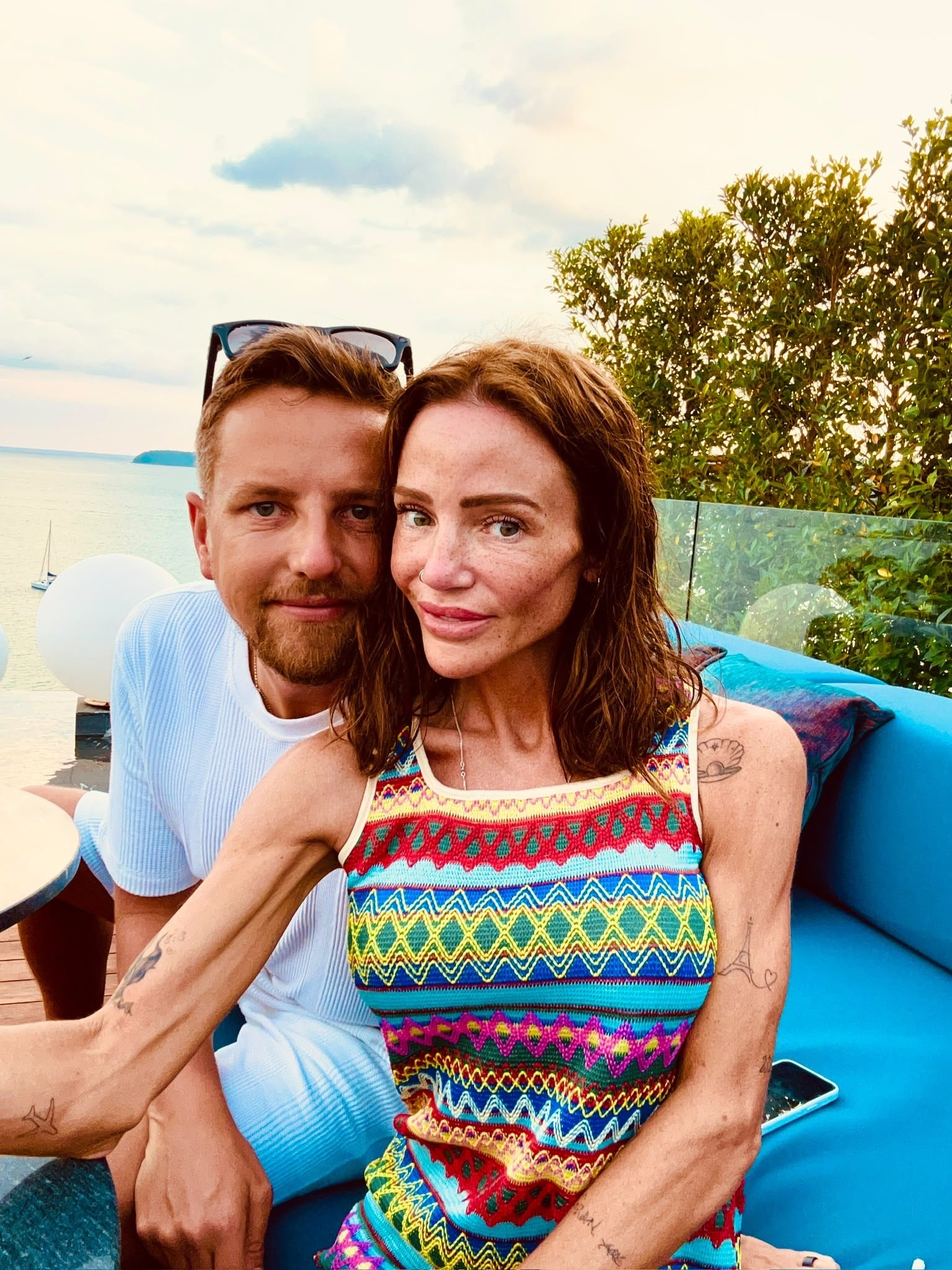
Upon conducting her own research, she and her family discovered a doctor who was lobbying for NHS England to fund gastric pacemaker treatment - the process of shocking the stomach into opening. This procedure is currently available in Wales, Scotland and Northern Ireland, but can only be performed privately in England.
However, given her weight, this operation would still be unavailable. While lipids, which is similar to a TPN but involves a smaller bag and is not inserted into a major vein, is available, it is not funded by the NHS and costs £675 per day to administer privately.
She and her family have now saved the funds to travel to Thailand to undergo lipid treatment for a year and face a £58,000 bill for the visas alone. As a result, they have lost their family pets, her business is on hold and both she and her parents are prepared to sell their homes.
Their intention is for Ms Cullum to gain weight through lipid treatment, which costs £9 a day in Thailand, and if successful, return to the UK for a gastric pacemaker. However, they are under a time pressure as she now has an estimated year to live.
Becoming emotional, she said: “It would mean everything. It would mean I get to see my children and to see them grow up a lot more. I might get to see a grandchild.
“My husband will deal with it, he’s a big boy but I can’t leave my children, they’re just babies. I can’t leave them, I’ve got every fight and will in the world.”
KioskNews shows a cleaned-up reading view extracted from the publisher’s page — the original always lives on their site, not ours.