Beijing's population expected to become super-aged by 2035
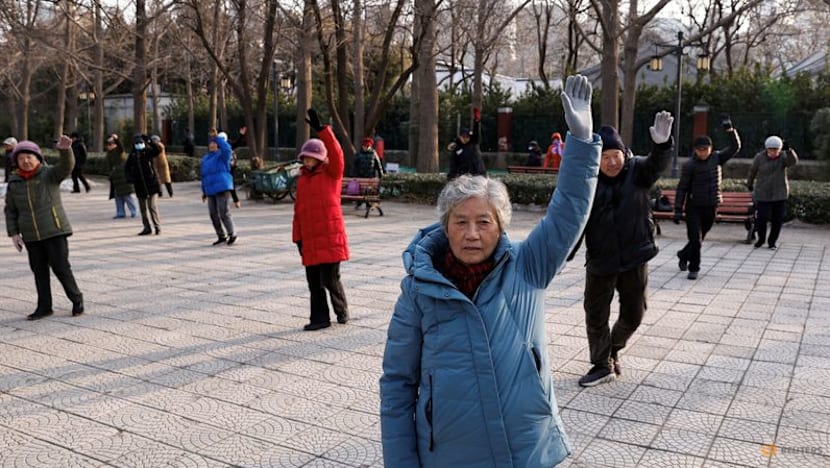
BEIJING: The Chinese capital Beijing is expected to become "super-aged" by 2035, with around one-third of its population aged 60 and above, the official Beijing Daily reported.
Chinese policymakers have made population planning a key part of the country's economic strategy, and this year the government faces a total potential cost of around 180 billion yuan (US$26.92 billion) to boost births, according to Reuters estimates.
One in every three residents of the Chinese capital will be aged 60 or above by 2035, the Beijing Daily reported on Saturday (Oct 17).
Beijing had 5.29 million permanent residents aged 60 and above at the end of last year, almost one-quarter of its population, the newspaper said.
The city's government is stepping up support for elderly residents, including raising the basic pension, the report added.
China's population has been shrinking since 2022 and is ageing rapidly, complicating government plans to boost domestic consumption and rein in debt, with hundreds of millions of people set to leave the workforce at a time when pension budgets are already stretched.
Demographers and economists argue that fewer children today could mean fewer households and slower consumption growth over time.
KioskNews shows a cleaned-up reading view extracted from the publisher’s page — the original always lives on their site, not ours.