‘I could have died from meningitis before my first week of university – how to tell it’s not just freshers’ flu’
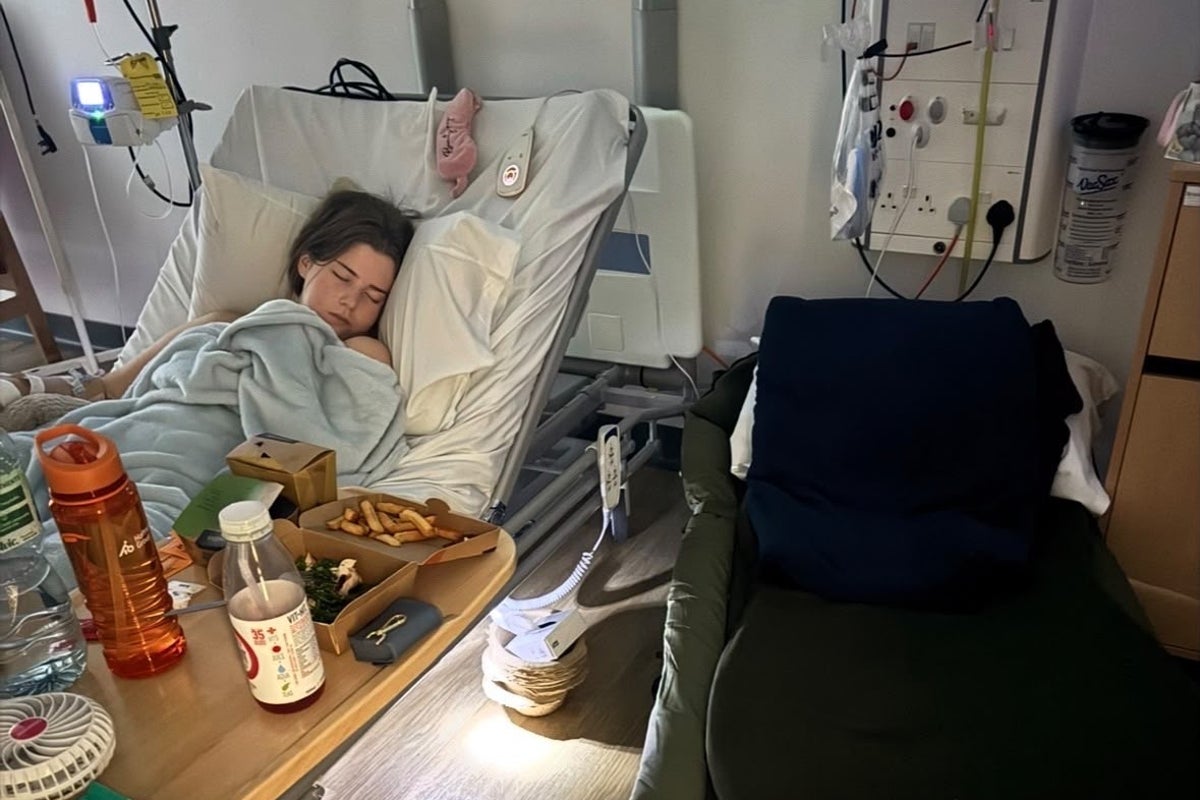
“It’s life or death if you catch it too late,” said Sofia Mattacola Westley, a university student who contracted meningitis last year. “This illness is unlike anything you’ll ever have.”
Ms Westley’s illness began during a concert, which was supposed to be the highlight of her pre-university summer when she was 18. “I never thought something like that could happen – I didn’t even know what meningitis was,” she told The Independent.
Only hours after attending, she found herself experiencing a range of symptoms: “I got a fever, and then a migraine, and then I was vomiting, and faint... it was just awful.
“We ended up going to hospital, and for five days, nobody knew what it was.”
After multiple MRIs and tests, it was almost a week after being admitted that Ms Westley was diagnosed with meningitis. “I really could have died then,” she recalled.
She tells her story as a new university year begins, after meningitis outbreaks were recorded at campuses in Kent, Canterbury, Oxfordshire, Dorset, and Berkshire earlier in 2026.
The outbreak in Kent in March triggered mass panic and a public response from the UK Health Security Agency (UKHSA) after 15 cases emerged within 48 hours.
In total, 348 cases of the illness in the UK have been confirmed this year, with 26 of these resulting in death.
The illness, which can be caused by several strains of different viruses and bacteria, leads to inflammation around the brain and spinal cord, explained Daniel Turnbull, a professional standards pharmacist at Pharmacy2U. It can sometimes lead to sepsis and become fatal.
“Despite having some similar symptoms [to freshers’ flu], meningitis is a far more serious, and potentially fatal, illness,” he added.
The illness is typically transmitted through prolonged, close contact. Because of this, university students are particularly at risk, as living in close quarters, sharing items, and mingling at busy freshers' events can spark outbreaks.

It is thought around 10 per cent of people carry bacteria which causes meningitis without ever showing symptoms, the UKHSA said.
But even after surviving the acute infection, the long-term reality can be debilitating.
Ms Westley’s recovery process forced her to put her plans to attend university on hold for a year. “It was really bad,” the 19-year-old explained. “After I got meningitis, I got diagnosed with something called low-pressure headaches, which is basically where any small thing you do, small activity or action can instantly cause a headache.
“Even a year on, I've still got so much fatigue. Like I struggle with doing everyday things that before would have excited me, and I don't know – I’ve lost a lot of passion for things that I loved.
“Like I'm not as adventurous. If I have to go on a long car journey, for example, all I think about before is: do I have enough caffeine with me? Am I going to get sick? Do I have everything I need medication-wise?”

Now, Ms Westley has urged young adults to consider how easily the illness can spread.
“I see people doing things like sharing drinks or food – all these little things that you do with your friends that seem normal, and you trust them because they're your friends,” she said. “But it doesn't matter how much you know that person; they could be a carrier, even if they have no symptoms.”
Her plea to new and returning students is to stay vigilant, take symptoms seriously rather than dismissing them as “freshers’ flu”, and drop the assumption that dangerous infections only happen to someone else.
“Everyone thinks ‘I'm not going to get it’ – but it's not this rare thing,” she warned.
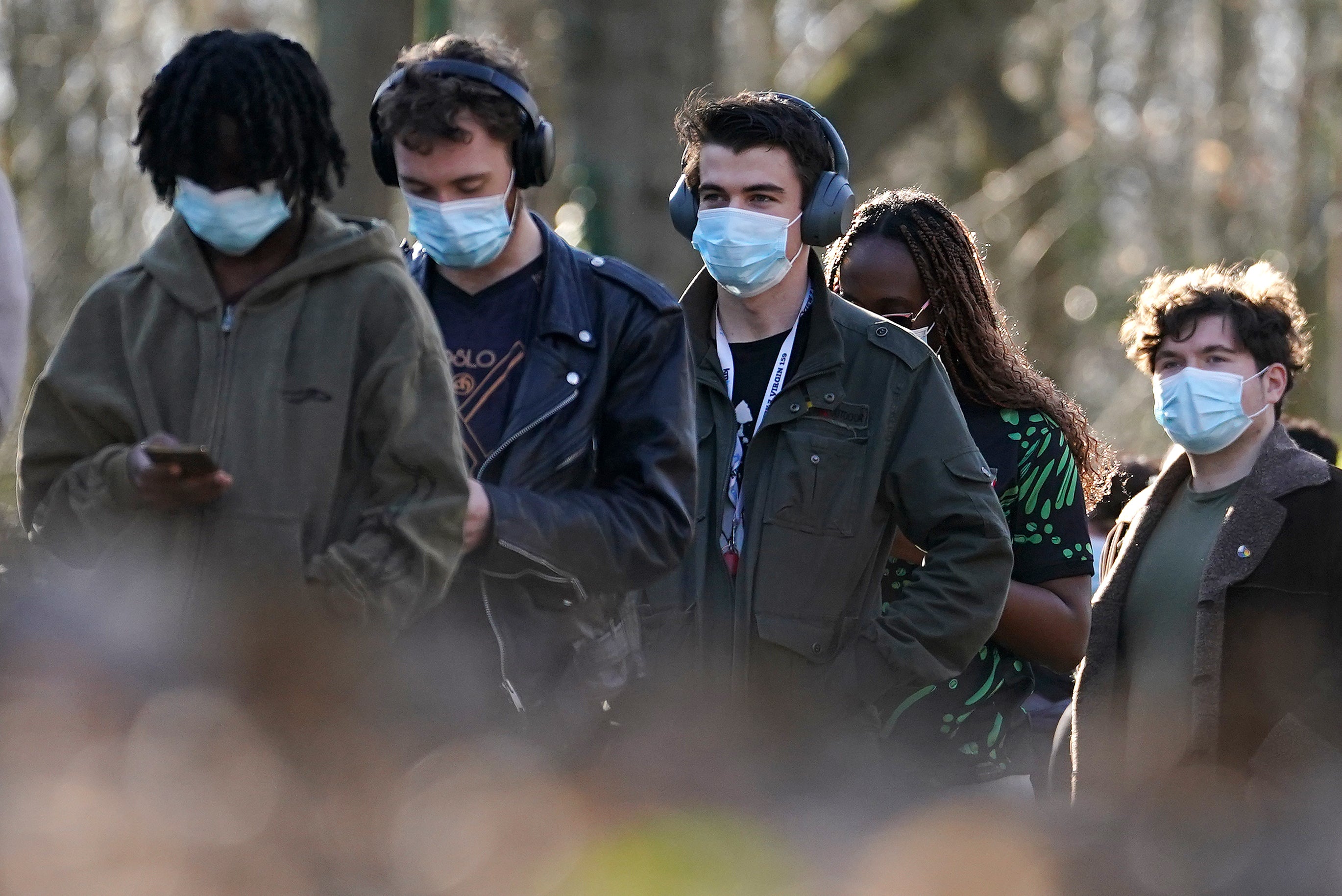
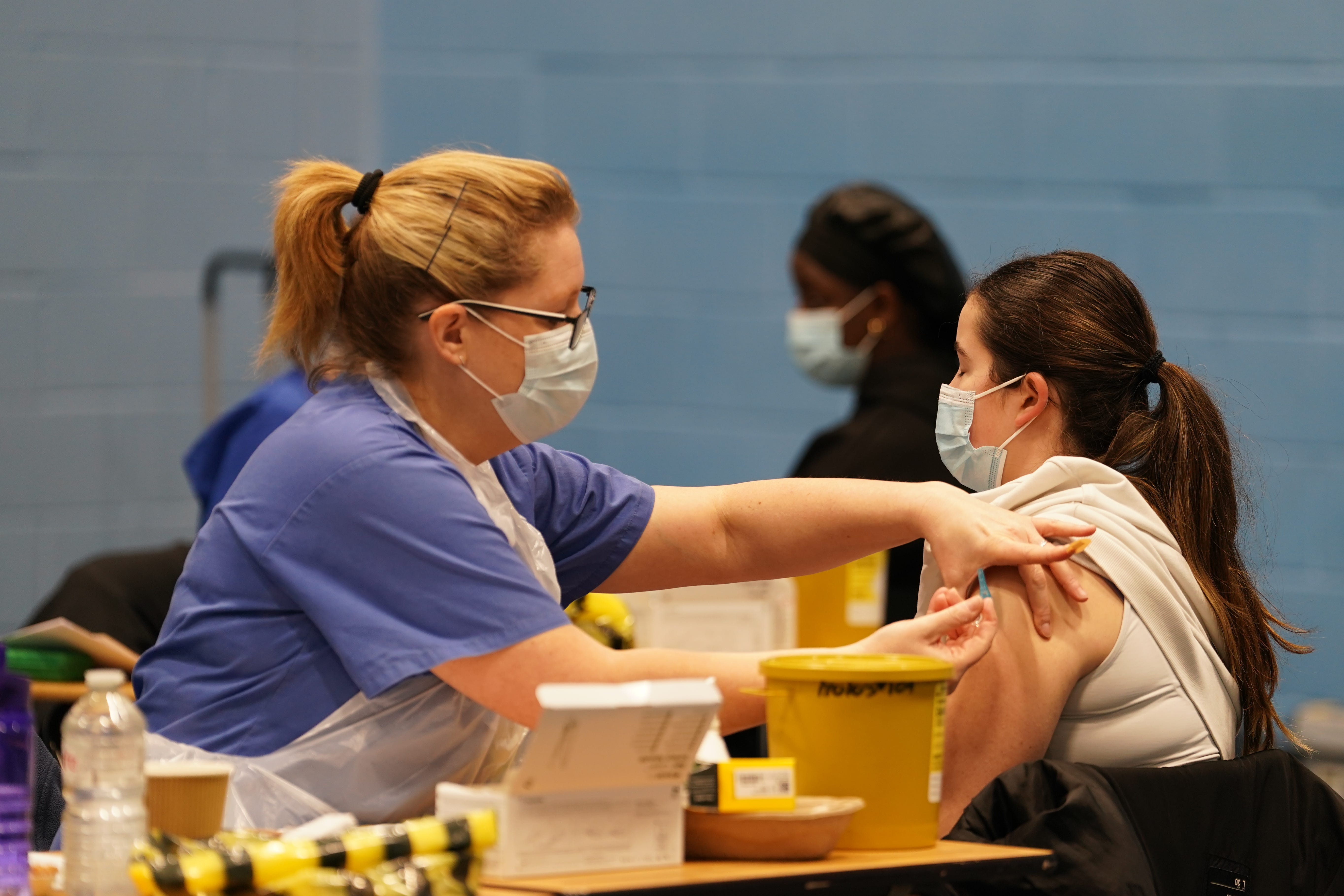
In a bid to prevent outbreaks this year, young people in the UK can now access a free vaccination programme through the NHS.
The jab is available to anyone in the Year 13 age group, as well as those who are starting university as an undergraduate or moving into further education accommodation for the first time, in autumn 2026.
Although the NHS notes the vaccine does not eliminate the chance of contracting meningitis, it can significantly reduce the risk of hospitalisation and long-term complications.
Stressing the severity of the illness, Ms Westley said: “It's not like you're just coughing and you've got an itchy throat or your muscles are a bit tired.
“A lot of people think it’s just a worse version of freshers’ flu – it’s not.”
Symptoms to be aware of include a high temperature, severe headaches, sensitivity to light, neck stiffness (not being able to touch your chin to your chest), and on some occasions, a bruise-like rash.
While rashes are often associated as a key marker of meningitis, Mr Turnbull warned: “Symptoms can occur in any order – you should never wait for a rash to appear to seek medical attention.”
For Ms Westley, awareness surrounding meningitis is the most important step to preventing its spread.
“My advice to people would just be: be proactive. Understand the symptoms and how it spreads, because I think a lot of people just don't know.
“Don’t let being careful stop you from living your life. But know what it is, so it doesn't take your life.”
More advice on the illness can be found through the Meningitis Now charity, or by calling its helpline on 0808 80 10 388.
KioskNews shows a cleaned-up reading view extracted from the publisher’s page — the original always lives on their site, not ours.