Shostakovich Symphony No 8 album review – composer’s cry of despair in a remarkable and resonant new recording

If the Leningrad was Shostakovich’s official response to the second world war, the Eighth Symphony was his answer to the question: “Will you tell us what you really think?” Written while the fighting was still under way, its immediacy remains striking today, a quality reflected in Alain Altinoglu’s purposeful interpretation with the Frankfurt Radio Symphony orchestra.
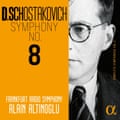
You hear that directness at once in the way the strings dig deep, bringing remarkable colours to a 26-minute Adagio that, in the wrong hands, can sound merely bleak and black. Not that Altinoglu shuns the horrors: his phrasing and textural dynamics bring fearsome weight and a sense of wide-eyed terror to the composer’s protracted cry of despair. The orchestra covers itself in glory with instrumental solos that are piquant and precise. Resonant details are captured by an outstanding German production team that manages to outdo the Berlin Philharmonic’s excellent 2020 account under Kirill Petrenko (Shostakovich fans will need both).
The second movement, a portrait perhaps of the Nazi war machine, and the third with its visceral depiction of the battlefield, shriek with terror and, here and there, the blackest humour. The passacaglia that follows is a keening survey of what has come before, leading to a shellshocked finale that balances cynicism with compassion. With persuasive accounts of the fourth and fifth symphonies released last year, this is shaping up to be an important series.
Allow content provided by a third party?
This article includes content hosted on embed.music.apple.com. We ask for your permission before anything is loaded, as the provider may be using cookies and other technologies. To view this content, click 'Allow and continue'.
KioskNews shows a cleaned-up reading view extracted from the publisher’s page — the original always lives on their site, not ours.