6 Stephen King Books That Are Perfect From Cover to Cover

A New York native, Joe graduated from an avant-garde theater school upstate, where he was obsessed with sketch comedy. There, he and his lunatic friends founded The Sketchies — which still lives on at Skidmore College today. Living in New York City, a screenwriter friend of his then taught him how to write for film. This awakened a new passion in Joe. Since then his scripts have garnered over 200 festival selections, nominations, and wins all over the globe (including the BlueCat Best Feature award). Several of his screenplays have been made into feature films — some of them not that bad! Overall, he loves to create unique, hilarious, touching, and bizarre stories.
Sign in to your Collider account
Stephen King is well-regarded as, well, the king of horror writing. Yet his genius isn’t relegated only to crafting creepy crawly creatures. Famously, he’s written some elevated dramas, like The Green Mile, and hard dramas, such as the celebrated novella Rita Hayworth and Shawshank Redemption. King is very adept at devising characters from all walks of life that, regardless of their bizarre or supernatural circumstances, are quite intriguing and relatable. He also has a real knack for revving a chapter up, imbuing it with tons of suspense, and then — bam — abruptly ending it, and beginning the next chapter, usually focused on another character, thereby keeping the reader continuously lusting for more. Again, he’s the king.
Here are the six best books of King’s — that immediately draw you in and don’t let up on the gas until the final page. The books listed here are all full narrative novels, so his story compilation editions, such as the captivating Skeleton Crew and Different Seasons, don’t make the cut. Many of King’s books have been made into fearsome films, because they are so vivid and highly cinematic in nature, and, most importantly, contain gripping stories that truly define the term “page-turner.” So, settle in for a cozy night of frights with these fantastic King tomes.
6 'The Stand' (1978)
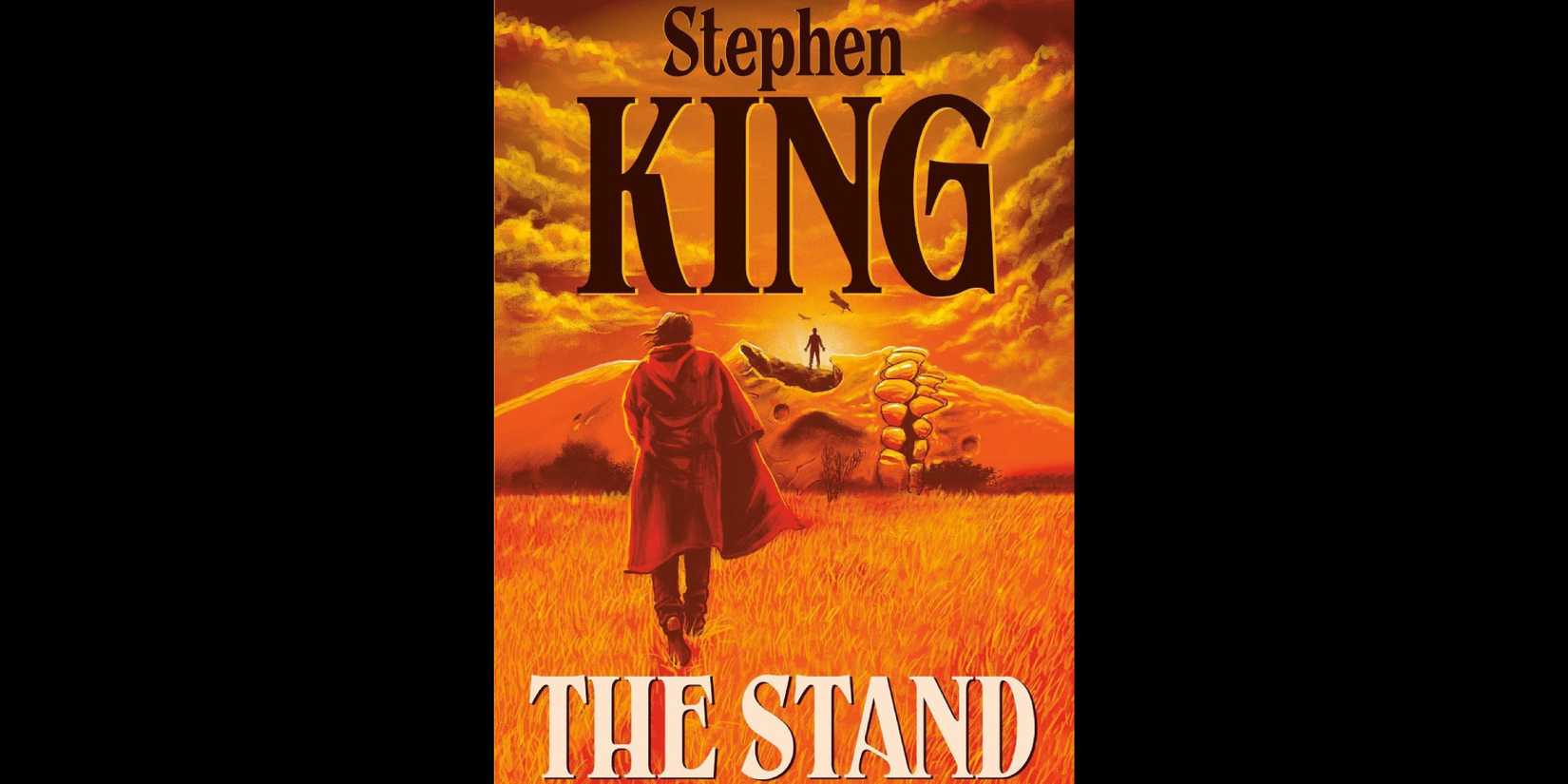
There are books, and then there are epics. The Stand falls into the latter category, as it is one of the most sprawling, comprehensive tales told since The Iliad and The Odyssey were first scribed. Here, King crafts such a complex universe, that the novel is divided into three distinct segments, or books (which later spawned the primary characters in the series The Dark Tower). It’s a novel that touches upon a variety of primal human fears and desires, and the persistent battle between good versus evil; a stirring allegory for everyday life, just, with that signature King twist.
The first edition, printed in 1978, is 1,152 pages long, and contains some of the most prescient ideas ever committed to paper. The initial portion is titled “Captain Trips,” which is a reference to a viral infection that leaks out of a lab and quickly decimates almost the entire population of earth (thanks, government). With this apocalyptic event comes an opportunity for evil-minded forces to seize power. In the next chunk of the book, “On the Border,” a group of survivors (immune to the contagion), who share dreams that unite them, somehow find each other. Naturally, they divide into two distinct teams: the good folk, who hunker down in Colorado with an impossibly old, wise, and kind woman, Mother Abagail, guiding them, and the baddies, who (obviously) head to Sin City to cavort and make (lethal) mischief. The naughty people are led by Randall Flagg, aka “The Dark Man.” So, the last chapter, “The Stand,” sees the benevolent Centennial State crew trek west to have it out with The Dark Man’s insidious acolytes. The Colorado clan plainly represents those who choose to make the world a better place, while Flagg and his cadre of criminals embody corporate and governmental greed, misinformation, and Machiavellian manipulation. “The Stand” is just what the name suggests; a refusal to back down from oppression. This book sure is long, but man, it really delivers the groovy goods.
5 'Misery' (1987)
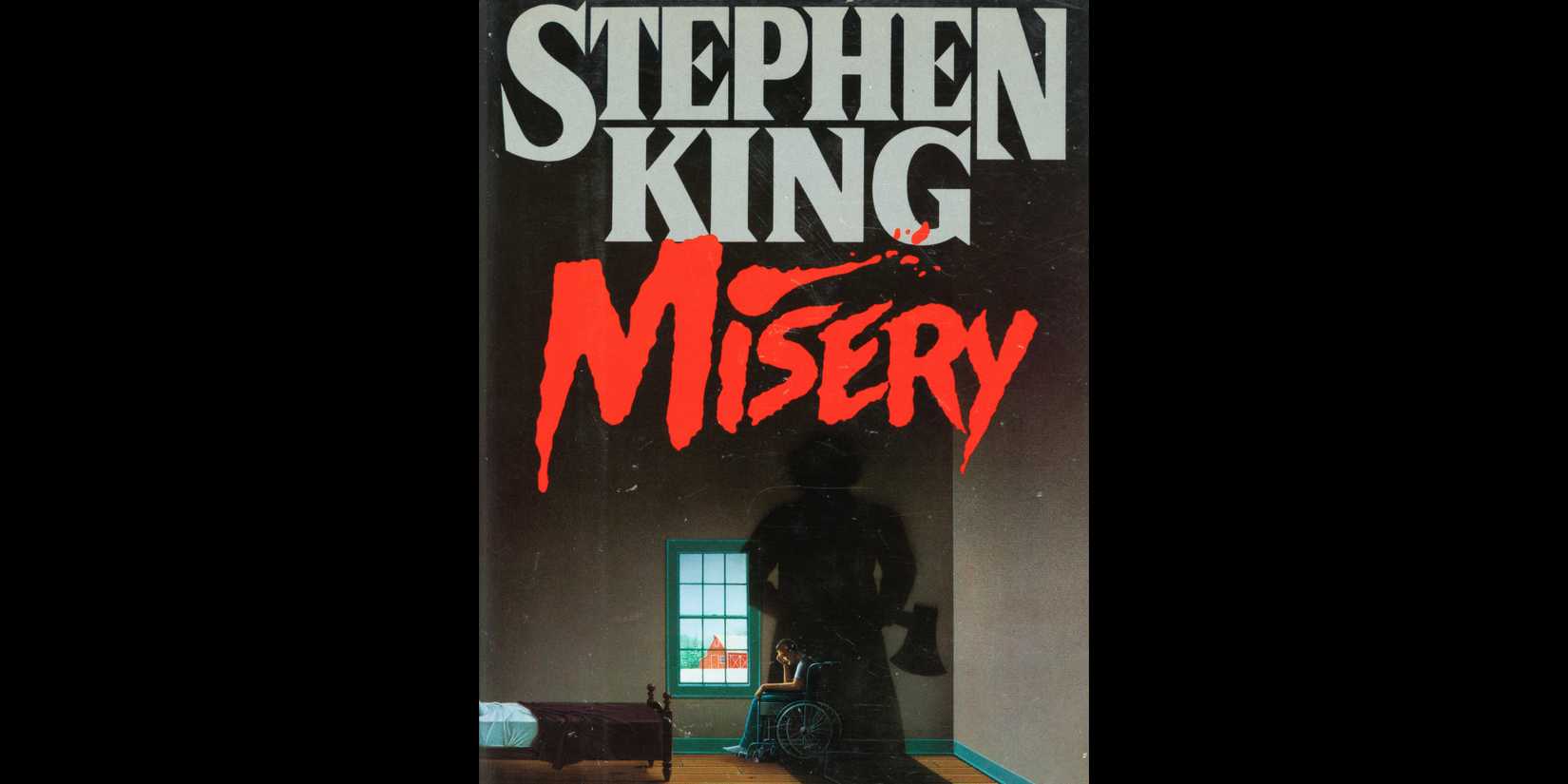
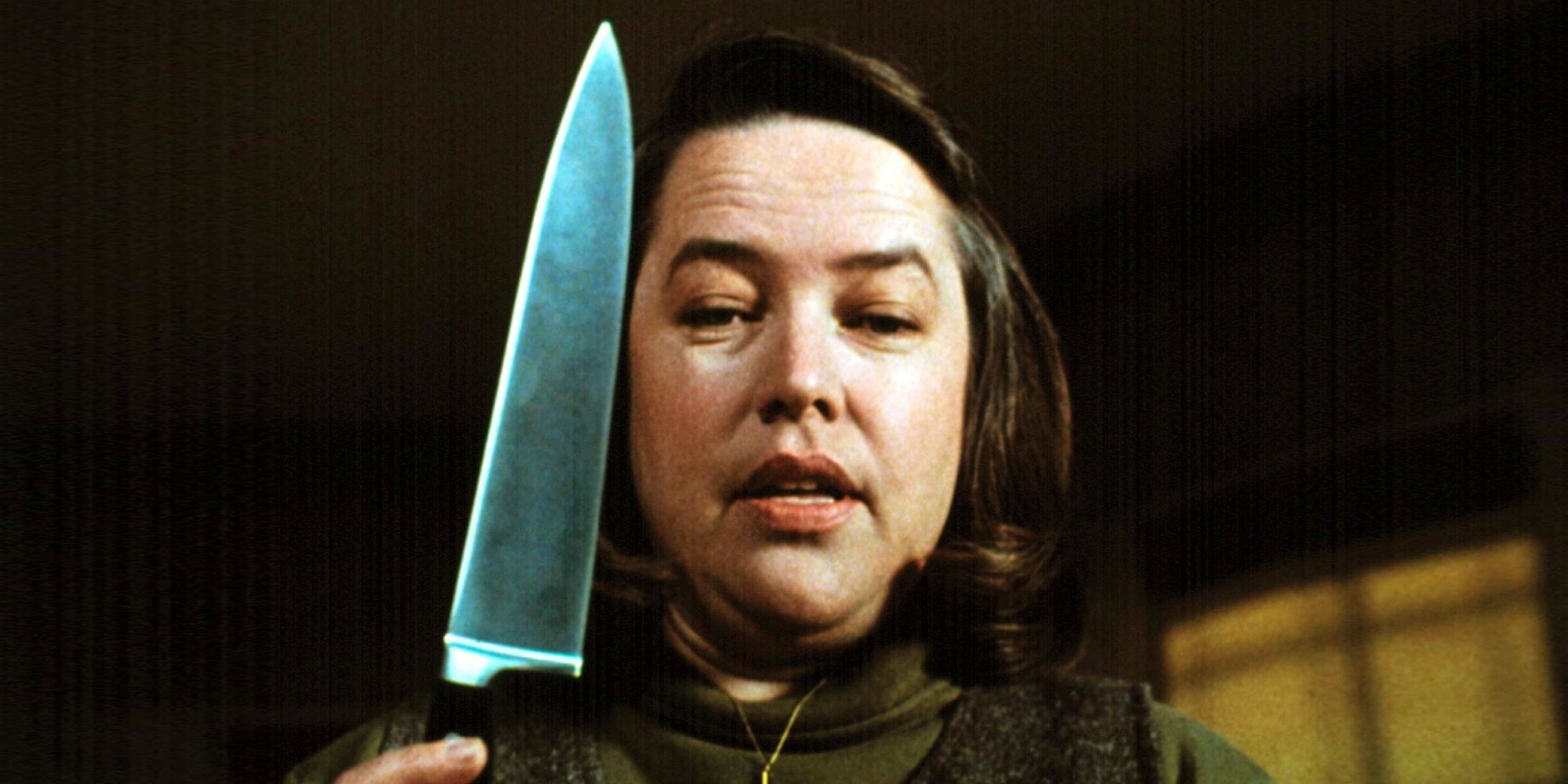
Oh, what an aptly named book. Misery, who King probably wrote in part to exercise some personal demons regarding forced motivation and gnawing writer’s block, is one of the most compelling dark thrillers of all time. With one of the shortest character lists in all of his cannon, Misery primarily focuses on two individuals, Paul, the captive, and Annie, his warden. It’s a chillingly real look at what some forms of untreated mental illness can manifest into, and how a person can be trapped, either metaphorically or literally, by another.
The story begins with Paul Sheldon waking up in a delirious haze, as some gibberish is muttered. The words eventually crystallize, and it’s clear that a woman is hovering over the incapacitated Paul, crooning that she is his “number one fan.” It’s soon revealed that Paul is a (19th century romance) novelist, with a string of hit books that involve the main character of Misery. He had just completed the last book (or so he thinks) in the Misery series, in a cabin in a remote Colorado village, and was driving back to civilization when he got into a car wreck. “Luckily” for Paul, he was “rescued” by Annie Wilkes, who “is” a nurse. She claims that Paul is too weak to be moved, the roads are snowed in, blah blah; tons of excuses why he’s now her (completely unwilling) patient. As Paul slowly heals, it becomes clear that Annie is a complete psychotic, obsessed with him and his work. When Annie reads Paul’s latest, and realizes that Misery has died in childbirth, that’s when things really get good… After months of torture at the hands of the cruel, demented Annie, Paul eventually devises a plan to escape — it’s risky, but he’s over it. The final chapter of the book sees Paul, living in New York again, as he has a hallucination of sorts, seeing Annie in the flesh. King has publicly stated that Annie doesn’t represent a particular “fanatic” of his, or even an amalgamation of fans; Annie is cocaine, his real “number one fan,” who sank “her” claws into him and simply refused to let go. Perhaps the final notion of the book is that while Annie is dead, her ghost will always linger and haunt Paul (addiction never really goes away entirely).
4 'It' (1986)
There’s something very satisfying about duel timelines (when done right), and King knows exactly how to exploit this literary device. That’s how the 1,138-page-long masterpiece that is King’s It is set up, with both timelines providing compelling information about the characters and their swinging arcs/evolutions. Mix in a demonic clown from the very bowels of hell, and you’ve got a hit.
The saga herein follows a group of kids, living in a small Maine town (the fictitious Derry) in the 50s, who deem themselves “The Losers Club.” Indeed, each one of these kids is an outcast for some reason or another, and is relentlessly bullied. Most of them come from not so solid homes, so they have that to contend with as well. And then, there just so happens to be an evil entity that resurfaces in the town every 27 years that feasts on children (and their fears). The ostensible main character, Bill Denbrough, goes through the most traumatic incident, though: his little brother, the innocent Georgie, is murdered, in the sewer. In fact, that’s how this masterwork in terror begins, with Georgie playing with a sailboat (that Bill made for him) in the gutter, and then being tempted by a “dancing clown” with a red balloon: the infamous Pennywise. This sets up one of the main themes of this stellar book: guilt. Bill feels responsible for Georgie’s death, and it gnaws at him (for his whole life). When we are introduced to the same kids as adults, we see all the ways that they have changed (yet still have been irrevocably affected by the horror still seething in their old hometown). The whole book is a reflection on childhood trauma, and how pain, no matter how deep it is buried, will always be there, ready to bubble to the surface at the least opportune of times. The book concludes with the adult “losers” returning to Derry to slay the evil force (now a giant spider) in the sewers, with some serious self-sacrifice needed to get the job done. However, Bill reflects on the events afterward, and the memories all seem to be fading away. This may represent that trauma, while still always a part of us, mercifully does dissipate over the years.
3 'Pet Sematary' (1983)
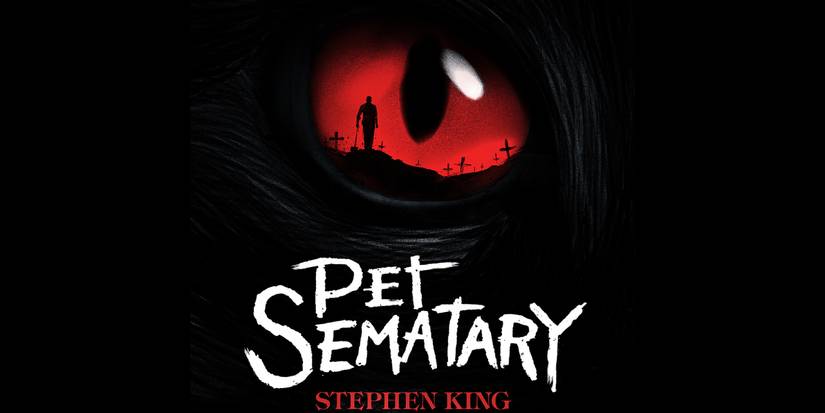
With 67 novels and novellas to his name (and some not under his name — King used the pseudonym Richard Bachman for a spell), Pet Sematary may just be his flat-out scariest. This book thematically touches on some of the most frightening things a human can conceive; the loss of a child, feelings of utter helplessness, “unburied” trauma, and all-consuming grief. It then illustrates these themes with some of the most bone-chilling images one can conjure in their minds: reanimated animals and people, evil children, glassy-eyed, cranium-smashed ghosts, and a gnarled, shrieking woman (who, if after reading her character description in the book, doesn’t give you nightmares, you have no soul).
The story is easily digestible and simply presented at the onset (quaint, even). Louis Creed has just moved with his family to a rural part of Maine to work as a physician at a nearby college. While unpacking, Louis meets his kindly old neighbor, the wise and wry Jud Crandall, who immediately assumes a “father figure” role in Louis's (rapidly diminishing) life. Everything seemed ideal, with Louis having a lovely wife, two cute kids, and a fluffy cat. Now, here’s the catch: they live alongside a road where truckers fly by, day and night. You can probably guess where this is headed… So, when Church, the kitty, is creamed by a truck, and Louis doesn’t want to face his kids and explain death to them (first mistake)…he inadvertently invites death into his home. Jud reluctantly shows Louis a Native American burial ground, out back in the woods. This place has mystical powers, and is able to raise the dead. Purrrfect. They bury Church there, and voilà: insta-alive-kitty. Except, the soil has been drained of all its positive magical powers, and anything that comes back from the grave there is beyond tainted. Now, it’s almost as if the ground is hungry for more, and wills Louis’s boy, Gage, to die in a similar manner to Church, and, yup, be buried in the sour soil… The manner King describes the way that the reanimated people look and behave is beyond terrifying. Obviously, the metaphorical aspects of this book are quite profound, as King eerily drives home the message that sometimes, you just can’t mess with nature — and you definitely can’t cheat (or reverse) death. Other authors have naturally explored this theme (hello, Mary Shelley inspired hundreds of films with her book), but for the modern age, Pet Sematary is the seminal work of please-let-the-dead-rest fiction.
2 'Salem’s Lot' (1975)
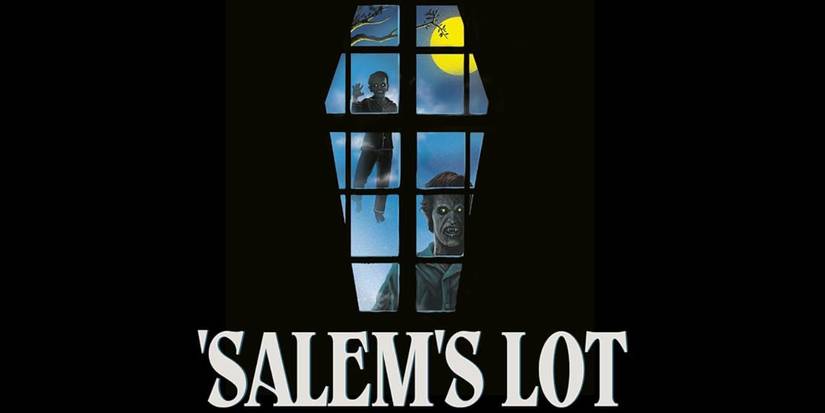
As King has tackled basically every sub-genre and niche corner of horror at some point in his storied career, his early take on vampires is one of his absolute best. The creepy-as-all-hell story in Salem’s Lot is a direct metaphor for how the rich and powerful “drain” the lower classes of everything vital (as King elucidated in the afterword of the book). Political messaging aside, this extremely taught novel is best read with the lights ON (if you eventually want to get any sleep, that is).
The story follows an author (hey, write what you know), Ben Mears, who returns to his little Maine hamlet of Jerusalem’s Lot, where he hopes to pen a novel focused on a creepy house that he had a harrowing experience in as a lil’ kid. Research becomes difficult to accomplish, since the “Marsten” house has been bought by an antiques dealer, Richard Straker, and a mysteriously absent fellow, Kurt Barlow. Further developing the symbolism of corporate evil and economic devastation of small town life, the corpuscular creatures in this tale aren’t cool and sexy, like Dracula. Rather, they appear as more of an infestation, a virus that slowly saps the town of its energy. One of the great aspects of this book is that the townspeople are not without sin themselves. Each one harbors some sort of sordid secret or somewhat devious motivation. As the characters scramble to achieve their own morally ambiguous goals, the vamps creep right in and suck away. Ben rallies some of the un-sucked and tries to defeat the nasty blood-feasters, which culminates in a dope final showdown with Barlow. Ultimately, Ben escapes with his life and eventually tries to burn the whole place down (a running theme in a lot of King’s works). It’s a gripping book throughout, with some deliciously decadent portrayals of the undead, and even more entertaining ones of the living.
1 'The Shining' (1977)
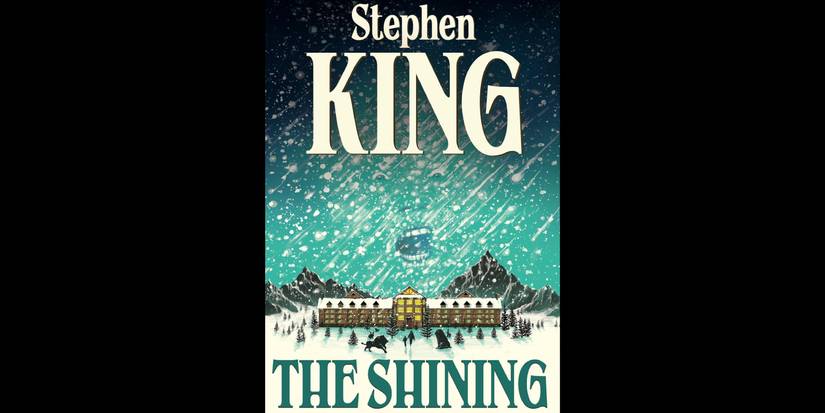
King is definitely one of the better authors at taking personal problems and channeling them into his work (by developing horrific metaphorical entities, spirits, and even evil buildings). The Shining is not really about a frustrated author dealing with writer’s block; it’s a reflection on how addiction (in this case, alcohol) can warp a person’s perspective, make them inattentive (and, sometimes, abusive) parents, and rob them of their true selves. The Overlook Hotel is the physical manifestation of this internal strife, and the way it plays the main character, Jack Torrance, like a fiddle is sublime in its unrelenting brutality.
The book opens with one of the funnier King quotes (and, there are a lot in his oeuvre), with Jack musing, “Officious little prick.” He’s in the middle of an interview with the manager of the hotel, as Jack hopes to secure the position of caretaker for the off season. Unfortunately, for him and his family, he nailed it. So, Jack, Wendy, and their son, Danny, who has a “gift” for communing with otherworldly things, head to the massive resort for the winter. The chef at the hotel, Dick Hallorann, recognizes that Danny is in touch with the other dimension (in what he calls “the shine”), and helps Danny make sense of his spine-tingling visions. So, Jack tries to write a novel, but keeps getting distracted by a host of ghosts. Some are innocuous-seeming, like the old-timey bartender, Lloyd (although, this figure is the one who successfully tempts Jack to break his sobriety), some are initially alluring, like the woman in the tub (until she morphs into a revolting corpse), and some are just downright terrifying, like Delbert Grady, the guy who had the caretaker job before Jack and murdered his family and then delivered a shotgun blast to his own noggin. Vacillating between two timelines, one being the present and the other being the Roaring 20s, where madcap parties took place at the historic hotel, Jack’s grip on reality begins to slip. He eventually succumbs to the demands of the hotel, as he completely loses himself and attempts to take an axe to his loved ones. The book concludes with the boiler in the hotel exploding, killing Jack and destroying the cursed grounds. The takeaway may be that the only way to overcome the addiction monster is to either maintain a rock-solid inner fortitude, or simply blow the whole thing up. No matter how one interprets things, this is one of the scarier and more intriguingly designed books of all time.
KioskNews shows a cleaned-up reading view extracted from the publisher’s page — the original always lives on their site, not ours.