I wake up and my heart starts racing: A cardiologist explains why
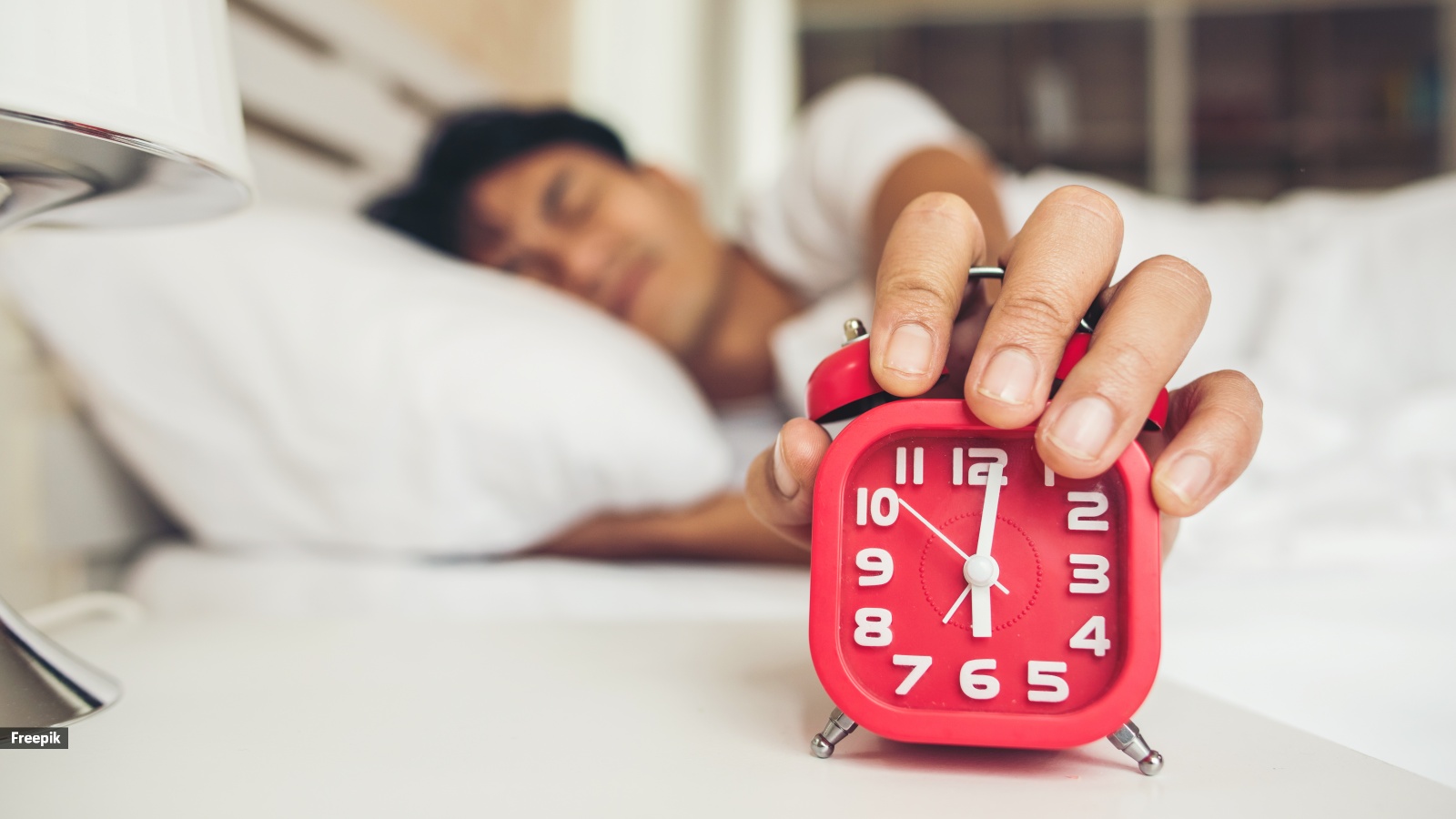
Waking up suddenly with your heart pounding or racing can be startling, especially when it happens out of nowhere and settles within a few seconds.
But what causes this sudden change in heart rate? Could it simply be a vivid dream or sudden awakening, or can it sometimes point to a heart rhythm problem?
A similar query was posted on Quora: Anybody suddenly wakes up, and then their heart starts racing for 30 seconds or so; if so, what caused it?
We reached out to Dr Aseem Dhall, Director & HOD, Cardiac Sciences, ISIC Multispeciality Hospital, seeking answers.
DISCLAIMER: This article is based on information from the public domain and/or the experts we spoke to. Always consult your health practitioner before starting any routine.
Why does the heart suddenly race after waking up?
“A brief episode of a racing heartbeat immediately after waking up is quite common and is often not a cause for concern,” Dr Dhall tells indianexpress.com.
One reason is the sudden transition from sleep to wakefulness. “It can occur when the body suddenly shifts from a sleep state to an alert state, triggering the release of stress hormones such as adrenaline,” Dr Dhall explains.
Story continues below this ad
“When you wake abruptly, your nervous system can rapidly activate the body’s ‘fight-or-flight’ response, temporarily increasing heart rate,” Dr Dhall says.
Other possible triggers include vivid dreams, nightmare, sudden awakening, anxiety, emotional stress, dehydration, caffeine intake, poor sleep, adrenaline surge, and sleep disturbances.
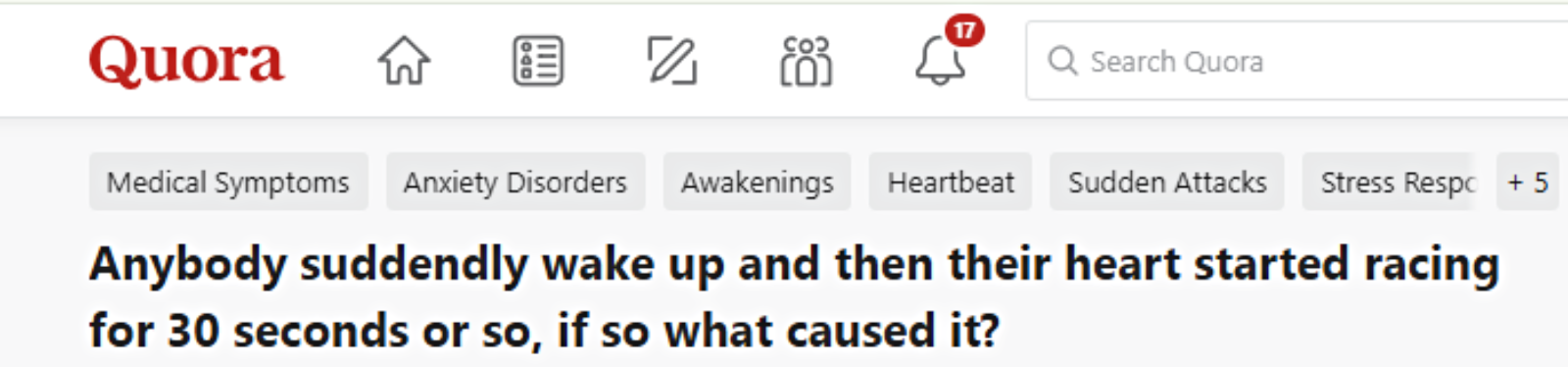 Screenshot of the query posted on Quora
“During REM sleep, the body’s nervous system remains active, and intense dreams can trigger the same physical reactions as real-life situations,” Dr Dhall explains.
However, Dr Dhall clarifies that in many people, the heartbeat returns to normal “within seconds” and does not indicate a serious heart problem.
Story continues below this ad
When could a racing heartbeat indicate a heart rhythm problem?
A brief racing heartbeat is usually harmless if it lasts only a few seconds, resolves on its own and occurs infrequently without other symptoms.
However, Dr Dhall notes that it may indicate a heart rhythm disorder if it happens repeatedly, lasts several minutes, occurs without any obvious trigger or feels unusually fast or irregular.
Conditions such as atrial fibrillation, supraventricular tachycardia or other rhythm abnormalities can sometimes present this way. Persistent or recurrent episodes should be assessed by a cardiologist.
What symptoms alongside a racing heartbeat should not be ignored?
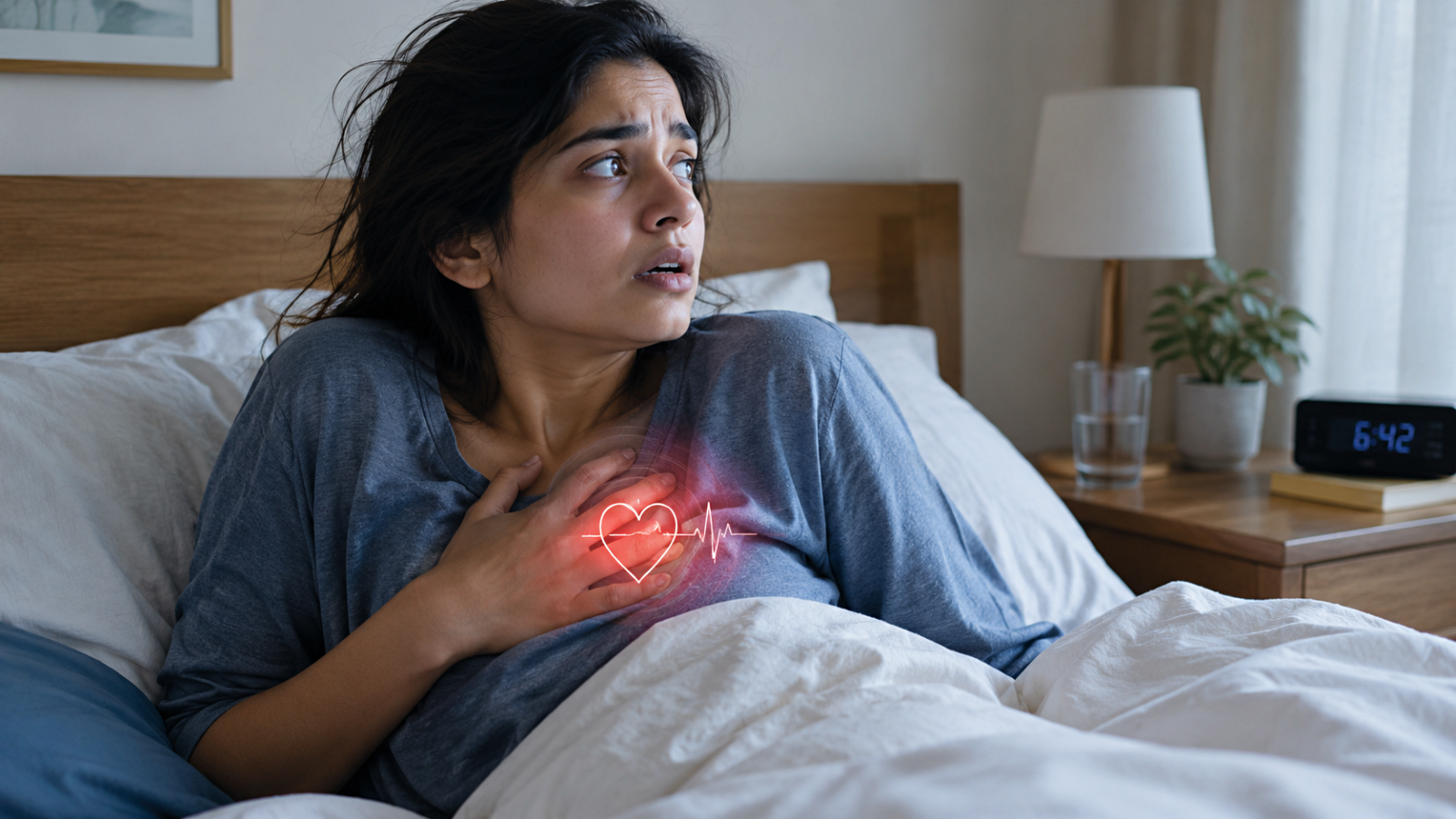 Emotional stress, anxiety, nightmares, dehydration, excess caffeine, alcohol intake, or certain medications can also cause it
A racing heartbeat should not be ignored if it is accompanied by chest pain, shortness of breath, dizziness, fainting, severe weakness, excessive sweating, confusion or a feeling of near collapse.
Story continues below this ad
“These symptoms may suggest that the heart is not pumping blood effectively or could indicate a serious cardiac condition,” Dr Dhall points out.
An irregular heartbeat, especially in older adults or individuals with existing heart disease, also warrants medical attention. Seeking prompt evaluation can help identify and treat potentially serious underlying causes.
What tests may be needed if it keeps happening?
If episodes of a racing heartbeat become frequent or recurrent, medical evaluation is recommended.
“Common tests include an electrocardiogram (ECG) to assess heart rhythm, a Holter monitor or ambulatory ECG monitor to record heart activity over 24 hours or longer, blood tests to check thyroid function and electrolyte levels, and an echocardiogram to evaluate heart structure and function.”
Story continues below this ad
Depending on the symptoms, a sleep study may also be advised to rule out sleep apnea, which can contribute to nighttime palpitations.
‘Heart has been trending on Google for the past 24 hours’.
DISCLAIMER: This article is based on information from the public domain and/or the experts we spoke to. Always consult your health practitioner before starting any routine.
KioskNews shows a cleaned-up reading view extracted from the publisher’s page — the original always lives on their site, not ours.