Fuelling Longevity: Don’t let the seed oil debate stop you from enjoying your salad
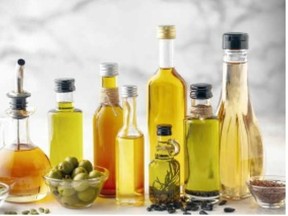
Seed oils have become the latest nutrition battleground. If you scroll through social media you’ll find claims that these everyday cooking oils cause inflammation and chronic disease. If you’re interested in longevity, you may wonder: Should they be banished from the kitchen?
Sign In or Create an Account
As dietitians, part of our job is helping people make sense of nutrition research — including understanding that not all evidence carries the same weight. So let’s separate the internet noise from what the science tells us.
What are seed oils?
Seed oils are simply oils extracted from plant seeds. Common examples include canola, corn, cottonseed, grapeseed, soybean and sunflower oils. They’re rich in unsaturated fats, are affordable, versatile and relatively neutral in flavour, making them useful for sautéing, roasting and salad dressings. They’re also widely used in packaged and ultra-processed foods — and that’s where some of the confusion begins.
What’s the issue?
Much of the criticism centres on omega-6 fatty acids, particularly linoleic acid, which is abundant in many seed oils. The argument goes something like this: omega-6 fats are involved in inflammation; inflammation is associated with chronic disease; therefore, eating seed oils must cause inflammation. It may sound logical, but there are missing links.
What’s the science?
Omega-6 fats are essential fatty acids, meaning our bodies need them but cannot make them. We need both omega-6 and omega-3 fats for normal cell function and other important processes.
While some laboratory and animal research has raised questions about omega-6 fats and inflammation, findings in rodents don’t necessarily translate to humans. Human research does not show that typical intakes of omega-6 fats increase inflammation. In fact, replacing saturated fats with polyunsaturated fats — the type found in many seed oils — is associated with lower cardiovascular risk.
There’s also no need to worry about achieving a particular omega-6-to-omega-3 ratio. A more useful goal is to include omega-3-rich foods such as salmon, sardines, walnuts, chia and ground flax.
What about processing?
Yes, seed oils are refined. But “processed” doesn’t automatically mean harmful and claims that ordinary seed oils are inherently dangerous or loaded with trans fats aren’t supported by current evidence.
Dietitian’s bottom line
If you enjoy olive oil, use it. But if canola, soy or vegetable oil is in your cupboard, there’s no compelling reason to throw it out. I wouldn’t recommend replacing seed oils with large amounts of butter, lard or beef tallow. These fats contain more saturated fat, and swapping unsaturated fats for more saturated fat isn’t a longevity strategy.
Instead, consider the whole plate. Eat plenty of vegetables and fruit, whole grains and legumes. Include nuts, seeds and fish. Get enough protein. Cook when you can and enjoy your food.
When it comes to longevity, the type of oil you use matters far less than the overall pattern on your plate. And please don’t let the seed-oil debate keep you from enjoying a delicious salad with a simple vegetable-oil-based dressing.
Lucia Weiler is an award-winning Registered Dietitian (RD) in private practice who turns nutrition science into life-changing advice for vibrant living atweilernutrition.com
Everyday Vinaigrette
for Salad Dressings
This simple dressing, adapted from Canadian food writer Anne Lindsay, is one of my favourites. It works with almost any combination of salad greens and takes minutes to make.
Makes: 6 tbsp (90 mL)
2 tbsp (25 mL) olive or vegetable oil
2 tbsp (25 mL) lemon juice or rice
balsamic, or apple cider vinegar
2 tbsp (25 mL) water
1 small clove garlic, minced
1 tsp (5 mL) Dijon mustard
Freshly ground pepper
Wash your hands. Combine all ingredients in a bowl or jar and mix or shake well. Once you remember the simple vinaigrette formula — equal parts oil, acid and water, plus garlic, mustard and pepper — you may never need the recipe again.
Join the Conversation
This website uses cookies to personalize your content (including ads), and allows us to analyze our traffic. Read more about cookies here. By continuing to use our site, you agree to our Terms of Use and Privacy Policy.
KioskNews shows a cleaned-up reading view extracted from the publisher’s page — the original always lives on their site, not ours.