UK nightlife shows signs of recovery as industry demands government support in Budget

The UK’s late-night economy has recorded its first growth in over a year, although industry representatives caution that these early signs of stability follow a contraction of more than a quarter since the start of the pandemic.
The Night Time Industries Association (NTIA) has called upon chancellor John Healey to use his upcoming autumn Budget statement to help place the sector back on the path to recovery.
Data produced alongside market analysts NielsenIQ revealed that the number of operating venues across the late-night economy increased by 0.4 per cent between March and June, net of closures. These figures incorporate bars, nightclubs and casinos that open late into the night.
This represents the first expansion in the sector's size since March 2025, which the trade body described as a modest but significant turnaround following years of steady shrinking.
However, overall venue numbers remain 3.1 per cent lower than in June last year, according to the research.
Its analysis also unveils a steep decline since the Covid-19 pandemic, with nearly 29 per cent of Britain’s late-night economy disappearing since March 2020.

This has been driven by a 36 per cent decline in the number of nightclubs, which have been hit the hardest by the post-pandemic recovery and a broader shift in consumers’ going-out habits.
In contrast, the total number of bars has increased by 3.1 per cent since pre-Covid, marking the only major sub-sector to have grown in size in the past six years, according to the report.
Michael Kill, NTIA’s chief executive, said: “Britain’s nightlife has spent six years taking hit after hit, and these figures show just how much we have lost.
“Almost three in 10 late-night venues have disappeared since Covid and more than a third of our nightclubs have gone.
“For the first time in a long time, however, we can see the beginnings of something different.
“Venue numbers have edged upwards, entrepreneurs are investing and consumers are still demanding new experiences.
“There is a recovery waiting to happen, but the government now has to decide whether it wants to accelerate it or tax and cost it out of existence.”
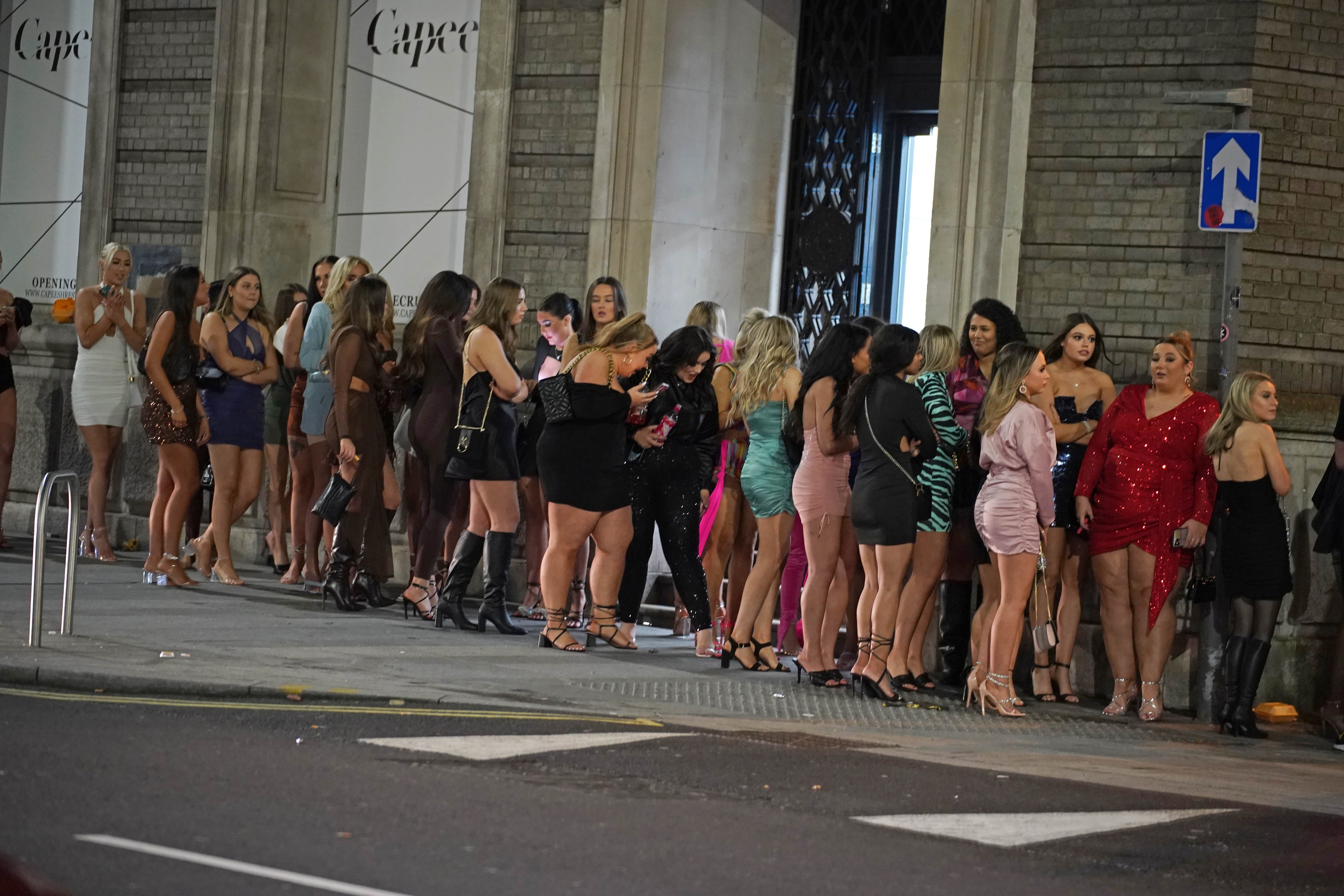
Mr Kill said businesses in the industry “need meaningful action on taxation and the cost of operating, alongside serious investment in transport, safety and late-night infrastructure”.
Nightclubs and bars have been among businesses in the hospitality industry calling for more support on costs such as business rates – a tax on the value of properties – and employers’ national insurance contributions.
It also comes amid changing consumer habits, with NIQ’s data showing that the share of sales made in the late evening and into the night have dropped as consumers shift to going out and returning home earlier in the day.
Across the wider night-time industry, encompassing all licensed premises in Britain, the total number of venues was more or less flat in the three months to June, the report showed.
KioskNews shows a cleaned-up reading view extracted from the publisher’s page — the original always lives on their site, not ours.