Thailand pushes creative economy to become a Creative Nation

Thailand is looking to its creative economy as a new engine of growth, with the Creative Economy Agency (CEA) seeking to turn local culture, talent and city identities into economic opportunities and attract visitors and investment from around the world.
CEA says the country’s creative economy is currently worth about 1.7 trillion baht, equivalent to 10.8% of Thailand’s gross value added (GVA), with nearly 1 million people working in creative industries.
The World Bank’s Building Thailand’s Future Today (2026) report has identified creative industries as one of five sectors with strong potential to drive future productivity, investment and quality employment in Thailand.
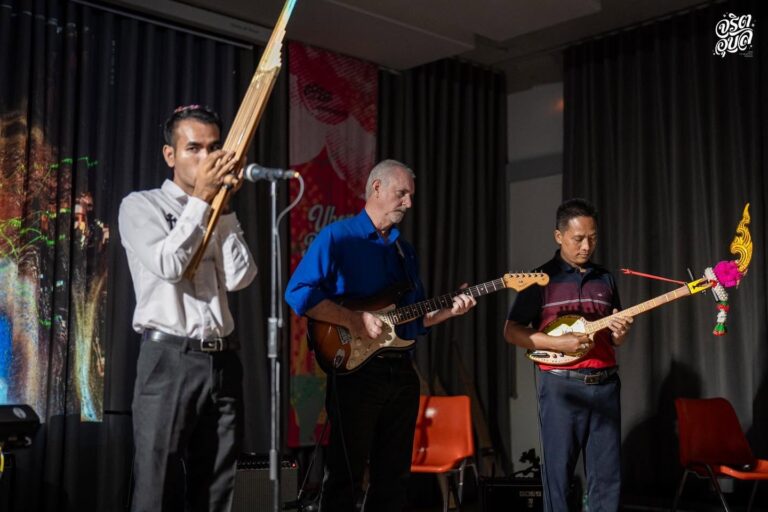
CEA says developing the sector requires simultaneous investment in people, businesses and cities, allowing local communities to build on their existing cultural and creative assets.
Local food, crafts, culture, design and creative talent can be developed into products, services, experiences and content that reflect the identity of individual cities, while festivals and other creative activities can help connect those identities with tourism and investment opportunities.
Festivals become platforms for local growth
One of CEA’s key tools is the development of creative festivals as platforms for local economic activity.
Its Festival Creator 2026 programme, now in its second year, aims to strengthen the skills of local festival organisers and encourage events that reflect the identity of their communities.
The programme focuses on three levels: developing people with professional event-management skills; helping festivals establish distinctive identities; and using festivals to generate jobs, income and new recognition for their host cities.
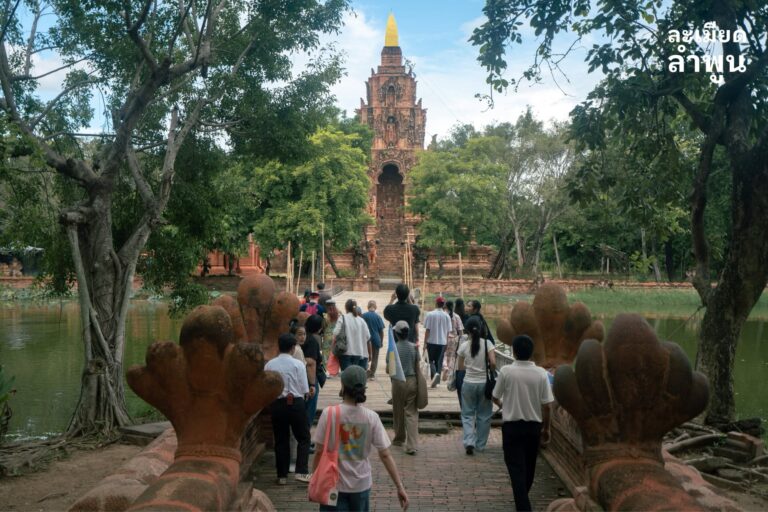
Six festivals in five provinces are receiving support this year: Kenduri Seni Tolong Menolong 2026 in Pattani; TAK: A Taste of Roots in Tak; Pakad Art Awakening Market Vol. 2 in Chiang Rai; Hug HeartYai and Singorama Art Fest 2026 in Songkhla; and Taiban Land Camp in Sisaket.
CEA says the festivals provide platforms for local people to showcase their skills, build networks, experiment with new ideas and create business opportunities.
The approach is part of CEA’s wider concept of turning cities into a “City as a Stage”, where artists, designers, entrepreneurs and communities can work together to create new economic and cultural value.
Building city brands from local identity
CEA is also working on city branding through its Neramyth City: Branding Cities into Creative Assets project, in cooperation with the Tourism Authority of Thailand and nine model cities: Phetchaburi, Sakon Nakhon, Nakhon Si Thammarat, Pattani, Ratchaburi, Lamphun, Sisaket, Sing Buri and Ubon Ratchathani.
The agency says city branding is not simply about creating a logo, slogan or mascot. Instead, it involves identifying the “DNA” of a city through collaboration between government, businesses, communities, artists, creative professionals and residents.
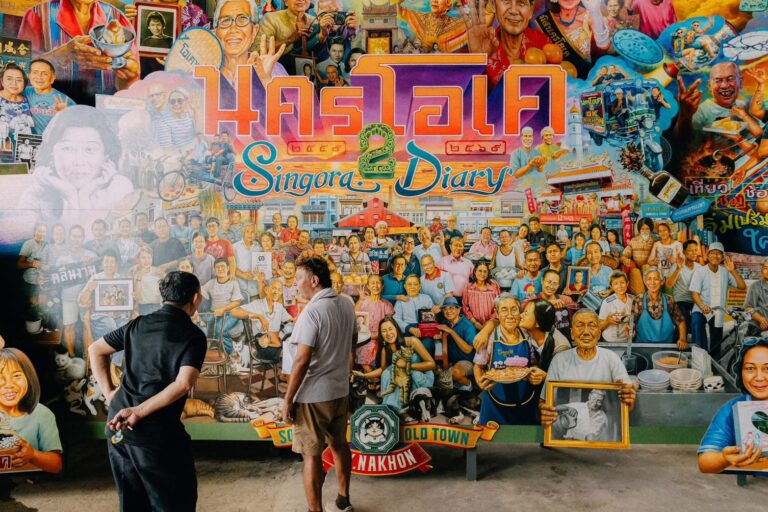
The project involves three main stages: developing a city brand strategy, testing the brand through real-world activities and experiences, and developing the city’s brand identity.
The resulting identities include “Ubon the Beautiful Paradox” for Ubon Ratchathani, “Sappaya Sakon: The Beauty of the Ordinary” for Sakon Nakhon and “Phetchaburi: City of Origins” for Phetchaburi.
Lamphun is presented through “Fine Lamphun”, highlighting its culture of craftsmanship and attention to detail, while Sing Buri uses “Singburi Spirit” to reflect its sporting achievements and traditional crafts.
Pattani’s “Di Pattani: We are Pattani” focuses on the creativity of local people, while Sisaket’s “City of Creative Sounds” draws on the voices of its people, nature, culture, lifestyles and creative communities.
From local festivals to global destinations
CEA’s longer-term ambition is to position Thai cities and creative festivals as global destinations.
Under the strategy, festivals are viewed not simply as annual events but as marketing, economic and city-branding platforms that can attract visitors, investment and international networks.
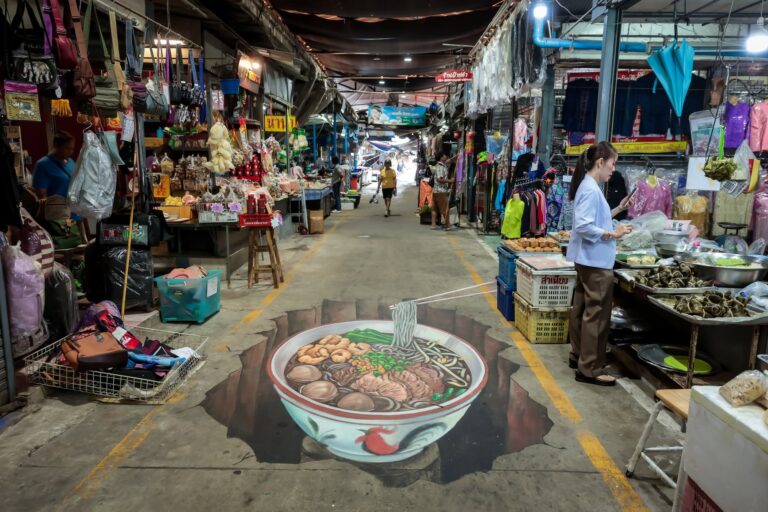
CEA also aims to create an ecosystem connecting people, festivals, cities, businesses and international partners so that economic activity and awareness continue beyond the festival period.
The agency says the approach can help spread economic opportunities beyond Thailand’s traditional centres, allowing communities across the country to build businesses and livelihoods around their own creative assets.
The broader goal is to strengthen Thailand’s position as a Creative Nation, while developing cities that are increasingly attractive places to live, invest and visit.
KioskNews shows a cleaned-up reading view extracted from the publisher’s page — the original always lives on their site, not ours.