America's beef supply shrinks as cattle farmer warns 'the numbers are just not here anymore'
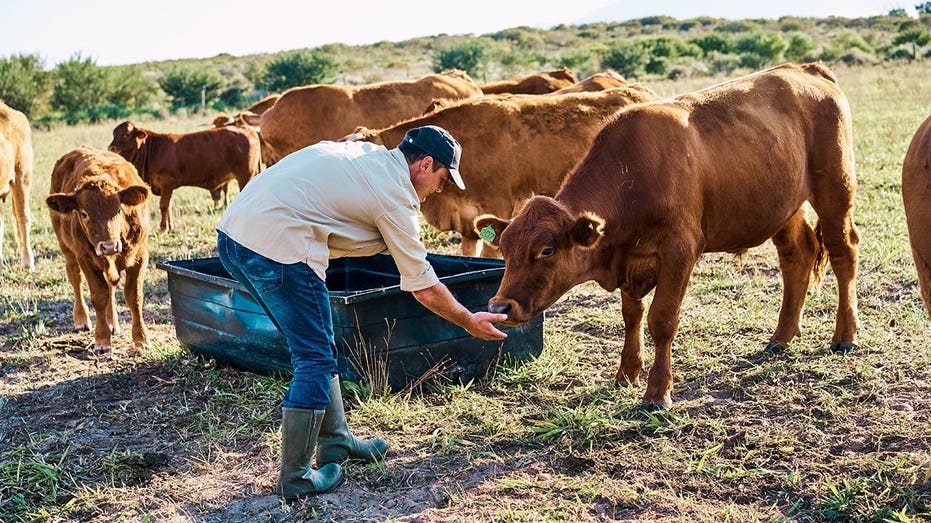
Americans are seeing less beef produced domestically as cattle numbers decline, adding pressure to a market already facing high prices.
U.S. commercial beef production totaled about 14.4 billion pounds from January through July 2026, down from roughly 15.2 billion pounds during the same period last year, according to U.S. Department of Agriculture (USDA) data.
The number of cattle commercially slaughtered also declined, falling from about 17.5 million during the first seven months of 2025 to 16.2 million during the same period this year, USDA data shows.
NFL LEGEND REVEALS WHY EATING 'REAL FOOD' AFTER RETIREMENT LED HIM TO RAISE HIS OWN BEEF
Will Harris, a fourth-generation cattle farmer and owner of White Oak Pastures in Bluffton, Georgia, told Fox News Digital that years of financial pressure have contributed to farmers reducing their herds.
"Cattle farmers have for so long not made a profit that they have liquidated their herds, and the numbers are just not here anymore," Harris said.
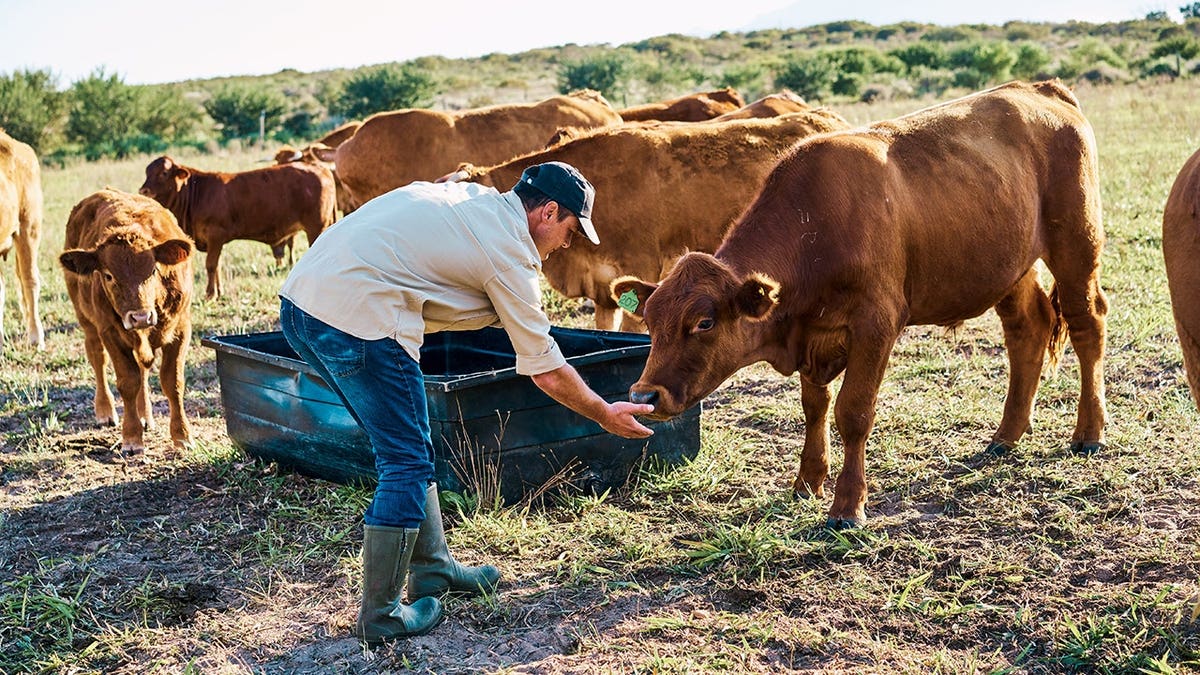
Americans are seeing less beef produced domestically as cattle numbers decline, adding pressure to a market already facing high prices. (iStock)
Harris said higher cattle prices have not yet led to the kind of expansion among producers that he has seen during previous cycles.
"What's different is the higher prices the farmers are getting is not causing them to go back into business," he said.
CLICK HERE TO SIGN UP FOR OUR LIFESTYLE NEWSLETTER
Starting or expanding a cattle operation can require significant investments in land, equipment and livestock, which Harris said can make it difficult for new producers to enter the industry.
"There's so much money involved in owning land and equipment and livestock that it's just very hard for a person who is not producing to say, 'I think I'll start a farm,'" he said.
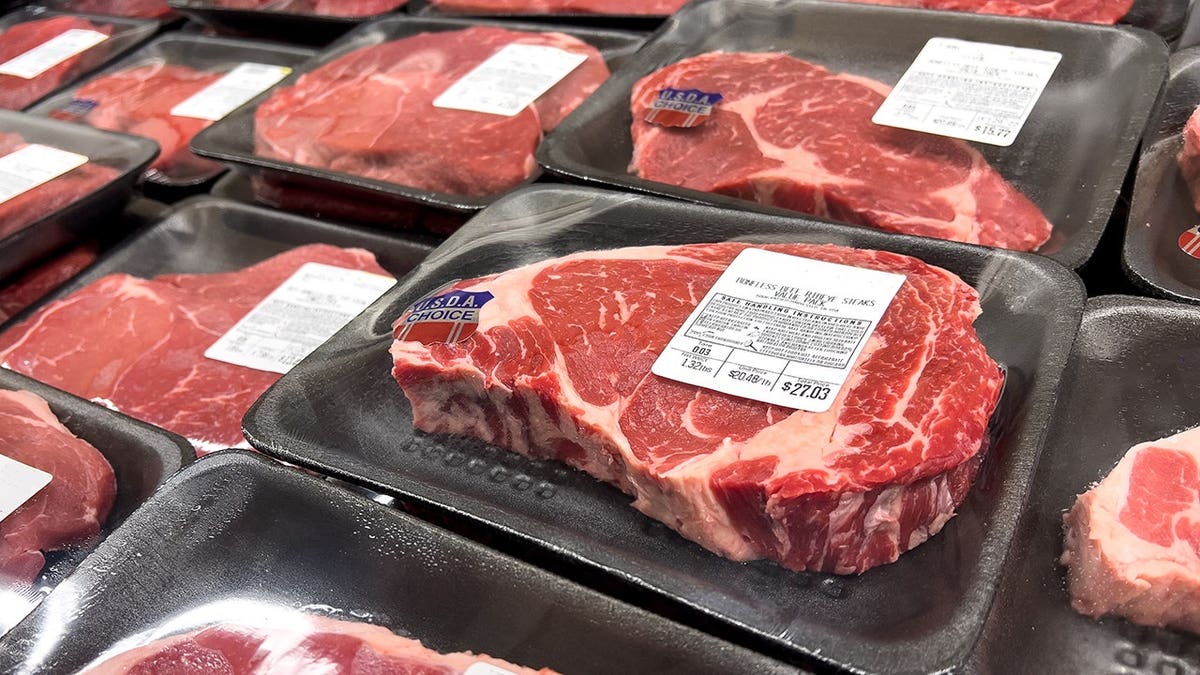
A Georgia farmer said financial pressure has contributed to farmers reducing their herds. (iStock)
Harris also expressed concern about the amount of beef the U.S. imports and what he sees as increasing dependence on foreign supplies.
"What is happening is that the United States is becoming a larger and larger net importer of beef," Harris said.
CLICK HERE FOR MORE LIFESTYLE STORIES
The U.S. both imports and exports beef, with trade patterns influenced by domestic production, consumer demand and global markets, according to USDA data.
Harris has experienced a major shift in the way cattle are raised over his decades in the industry.
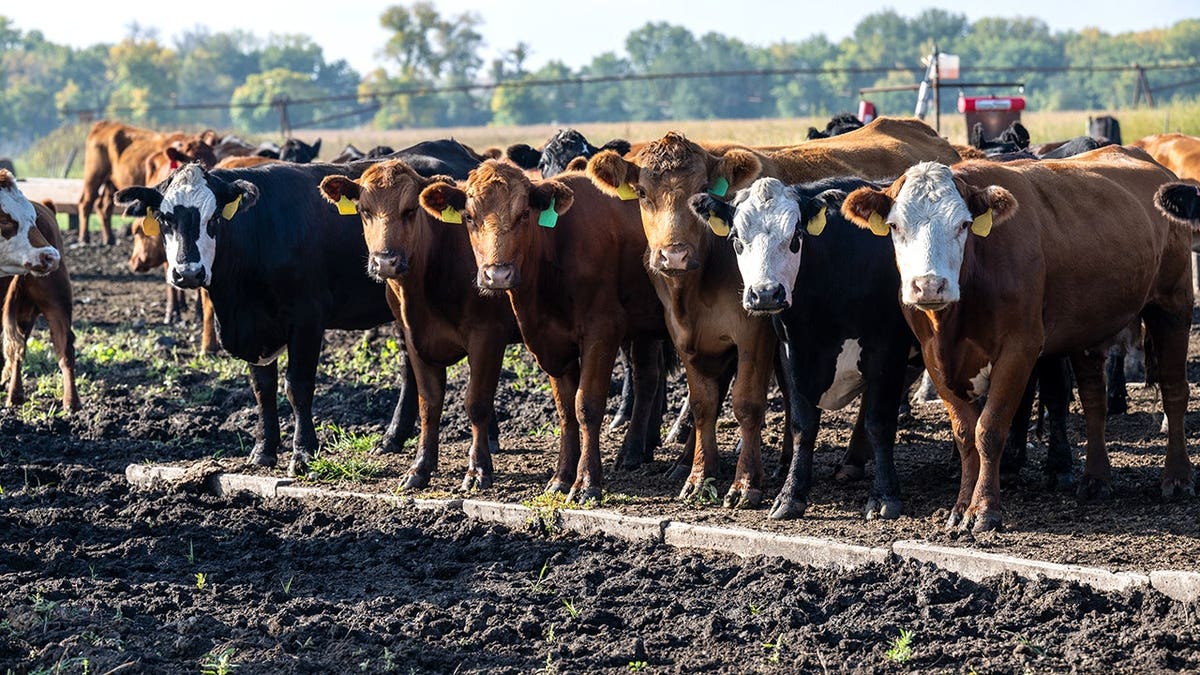
U.S. commercial beef production totaled about 14.4 billion pounds from January through July 2026, down from roughly 15.2 billion pounds during the same period last year. (iStock)
After graduating from the University of Georgia with a degree in animal science in 1976, Harris returned to his family's farm and initially followed conventional farming practices, including the use of chemical fertilizers, antibiotics and growth-promoting technologies.
Over time, he said, concerns about the long-term effects of those practices led him to change the way he operated the farm.
TEST YOURSELF WITH OUR LATEST LIFESTYLE QUIZ
"They offered a performance boost in the short run," Harris said. "In the long run, they were literally damaging my land, my farm, my community."
The farm now follows what Harris describes as regenerative agriculture, an approach he said is intended to work more closely with natural cycles rather than relying on conventional monoculture practices.

The U.S. imports and exports beef, with trade patterns influenced by domestic production, consumer demand and global markets, according to USDA data. (iStock)
For consumers trying to understand how their beef was raised, Harris said labels alone may not always provide all the information.
"It's increasingly important that that consumer knows something about the farm that the food is raised on," he said.
CLICK HERE FOR MORE LIFESTYLE NEWS
Harris encouraged consumers who are interested in how their food is produced to research farms and producers and, when possible, buy closer to home.
"I wish that consumers would find a more local producer that they could do business with, they could support to help that guy stay in business," he said.
CLICK HERE TO DOWNLOAD THE FOX NEWS APP
Fox News Digital reached out to the National Cattlemen's Beef Association (NCBA) for comment.
Kelly McGreal is a production assistant with the lifestyle team at Fox News Digital.
KioskNews shows a cleaned-up reading view extracted from the publisher’s page — the original always lives on their site, not ours.