Man charged by US over illegal shipment of Nvidia chips to China
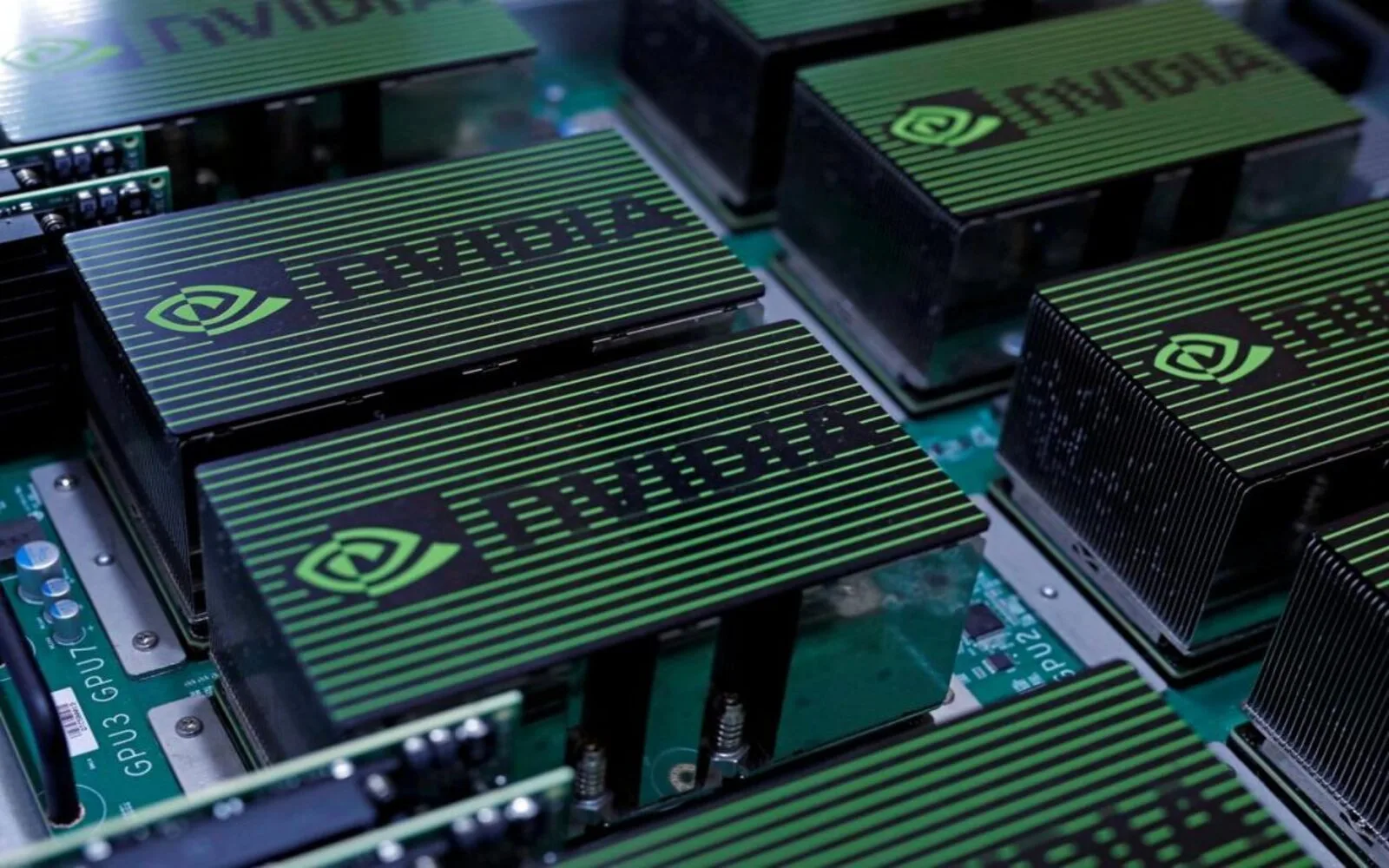
Federal prosecutors arrested a California man on Thursday on charges of smuggling computer servers containing US$300 million worth of Nvidia Corp artificial intelligence (AI) chips to China in violation of US export controls.
Authorities said that Greg Lui, the owner of privately held Earthmade Computer Inc worked with other unidentified co-conspirators from 2023 to 2024 to ship servers containing the restricted chips to buyers in China without the required US licenses.
The charges against Lui mark the latest in a series of federal prosecutions of individuals accused of violating export controls aimed at keeping advanced US-made chips out of Chinese hands over national security concerns.
In March, authorities charged a co-founder of Super Micro Computer Inc, with illegally diverting billions of dollars in Nvidia chips to China. He pleaded not guilty.
Lui, 38, was expected to be arraigned later in the day, the justice department said in a statement.
“He’s facing one count each of conspiracy to violate US export controls, outbound smuggling and conspiracy to commit money laundering,” the agency said.
Prosecutors argued in a court filing that Lui should be detained without bail because of a “serious risk” he would flee if released.
“This defendant allegedly used false paperwork and shipments through third countries to smuggle more than US$300 million in export-controlled computer servers to China,” said First Assistant US attorney Bill Essayli in Los Angeles.
“We will aggressively prosecute those who put our national security at risk for profit,” he said.
The justice department said that Lui and others exported the equipment initially to Malaysia and Singapore, jurisdictions that don’t require licenses for the purchases of advanced AI chips from US companies.
The servers were then shipped to the ultimate buyers in China, according to the agency.
Lui arranged for the sales of the servers knowing that the chips they contained were subject to US export curbs, the prosecutors alleged.
As part of the scheme, authorities said, Lui and his co-conspirators provided false documentation to US manufacturers that misrepresented the final destination of the products.
“In one purchase order, Lui obtained 27 servers from an unidentified US manufacturer containing Nvidia H100 GPUs for approximately US$7.6 million,” prosecutors said.
The charges were announced jointly by federal prosecutors, the FBI and the commerce department’s bureau of industry and security, which oversees US export-control programmes.
“If convicted of all the charges, Lui could face more than 20 years in prison,” the justice department said.
The court docket didn’t provide information on lawyer representation for Lui.
Nvidia representatives didn’t immediately respond to a request for comment.
Subscribe to our newsletter and get news delivered to your mailbox.
KioskNews shows a cleaned-up reading view extracted from the publisher’s page — the original always lives on their site, not ours.