Anti-South Asian online hate surges in US under Trump 2.0, study finds
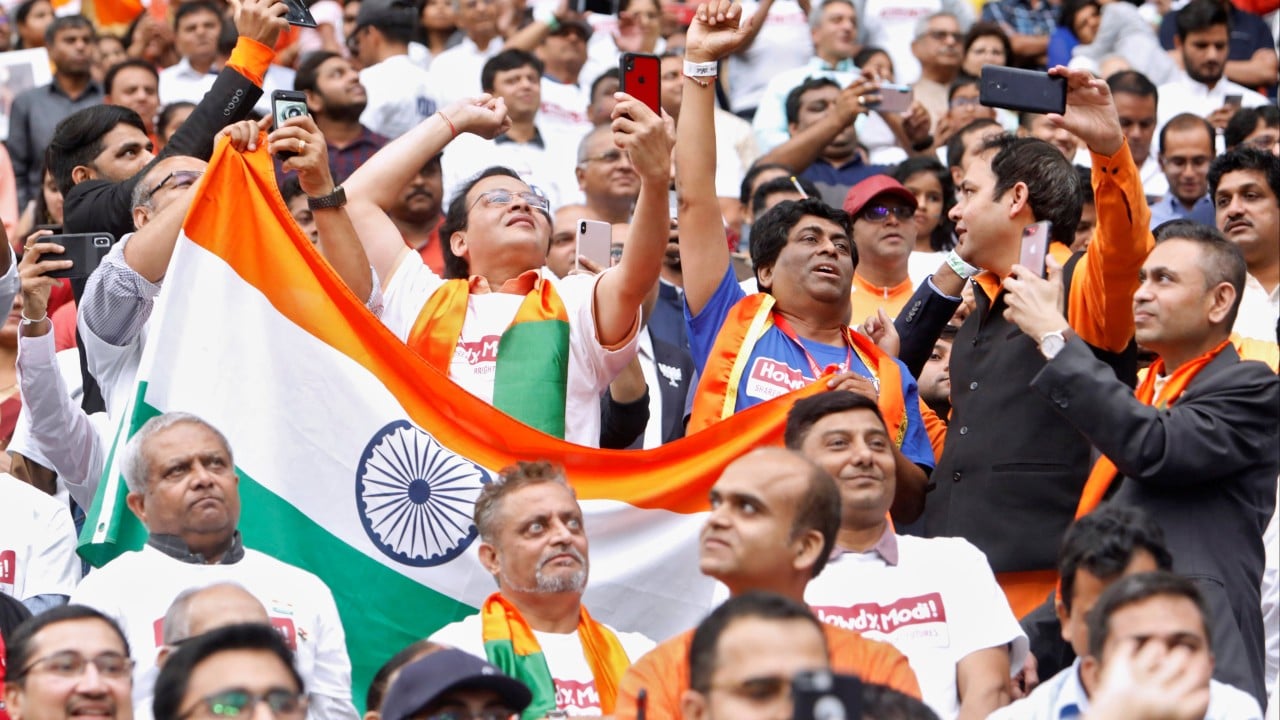
Anti-South Asian hate in the United States has spiked since Donald Trump returned to the Oval Office for a second term, with racist, dehumanising and xenophobic slurs and narratives proliferating across both mainstream and fringe social media platforms, a US-based report has revealed.
The report, titled “The Rising Tide of Anti-South Asian Hate in the United States”, by the Washington-based Centre for the Study of Organised Hate (CSOH), found that the monthly volume of hate towards South Asians in the United States on the social media platform X rose 240 per cent between January 2024 and June 2026, from 12,904 posts to 43,843.
The hate speech is largely aimed at Indians, Bangladeshis and Pakistanis, according to the report, which traces the surge to Trump’s immigration crackdown, economic anxiety and the South Asian community’s growing visibility in American life.
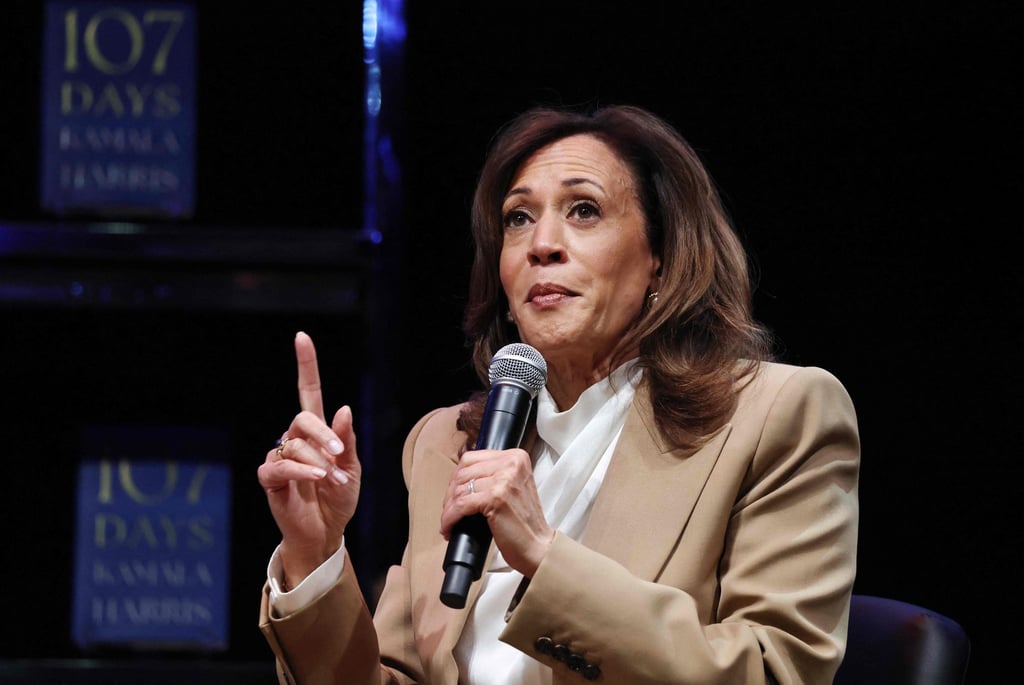
Similarly, South Asian political figures from both major US political parties have faced racist and xenophobic attacks, the report found, including Kamala Harris, former vice-president and Democratic presidential nominee; Usha Vance, current second lady of the US; Kash Patel, director of the Federal Bureau of Investigation; Zohran Mamdani, the first Muslim mayor of New York City; and Democratic representative Raja Krishnamoorthi.
CSOH executive director Raqib Naik said the research, which focused on online sentiment towards South Asian Americans since December 2024, showed a clear and significant rise in targeting of the demographic, particularly Indians, since Trump’s second term.
“The administration is part of the problem. Our report has outlined how incendiary rhetoric from top offices in the country is contributing to anti-South Asian hate, especially the federal government helping to fuel harmful and hateful narratives,” Naik said.
He added that though some states were putting in place measures to mitigate the hate, most members of the South Asian community felt vulnerable as online hate manifested in real life.
The report warned that the enormous scale of online hate showed the wide reach of social media platforms and algorithms that amplified hateful content.
“It also reflects the growing alignment of powerful technology executives and owners like Elon Musk and Mark Zuckerberg with the Maga movement and the rollback of hate speech policies, fact-checking programmes, and other trust and safety measures by platforms,” it said, adding that the transformation of X – formerly Twitter – after its acquisition by Musk led to the “normalisation of a violent and racist discourse” that was previously largely restricted to fringe online spaces.
Naik urged the US government to take the lead, especially in controlling social media platforms, which he said had been weaponised to fuel hate.
Citing the CSOH study, Indian-American congressman Raja Krishnamoorthi accused the Trump administration and the Maga movement of contributing to the rise in hate speech and what he described as systemic racism.
“The 240 per cent surge in monthly anti-South Asian hate on X did not come out of nowhere. We have watched politicians demonise South Asians over something as ordinary as attending a college-football game and the Trump administration traffic in racist stereotypes targeting people named Singh,” said Krishnamoorthi on X in reference to tirades by Texas Republicans against brown people and a racist poster used by the administration.
“Americans of every background, and leaders of both parties, need to speak out against racism and xenophobia wherever they appear. South Asian Americans are as much a part of the fabric of America as anyone else, and no amount of hate can erase the contributions we have made to this country,” Krishnamoorthi said.
According to the report, more than half a million anti-South Asian posts appeared on X between January 2025 and June this year. The volume rose 75 per cent over this period and 240 per cent from January 2024 to June this year. Five of the six highest-volume months occurred between November 2025 and June 2026, showing that anti-South Asian hate continues to intensify.
The report identified 397,522 hateful and dehumanising mentions targeting South Asians across the 4chan, 8chan, and Gab bulletin boards in 2025, with monthly volume remaining at a persistently high baseline for much of the year.
Last month, Indian travel YouTuber Paramvir Singh Beniwal said he was subjected to racist remarks during a recent visit to Las Vegas.
Beniwal, known online as Passenger Paramvir, shared a 57-minute YouTube vlog in which three men approached him and his friend, with one claiming to own 73 7-Eleven stores across the US before offering Beniwal a job as a cashier.
Beniwal said he believed the offer was intended as a racist joke rather than a genuine job offer. He said the exchange was a reference to a stereotype that Indians often worked as cashiers at 7-Eleven stores.
The video has garnered 6.8 million views in eight days, with viewers praising Beniwal for confronting the men over the remarks.
According to the report, six key factors collectively drove the surge in anti-South Asian hate, including posts portraying South Asians as “invaders, job thieves, and a demographic threat” on X.
The report identifies the H-1B visa programme, the American Tech Workforce Act of 2025, and the Visa Cap Enforcement Act as major triggers for anti-South Asian hate, especially against Indians, who in 2024 constituted 71 per cent of H-1B visa workers.
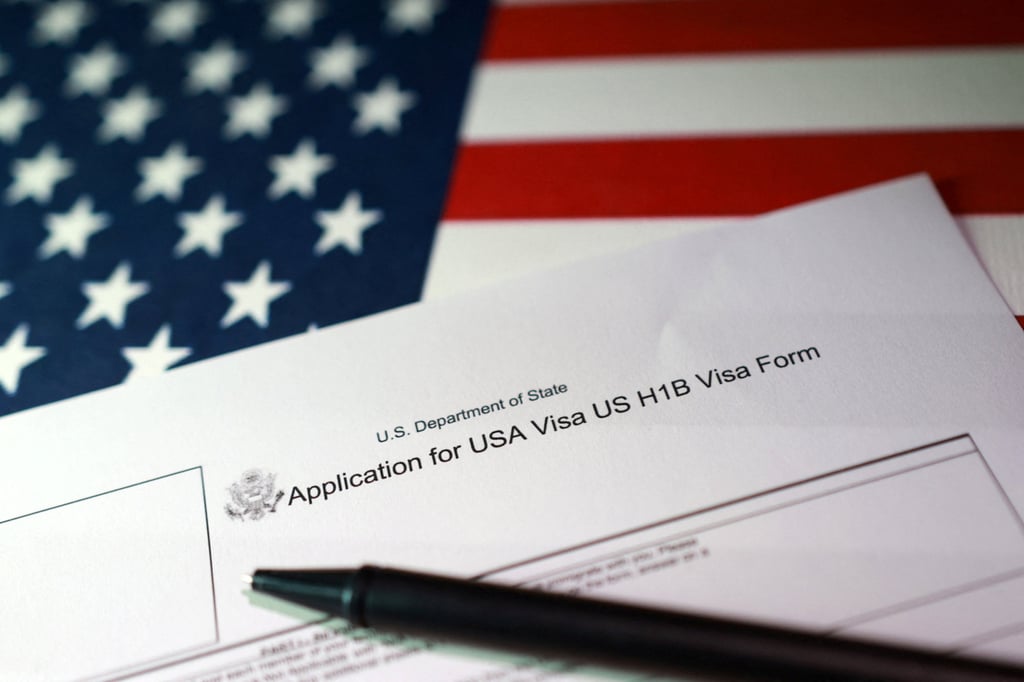
An H-1B visa is a temporary US work permit that allows companies to hire foreign professionals in specialised fields. Indians are the largest beneficiaries of the H-1B programme, accounting for 71 per cent of approved H-1B petitions in the 2024 financial year, according to data from the US Citizenship and Immigration Services.
The Trump administration has curbed new H-1B visas by raising the fee for workers in this category by US$100,000. Of those subject to the higher H-1B fee, 82 per cent were Indian nationals, according to an analysis from the Penn Wharton Budget Model at the University of Pennsylvania.
About 30 per cent of all posts on X and 45 per cent of mentions on fringe platforms with references to South Asians contained the word pajeet and its variants, according to the CSOH report. Pajeet is a slur mocking the sanitation habits of South Asians.
KioskNews shows a cleaned-up reading view extracted from the publisher’s page — the original always lives on their site, not ours.