In 3 weeks, over 77,000 households register for Delhi’s rooftop solar scheme
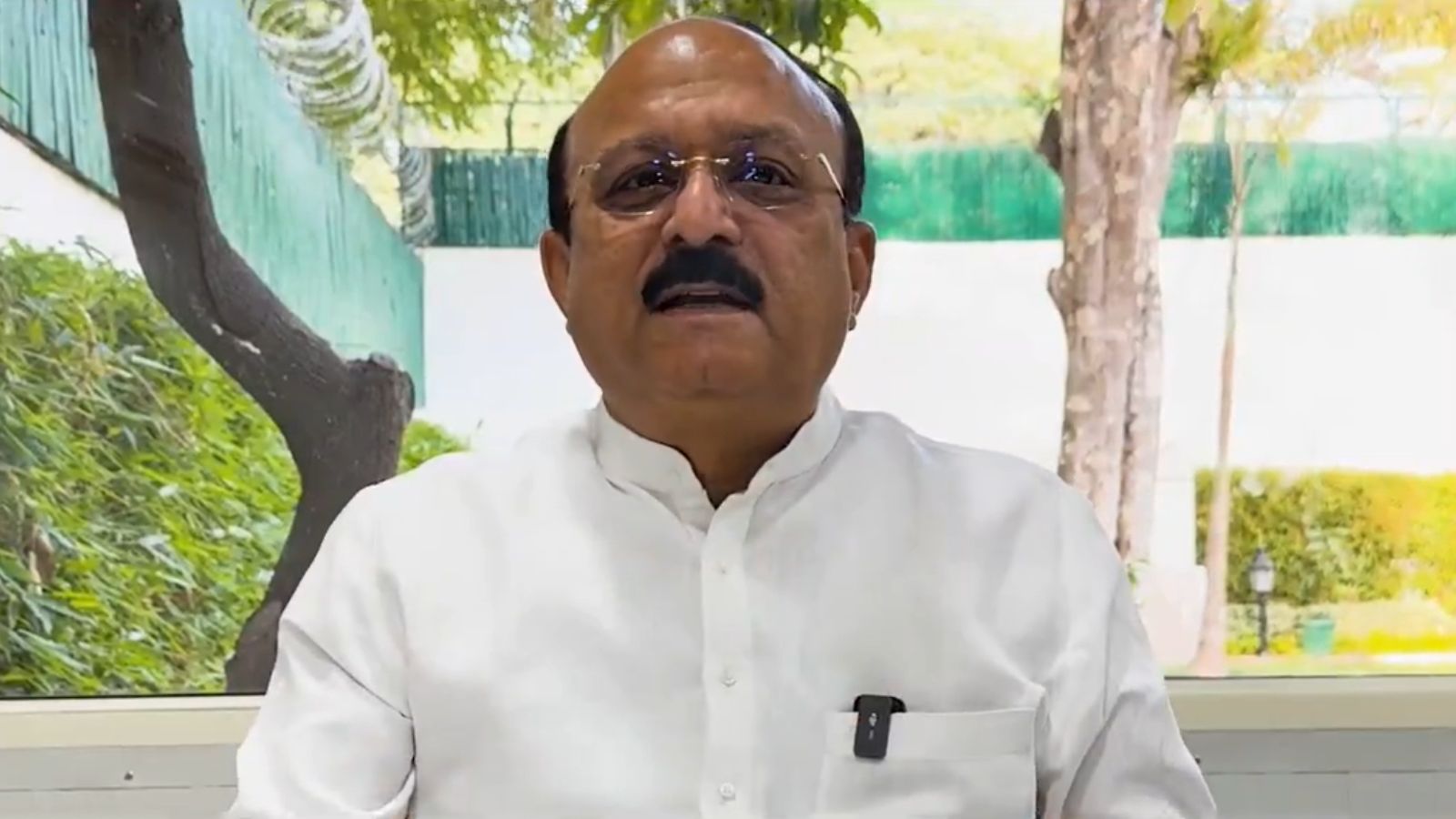
Power Minister Ashish Sood said the response, particularly from rural areas and unauthorised colonies, showed growing interest in rooftop solar installations.
More than 77,000 households have registered for Delhi’s rooftop solar scheme since its launch over three weeks ago, officials said on Wednesday, crossing one-third of the government’s target to install 2.3 lakh solar power units in the city by March 31 next year.
This marks a significant increase in interest in rooftop solar installations in the Capital, which had only witnessed 29,718 solar connections installed by BSES and Tata Power – with a combined capacity of 472 Mwp (Megawatt-peak) – before the scheme was launched.
Since September 21, 77,614 applications have been received on the portal. The highest number of registrations, 27,197, came from areas served by BSES Yamuna Power Limited (BYPL), which covers East and Central Delhi.
Tata Power Delhi Distribution Limited (TPDDL), which serves North and Northwest Delhi, received 26,788 applications, while BSES Rajdhani Power Limited (BRPL), covering South and West Delhi, recorded 23,925 registrations.
Power Minister Ashish Sood said the response, particularly from rural areas and unauthorised colonies, showed growing interest in rooftop solar installations. “This shows the immense trust and enthusiasm of our citizens,” he added.
Officials have attributed the slow adoption of rooftop solar in the past partly to the existing electricity subsidy. Eligible consumers receive free electricity for consumption of up to 200 units a month, reducing the incentive to invest in solar systems. The high initial cost of installation and difficulties in securing agreement among residents of group housing societies have also posed hurdles in the way of adoption of the scheme.
The Delhi Solar Policy offers additional subsidies to reduce the cost of installation. Under the Pradhan Mantri Surya Ghar: Muft Bijli Yojana, the Centre provides a subsidy of up to Rs 78,000 for rooftop solar systems of up to 3 kW. The Delhi government has announced an additional subsidy of up to Rs 78,000, taking the total subsidy to Rs 1.56 lakh for eligible consumers, making the installation almost free of cost.
Story continues below this ad
Further, the government has increased its subsidy for rooftop solar installations serving common facilities in group housing societies from Rs 2,000 to Rs 11,000 per kW, up to a capacity of 500 kW. Eligible installations can also receive central assistance of Rs 18,000 per kW.
Consumers can also save on electricity bills and sell surplus power to distribution companies, subject to applicable rules.
Delhi had around 73 lakh electricity consumers in 2024-25, of whom around 61 lakh were domestic consumers. Nearly 48 lakh households received electricity subsidies, either through free power for consumption of up to 200 units a month or a 50% subsidy for consumption between 201 and 400 units.
© The Indian Express Pvt Ltd

Devansh Mittal is a Correspondent at The Indian Express, based in the New Delhi City bureau. He reports on urban policy, civic governance, and infrastructure in the National Capital Region, with a growing focus on housing, land policy, transport, and the disruption economy and its social implications. Professional Background Education: He studied Political Science at Ashoka University. Core Beats: His reporting focuses on policy and governance in the National Capital Region, one of the largest urban agglomerations in the world. He covers housing and land policy, municipal governance, urban transport, and the interface between infrastructure, regulation, and everyday life in the city. Recent Notable Work His recent reporting includes in-depth examinations of urban policy and its on-ground consequences: An investigation into subvention-linked home loans that documented how homebuyers were drawn into under-construction projects through a “builder–bank” nexus, often leaving them financially exposed when delivery stalled. A detailed report on why Delhi’s land-pooling policy has remained stalled since 2007, tracing how fragmented land ownership, policy design flaws, and mistrust among stakeholders have kept one of the capital’s flagship urban reforms in limbo. A reported piece examining the collapse of an electric mobility startup and what it meant for women drivers dependent on the platform for livelihoods. Reporting Approach Devansh’s work combines on-ground reporting with analysis of government data, court records, and academic research. He regularly reports from neighbourhoods, government offices, and courtrooms to explain how decisions on housing, transport, and the disruption economy shape everyday life in the city. Contact X (Twitter): @devanshmittal_ Email: devansh.mittal@expressindia.com ... Read More
Stay updated with the latest - Click here to follow us on Instagram
KioskNews shows a cleaned-up reading view extracted from the publisher’s page — the original always lives on their site, not ours.