TUC leader expects wave of union recognition in private sector over coming year

The TUC general secretary, Paul Nowak, is predicting a wave of union recognition deals in the private sector over the next year as “transformative” rules on accessing workplaces come into force.
From Friday, as part of Labour’s Employment Rights Act, unions will have the right to enter workplaces or communicate with staff electronically. From January, employers will be obliged to inform workers of their right to join a union.
“I think it potentially could be transformative,” Nowak said. “This could open up large parts of … the private sector, where unions have been trying to get a foothold but have been hampered partly because of the legal framework. It gives us a real opportunity.”
He added: “My prediction would be that by this time next year, we’ll have signed hundreds, if not thousands of new recognition agreements with employers, taking that union voice into the private sector in particular.”
Polling carried out for the TUC by YouGov suggests 62% of workers would support a trade union negotiating on their behalf on pay and conditions, but 36% of those who are not members of a union say they would not know how to join one.
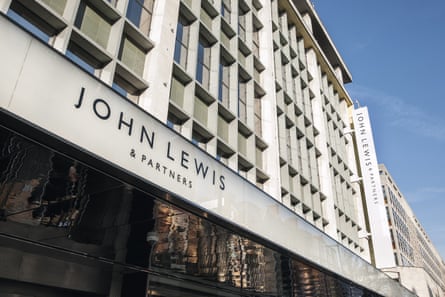
Nowak pointed to a flurry of recent deals, citing agreements between John Lewis and Usdaw and between the GMB and the Maritime and Coastguard Agency as evidence that some employers are responding even before the rules have come into force.
“What we’re seeing is a whole range of employers, who have recognised that the legislation is changing, that the political climate is changed and are now reaching voluntary agreements with unions,” he said.
Just over a fifth of the UK’s workforce are trade union members, down from more than half in 1979, before Margaret Thatcher came to power.
Under the new rules, there will be a formal process to request access to a workplace if a union cannot agree with the employer, which will be overseen by the regulator, the Central Arbitration Committee.
Previously, unions trying to win the right to represent a workforce have sometimes had to do so from outside the building – as was the case with the GMB’s thwarted effort to win recognition at Amazon’s warehouse near Coventry two years ago.
Nowak said Labour’s new approach “changes the mood, and I think it brings us much more into the European mainstream, which is that unions are part and parcel of the workplace”.
The access rights are the latest element of the government’s upgrade to workers’ rights to be implemented. Rights to sick pay have already been extended and further changes, including restrictions on zero hours contracts, are yet to come into force.
Some employers have complained about the potential costs of the new regime, but Nowak insisted good bosses need not worry.
“Genuinely, employers have got nothing to fear from this. They shouldn’t see their staff wanting an independent voice as somehow a negative verdict on them. You can work for a good, successful organisation and still want a strong, independent union voice.”
KioskNews shows a cleaned-up reading view extracted from the publisher’s page — the original always lives on their site, not ours.