You can build your own mechanical keyboard, but is it worth the price?
Wachiwit/Getty Images
Fair warning: once you've been bitten by the mechanical keyboard bug, it's hard to shake it. The good news is that there are more options than ever for mechanical keyboard enthusiasts looking for that perfect click, but that also means it can be harder than ever to know where to start. It's even possible these days to build your own keyboard, but before you start placing orders for keycaps and switches, you should consider if a custom keyboard is worth the cost to you.
The first thing to think about is your budget. Good mechanical keyboards don't come cheap and you'll almost always spend more building your own than buying a pre-built one. It's possible to get a decent mechanical keyboard for around $50 (though you should expect to spend $100 or more), and it's not uncommon to pay that much for the case alone in a custom build.
The cost of custom keyboards
On top of the monetary cost, you'll spend a lot more time making your own keyboard from scratch than simply buying one. Obviously putting all the pieces together will take a bit, but you'll almost certainly spend even longer on research. On top of the obvious decisions like case size and switch type, there's a lot to learn about how keyboards actually fit together and what tools you need to do the job. For some hobbyists, the complexity of building a keyboard is part of the appeal, but if you're more interested in the end product than the process, it might feel a little overwhelming.
The upside of all those decisions is that you'll be able to make a keyboard to your exact specifications. There's no shortage of pre-built keyboards on the market, but if you have something particularly unorthodox in mind, building your own might be the only way to get what you want. You'll spend a lot of time using your keyboard, so spending the extra time and money to get one that looks and sounds exactly how you want can be worth it. The switch that connects the keys to the circuit board determines how typing will feel and sound, and if you fall in love with a rare switch type that's not common in pre-built models, a custom keyboard may be your only option.
DIY keyboards can be more beginner-friendly than you might think
Dikushin Dmitry/Shutterstock
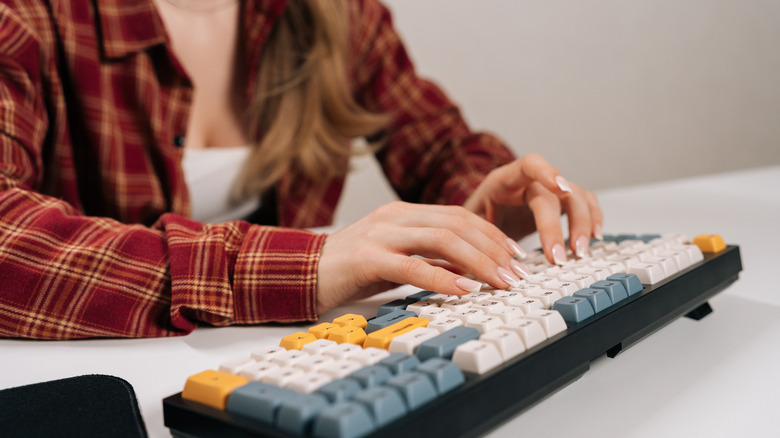
Getting into custom keyboards doesn't have to mean starting from scratch, though. If building a keyboard sounds like fun but you don't want to do everything yourself, you can opt for a DIY kit. These kits come with cases with essential components like circuit boards, switch mounts and sound dampeners already installed. That means you can still choose the switches and keycaps you prefer and spend a lot less time on the keyboard's structural elements. The downside here is that building from a kit can be even just as expensive as building the whole keyboard yourself or even more, depending on which kit you choose.
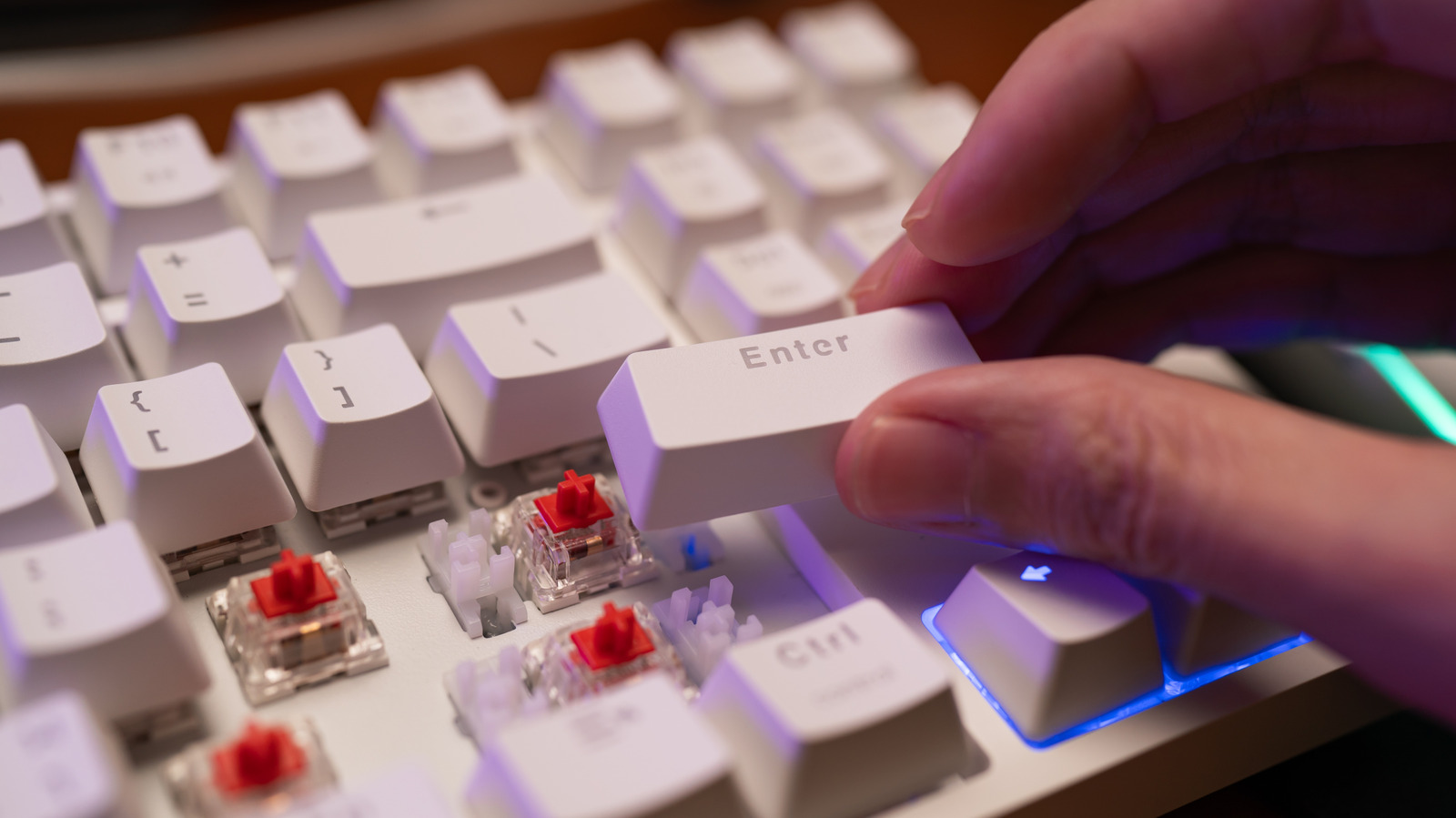
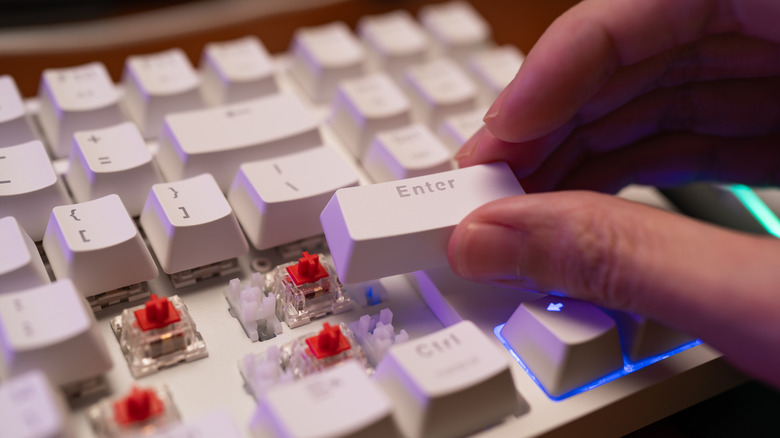
If you want the ease of a pre-built keyboard but want to leave room for customization later, opting for a hot-swappable keyboard might be the perfect solution. Unlike traditional mechanical keyboards, which come with switches soldered to the circuit board, hot-swappable keyboards let you pull out the switches and replace them with new ones. Installing new switches is generally the most impactful change you can make to your keyboard anyway, so a hot-swappable keyboard can give you a taste of customization without needing to commit to a full build. The best part is that hot-swappable keyboards don't come much cheaper than custom parts and kits, so they can still be attainable entry-level options.
KioskNews shows a cleaned-up reading view extracted from the publisher’s page — the original always lives on their site, not ours.