Broadening perspectives through interdisciplinary learning
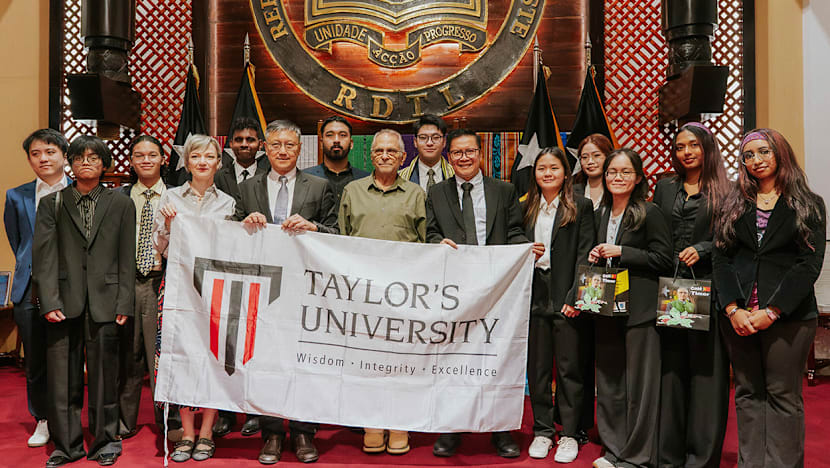
Taylor’s University students combine philosophy, politics and economics with first-hand exposure to diplomacy, development and the realities behind policy decisions.
New: You can now listen to articles.

This audio is generated by an AI tool.

02 Nov 2026 05:44PM
Before the study trip in August, Timor-Leste was largely a place 19-year-old Seth Andrei Llarenas Cadongonan knew through the media and his studies. Then, he spent five days there, meeting locals whose lives and work brought the country’s realities into sharper focus.
“It is one thing to hear about Timor-Leste in a lecture or through an article, and it is another thing to be in the country itself, breathing its air and talking to its people,” said Mr Cadongonan, a first-year student from the Philippines.
He was among a group of Taylor’s University students on the trip. They met government officials and diplomats, attended sessions on development and regional affairs, and spoke to residents – experiences that made questions of governance, diplomacy and economic progress more immediate.
That combination of academic study and direct exposure is central to Taylor’s University’s Bachelor in Philosophy, Politics and Economics (Honours), or PPE programme. Bringing together philosophical reasoning, political understanding and economic analysis, the programme draws on international PPE practices while incorporating ASEAN perspectives, connecting global ideas with regional issues.
01:22 Min
SHARPER THINKING, BROADER UNDERSTANDING
For second-year student and scholarship recipient Dalwyn Chow Yan Wei, 21, examining an issue through different disciplines has encouraged him to question assumptions and weigh competing considerations before reaching a view.
Take poverty and inequality. Economics may focus on how resources can be allocated sustainably. Politics raises questions about what is practical, whose interests are represented and what people will support. Philosophy, meanwhile, asks whether an outcome is fair in the first place.
“An issue can be economically sensible but politically impossible, politically popular but ethically questionable, or morally desirable but difficult to implement,” said Mr Chow.
Studying the three subjects together has made him “much more cautious about simple answers” and more conscious of the trade-offs behind decisions.
Before PPE, he said, he tended to have a more fixed view of why things happened. Now, he is more inclined to question his assumptions and consider the different factors and viewpoints that can shape an issue.
LEARNING FROM DECISION MAKERS
The Timor-Leste study trip gave students an opportunity to put that approach into practice.
During the visit, students attended the Science for Development Summit 2026, where speakers included Nobel laureates Professor James A Robinson, who won the prize in economic sciences, and Mr Kailash Satyarthi, a Nobel Peace Prize recipient. They also had a separate engagement with Prof Robinson and met Malaysia’s Ambassador to Timor-Leste Fairuz Adli Mohd Rozali to discuss diplomacy and Malaysia-Timor-Leste relations.
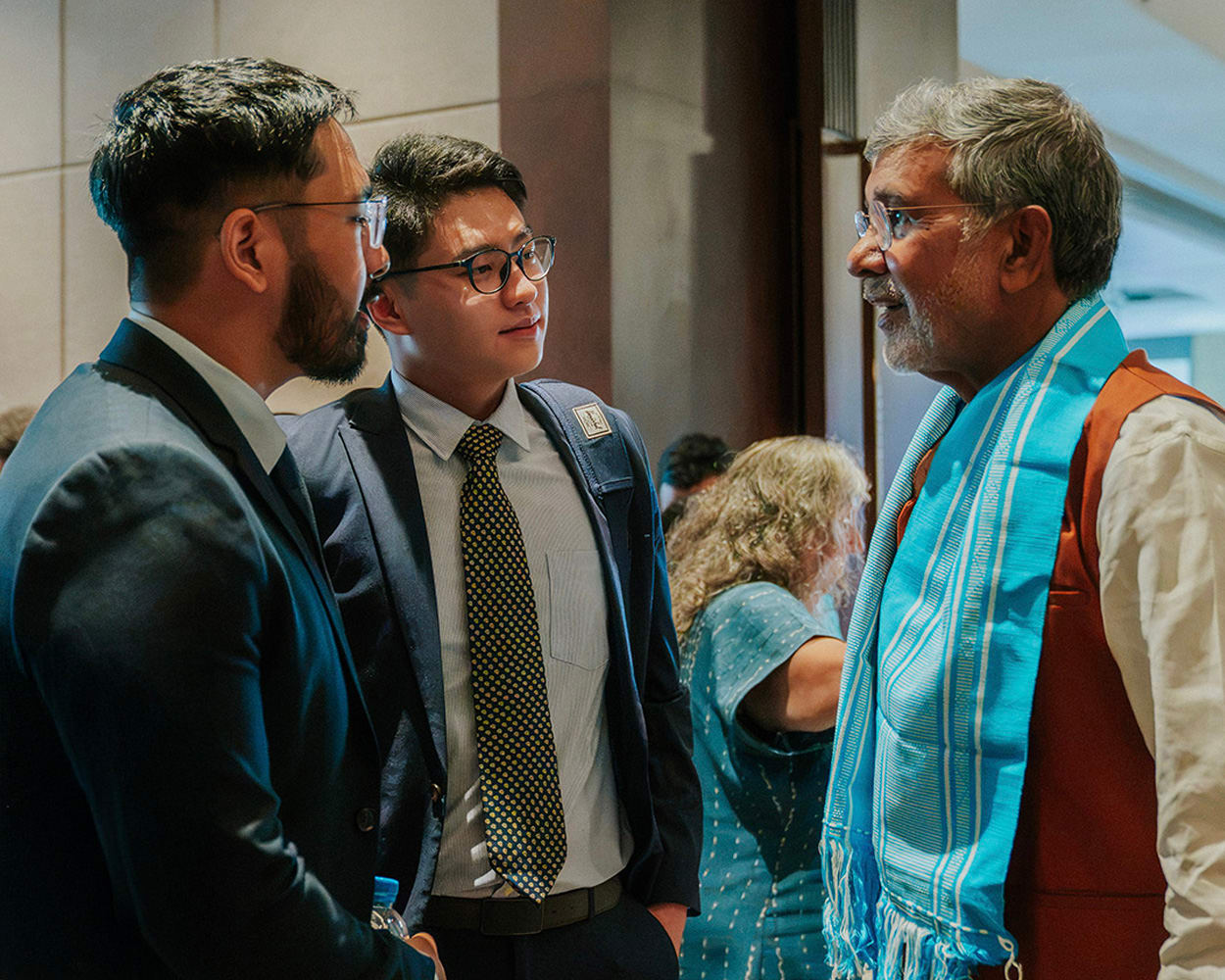
Students also had opportunities to engage with Timor-Leste President Jose Ramos-Horta, a Nobel Peace Prize laureate and Honorary Adjunct Professor at Taylor’s University. He has visited Taylor’s Lakeside Campus in Subang Jaya, Malaysia, several times for dialogue sessions on leadership, diplomacy, regional affairs and global issues.
For Ms Olivia Pearl, 19, such interactions happened within her first semester. She was one of three student panellists for the A Changing World, Enduring Values dialogue at Taylor’s, where she met President Ramos-Horta weeks before speaking to him again during the study trip. These engagements have helped her build confidence and strengthen her communication skills.
Yet some of the trip’s more insightful exchanges happened away from prominent names and formal sessions.
WHEN POLICY MEETS EVERYDAY LIFE
Ms Pearl discussed the challenges facing young people in Timor-Leste with local student activist Alexandra Toby, who is involved in youth advocacy.
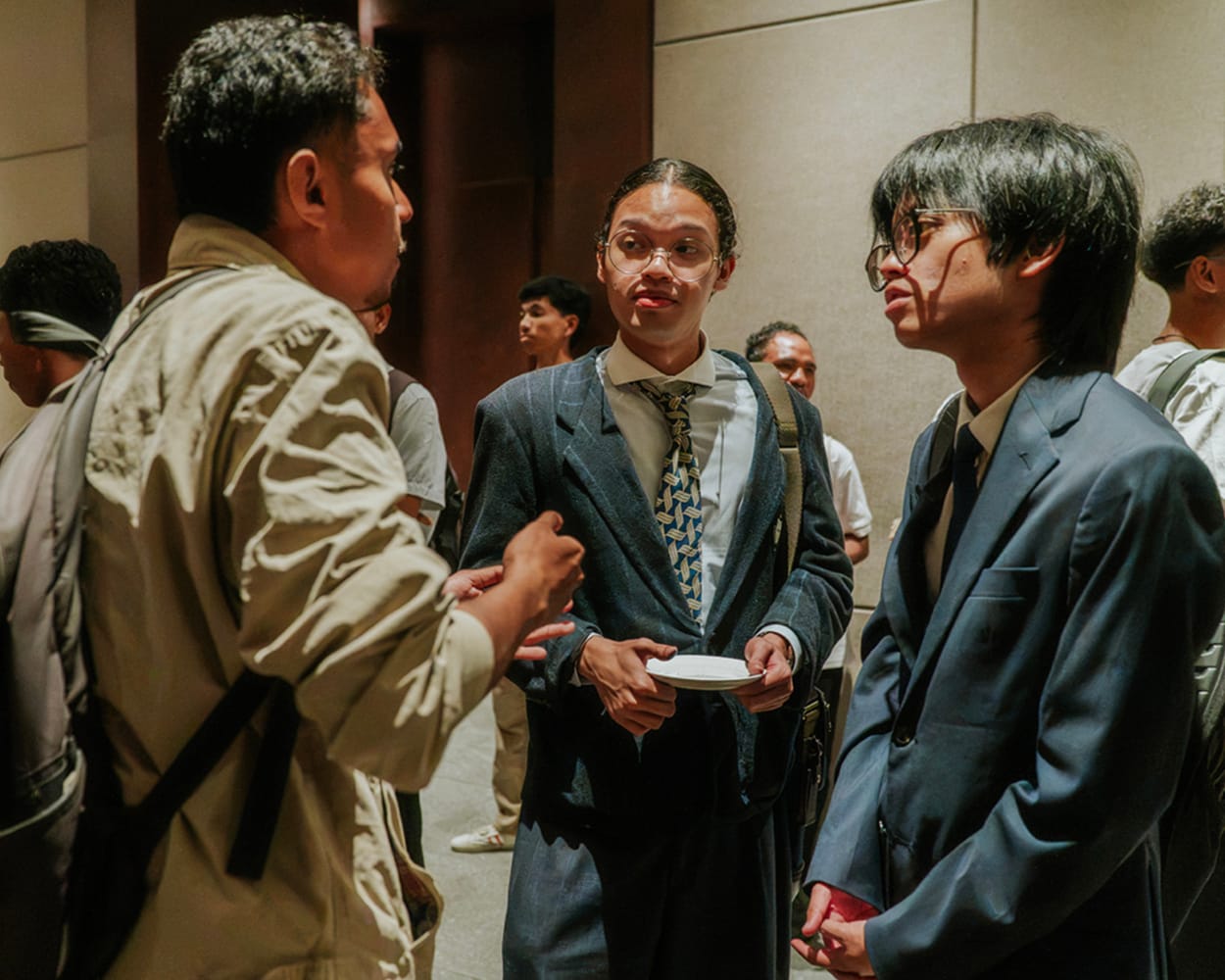
Mr Cadongonan, meanwhile, talked to presidential staff, students, shopkeepers and workers at a coffee plantation. Their conversations touched on climate change, unemployment and efforts to diversify the economy.
“What we learn in a classroom is often coloured by the fact that we are receiving this from formal sources,” said Mr Cadongonan. Those first-hand accounts gave him a clearer sense of how Timorese people viewed their country’s future.
The experience has also begun to shape the students’ plans. Mr Cadongonan, who entered PPE primarily interested in philosophy, returned with a new interest in diplomacy after seeing how diplomats navigate national and regional issues. Ms Pearl hopes to contribute to social causes in Malaysia, particularly those involving women, children, animals and refugees.
Mr Chow is interested in sustainable urban planning in Malaysia, particularly in the Klang Valley. His ambitions are grounded in everyday concerns, from incomplete pedestrian infrastructure and gaps in public transport to flood prevention.
The students may have different ambitions, but their experiences illustrate how an interdisciplinary education can open up different paths. PPE graduates can pursue roles in consulting, finance, research, think tanks, public affairs, non-governmental organisations and public service – fields where understanding an issue often requires more than one perspective.
The next intake for Taylor’s University’s Bachelor in Philosophy, Politics and Economics (Honours) begins in February 2027. The PPE Exclusive Scholarship offers up to 100 per cent coverage of tuition fees.
KioskNews shows a cleaned-up reading view extracted from the publisher’s page — the original always lives on their site, not ours.