Tanker carrying 27 Indians struck by limpet mines in Strait of Hormuz; minister says all seafarers safe
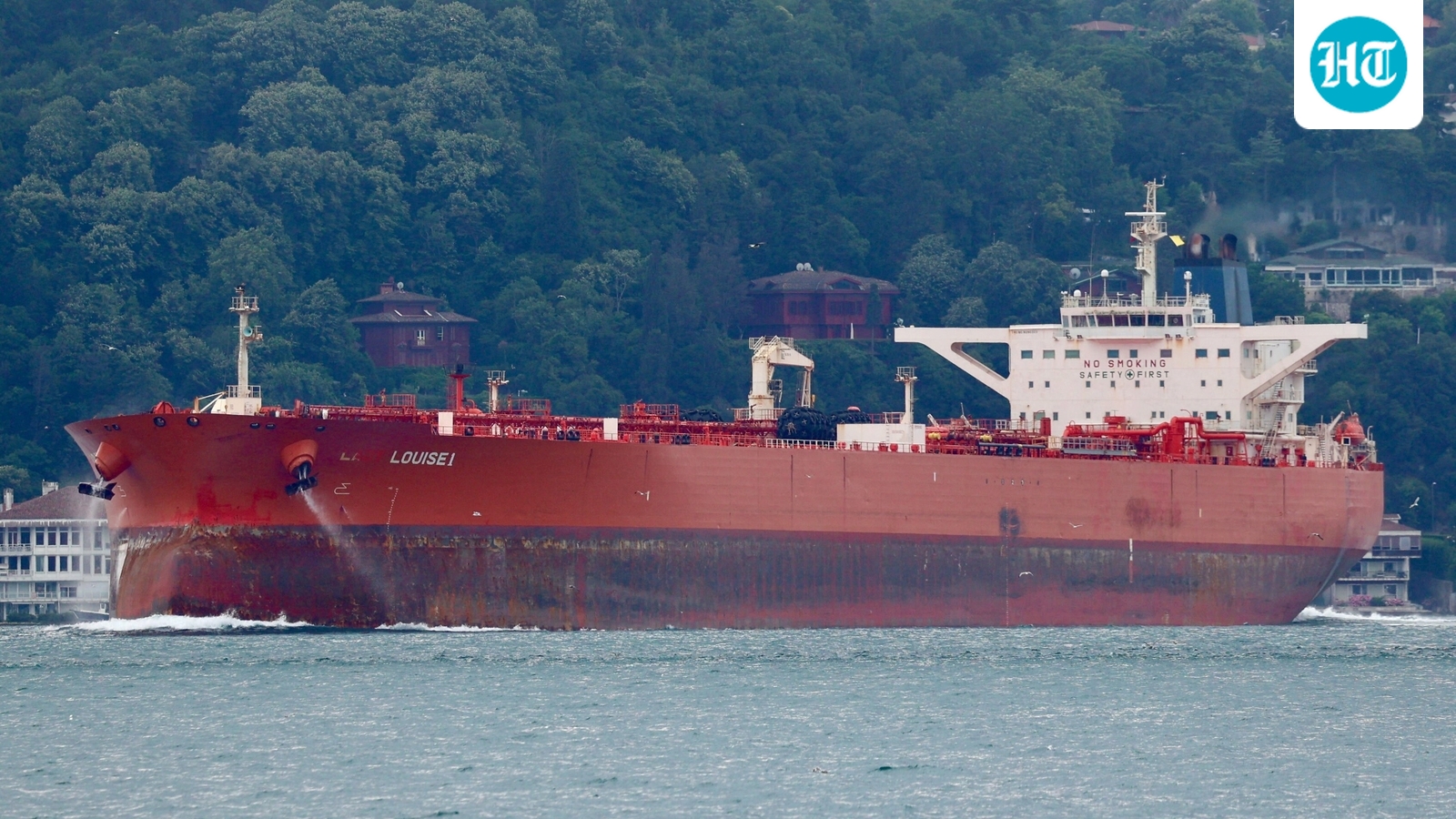
A Panama-flagged tanker carrying 27 Indian seafarers was reportedly targeted with limpet mines in the Strait of Hormuz, causing a fire on the vessel. All Indian seafarers aboard the crude oil tanker – MT Louise 1 – were “completely safe with no injuries”, Union shipping minister Sarbananda Sonowal said in a post on X.
The incident took place on Thursday, 25 nautical miles (46 km) northeast of Oman's Khasab, British navy agency United Kingdom Maritime Trade Operations said. It was not immediately clear who was behind the attack.
However, Iran's Revolutionary Guards Navy said on Friday that four oil tankers had caught fire and exploded in the Strait of Hormuz while attempting to use what it said were unauthorised routes, news agency Reuters reported. The IRGC said that one of the tankers, carrying 2 million barrels of crude oil, had hit a naval mine.
Also Read | Iran says multiple oil tankers strike mines, catch fire in Strait of Hormuz
This came amid repeated attacks on commercial shipping in and around the Strait of Hormuz, one of the key waterways for energy trade before the conflict in West Asia. The conflict began with US-Israeli strikes on Iran in February earlier this year.
Tehran retaliated with attacks on US interests and bases in Gulf countries, and effectively blocked navigation in the Strait of Hormuz. Iran has since hit vessels it says have violated its restrictions on passage through the waterway, which it seeks to control to exert pressure on Washington. The US Central Command has also struck and disabled Iranian and Iran-linked tankers in the waterway, following the American naval blockade on Tehran.
In his post on the MT Louise 1, Sonowal said a Liberia-flagged tanker carrying two Indian nationals was also hit by a projectile attack. He said these two Indians aboard VLCC MT Arzanah were also reported to be safe.
Limpet mines attached to hull of tanker; first use of such explosives in Hormuz
A small boat attached two limpet mines to the hull of the Panama-flagged tanker, according to three maritime sources cited by Reuters, which caused a fire and temporarily disabled the vessel.
This was the first reported successful use of such explosives in the waterway since the US-Iran conflict began, Reuters reported. It came after a separate attempt in September to use such devices, which did not detonate, two of the maritime sources cited by Reuters said.
The Louise 1 was also hit in July with naval drones in the Black Sea by Ukrainian forces. Ukraine's SBU security service cited its alleged role in transporting Russian oil and being part of what it calls a shadow-fleet of tankers deployed by Moscow to keep oil exports flowing as the reason for the attack, according to the Reuters report.
Also Read | India says 22 nationals killed in West Asia conflict since February, 14 were seafarers
What are limpet mines? Why are they being used now?
Limpet mines are specialized naval explosives that are attached directly to the hull of a ship, typically using powerful built-in magnets or clamps. They were pioneered by the British special forces for sabotage missions during World War II.
Greece-based maritime risk management group Marisks said in a note Friday that these were first deployed in West Asia in 2017 and used against tankers in Hormuz subsequently. Their use is primarily because “they are cheap and easily available”, the group said.
“The methodology of a small craft attaching these mines on the hulls of vessels in transit is cheap, low tech and very efficient,” Marisks added.
KioskNews shows a cleaned-up reading view extracted from the publisher’s page — the original always lives on their site, not ours.