IMF head urges US and rich nations to rein in deficits as global debt soars
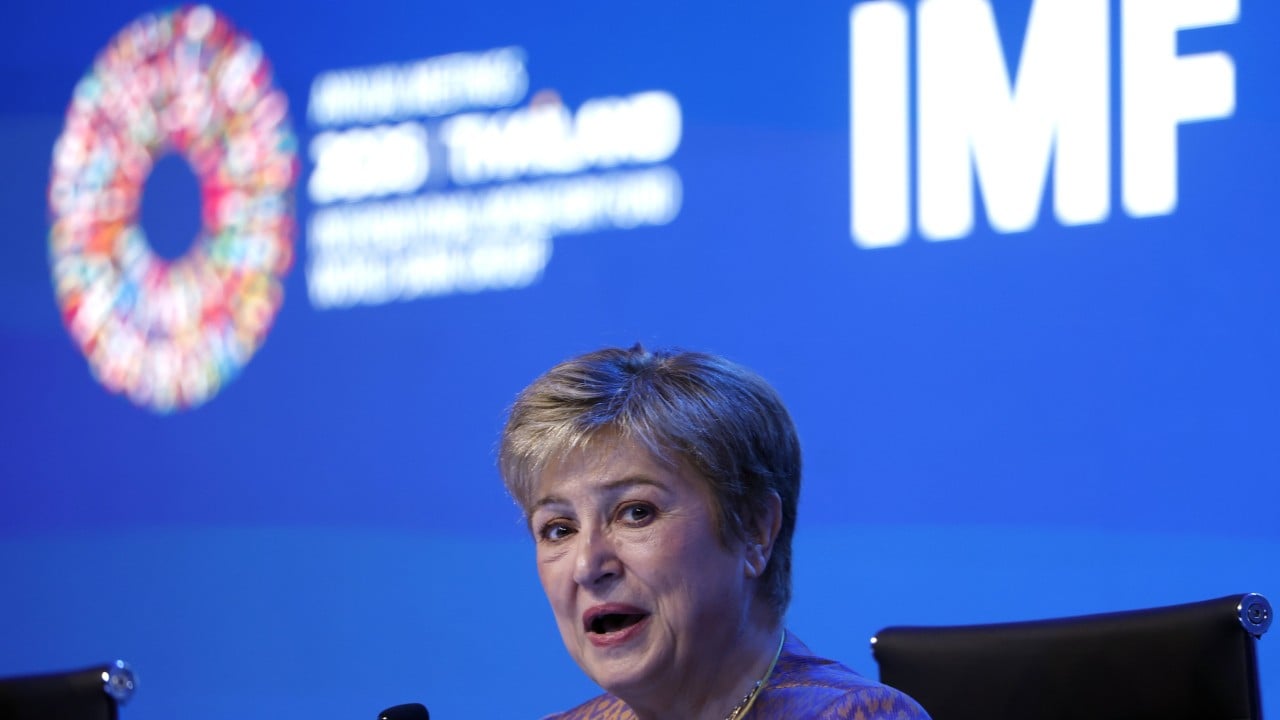
The head of the International Monetary Fund said on Wednesday that the US and other wealthy nations needed to urgently tackle mounting global debt levels that were weighing heaviest on low-income countries and straining the global financial system.
IMF Managing Director Kristalina Georgieva said that while US Treasury Secretary Scott Bessent and other US leaders recognised that the federal deficit and national debt had grown too high, just trying to grow the US economy out of its more than US$40 trillion in national debt would not suffice.
“At the fund, we believe that, growth, of course, helps, but it cannot deliver fast enough the necessary adjustments,” Georgieva said at the autumn meeting of the IMF and World Bank in Bangkok.
“There is no magic,” she said, noting some other measures would be needed. “You have to go in a direction of tightening that, bringing it down, bringing the deficit down.”
Rising debt levels and global inflation, partly resulting from high energy costs due to the Iran war, have pushed interest rates to multidecade highs, adding to the burdens of the world’s poorest nations.
Efforts to bring debt under control with what Georgieva and other experts call “fiscal consolidation” have suffered setbacks from heavy spending during the Covid-19 pandemic and since.
“Fiscal risks are rising, and a proper reaction is largely absent in many countries,” said Rodrigo Valdes, director of the IMF’s Fiscal Affairs Department. “And in major advanced economies, the effect of fiscal indiscipline does not stop at the border. It travels to the rest of the world.”
“Among the world’s poorest countries, interest payments have reached historic highs relative to revenue, and declining amounts of aid are creating gaps that some countries have been unable to finance,” the IMF’s latest Fiscal Monitor said.
That is forcing countries to make hard choices between supporting their most vulnerable people and meeting their debt repayment obligations.
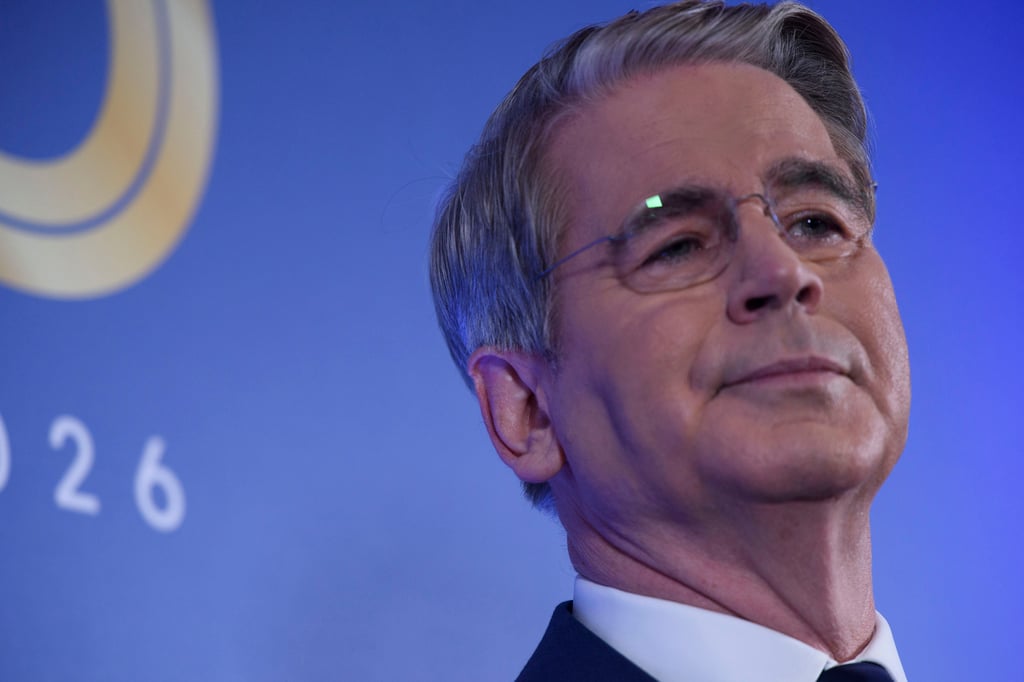
“We know that today the median developing country is going to pay, is actually today paying three times more on their interest repayments than developed countries,” Alexander De Croo, former Belgian prime minister and the administrator of the United Nations Development Programme (UNDP), said in an interview.
On average nearly 10 per cent of government spending is going to repay debt, and the combination of high prices for fuel, fertiliser and other needs, the impact of the El Nino weather phenomenon and higher borrowing costs has left many low-income countries with little opportunity to recover.
“I mean, we don’t see really a light at the end of the tunnel,” De Croo said.
Generating jobs, especially at a time when increasing use of artificial intelligence threatens to make many traditional occupations obsolete, is another top priority. More than 1.2 billion young people are expected to enter the global workforce in the next decade or so, while forecasts suggest a net creation of only 400 million new jobs.
The UNDP announced this week a “Jobs for Prosperity” initiative that will work with governments, development banks such as the World Bank and private businesses to encourage investment in key job creating areas such as tourism, healthcare and food processing.
The initiative and other efforts would focus on helping countries attract investment by improving their governance and policies, while creating pipelines of “investible projects”, De Croo said.
“These are things that are feasible. It’s been proven that you can do it in many places of the world.”
KioskNews shows a cleaned-up reading view extracted from the publisher’s page — the original always lives on their site, not ours.